At Schiaparelli, jewelry has never been a supporting act. It is the provocation, the punctuation mark, the thing you remember long after the dress fades from view. This season, under Daniel Roseberry, the maison’s jewels did something even sharper. They walked straight into cultural history, lifted a moment of collective obsession, and turned it into couture’s most mischievous flex.
The starting point was unexpected, even by Schiaparelli standards. Last autumn’s theft at the Louvre Museum became headline news, the kind of story that ricochets between news alerts and dinner table gossip. For Roseberry, it sparked a question rather than a reaction. What happens when a crime against heritage becomes a catalyst for creation? His answer arrived at the Schiaparelli couture show in the form of jewelry that felt audacious, intelligent, and knowingly theatrical.
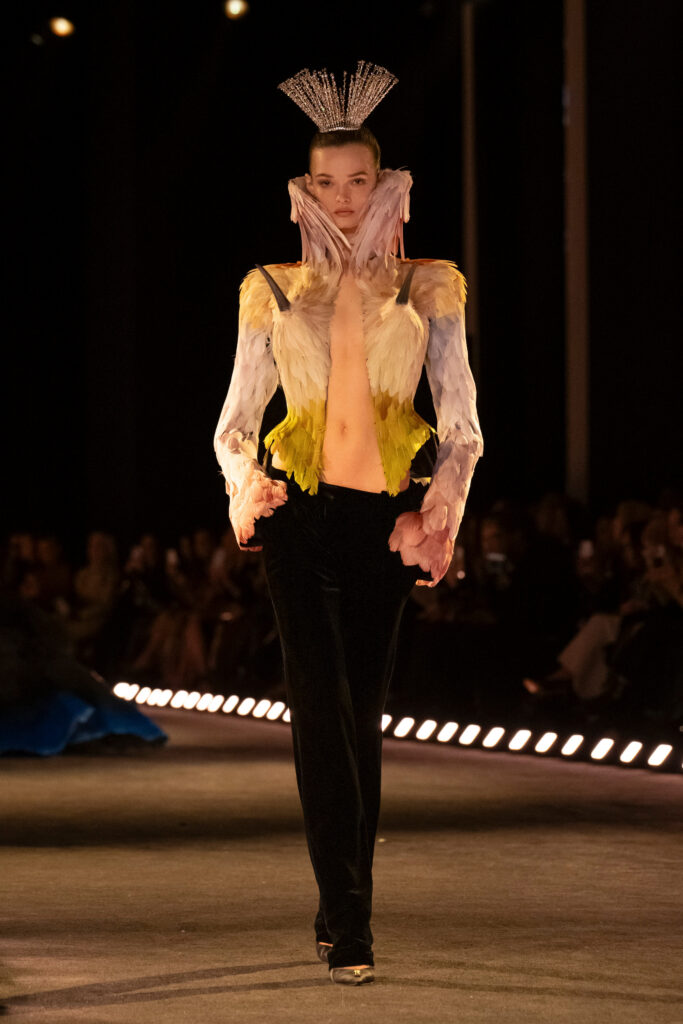
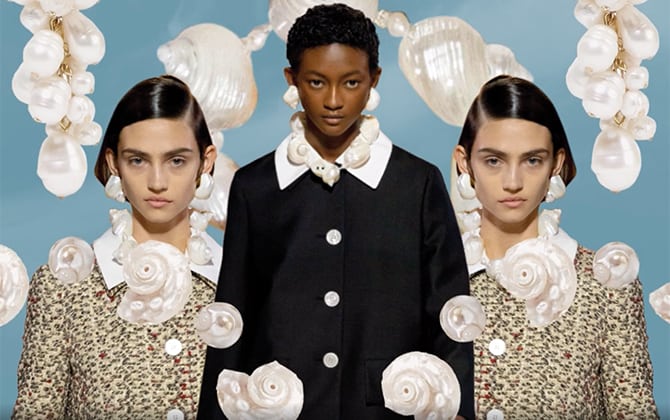
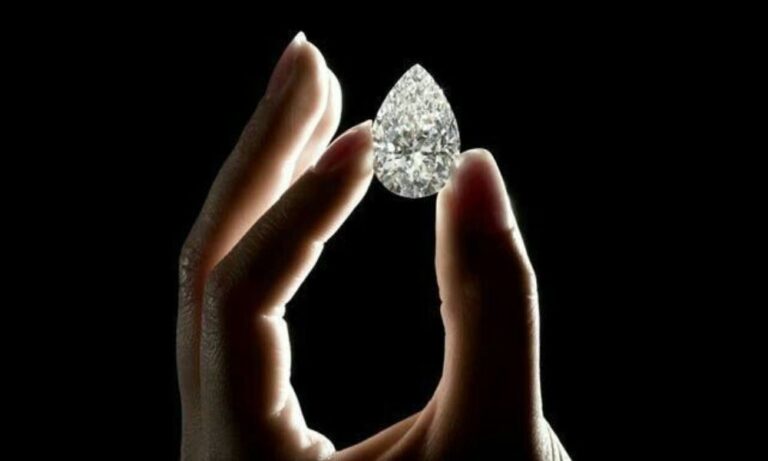
Rather than literal replicas, the jewels were reimagined through Schiaparelli’s surrealist lens. Think historic forms pushed into high relief. Scale exaggerated. Volume dialed up. Pearl clusters and diamond settings took on sculptural depth, refusing to sit politely against the body. Vintage Schiaparelli references from the 1930s through the 1950s reappeared, reworked with sharper edges and a heavier presence.
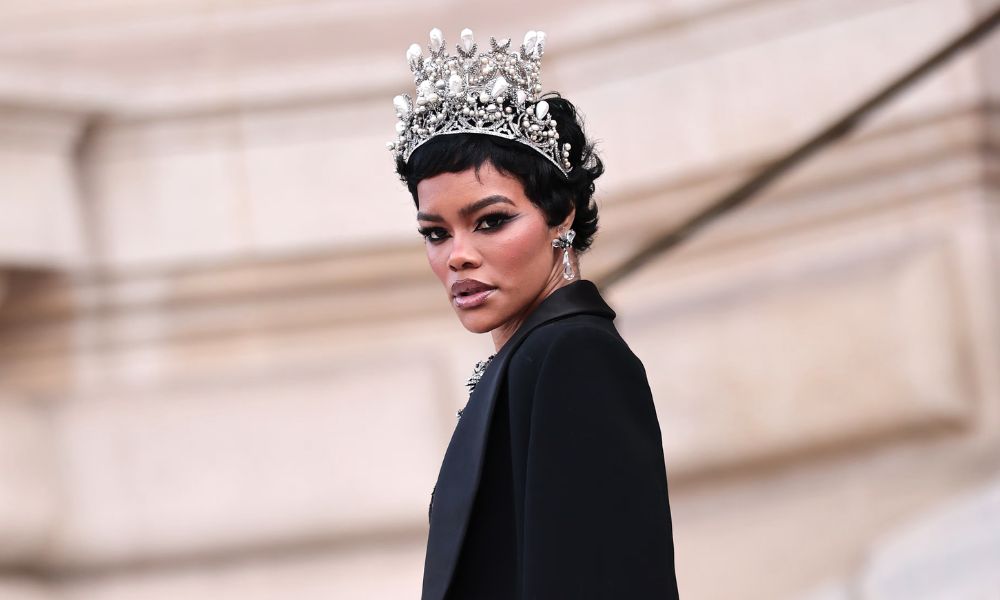
One of the most striking moments came via a reinterpretation of Empress Eugénie’s iconic tiara. In Roseberry’s hands, it became less a relic and more a statement of intent. The familiar silhouette was there, but transformed, made bolder and more dimensional, as though history itself had been pulled forward into the present tense. This was not nostalgia. It was revision.
That instinct runs deep at Schiaparelli. Elsa Schiaparelli understood jewelry as symbolism, as coded language. Roseberry builds on that legacy with an almost journalistic sharpness. His jewels speak to power, spectacle, and the fine line between reverence and irreverence. By referencing stolen treasures, he wasn’t diminishing their value. He was reframing it, reminding us that luxury has always been tied to desire, mythology, and risk.
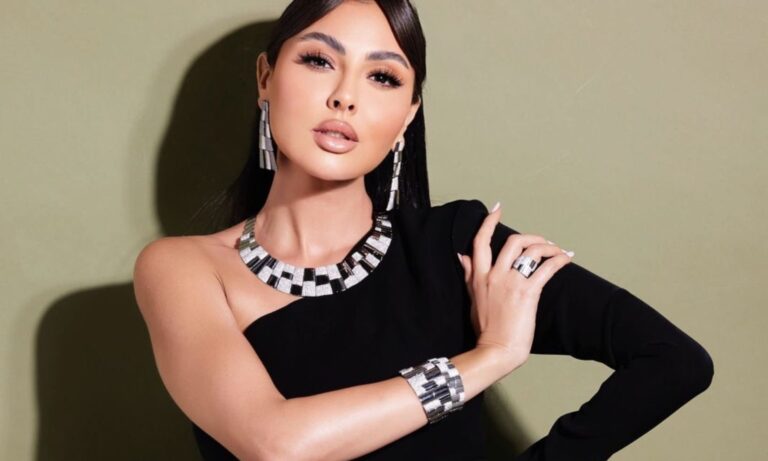
The craftsmanship, of course, does the heavy lifting. These are pieces that rely on the kind of technical mastery couture still does better than anyone else. Metals are engineered to hold improbable shapes. Settings are constructed to catch light from every angle. Weight is carefully calibrated so drama never tips into discomfort. This is jewelry designed to move, to be worn, not entombed in vitrines.
The cultural impact was immediate. When Teyana Taylor arrived wearing the “heist” jewels, the message was clear. These pieces were not museum exercises or atelier indulgences. They were meant to live in the public eye, to circulate, to spark conversation. In an era where virality often feels manufactured, this felt organic, even inevitable.
What makes this collection land is its timing. Couture is currently caught between extremes: minimalism on one side, costume on the other. Roseberry’s jewels refuse both camps. They are lavish but controlled, expressive without slipping into parody. They feel confident in their excess, which is arguably the hardest balance to strike.
What Roseberry has done, once again, is remind us why couture still matters. Not as fantasy alone. But as a space where technique, culture, and commentary collide. By turning a moment of cultural disruption into high jewelry, he proved that couture can respond to the real world without chasing it.
At Schiaparelli, jewels are never just decorative. This season, they were defiant, clever, and unmistakably alive. And in Paris, during couture week, they stole the show.