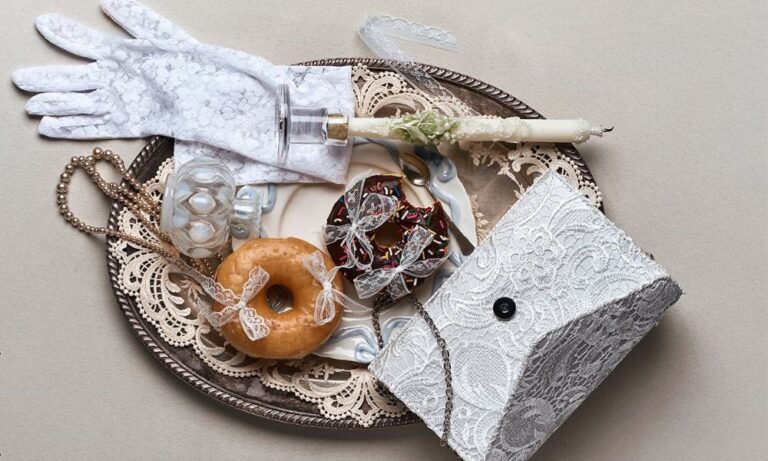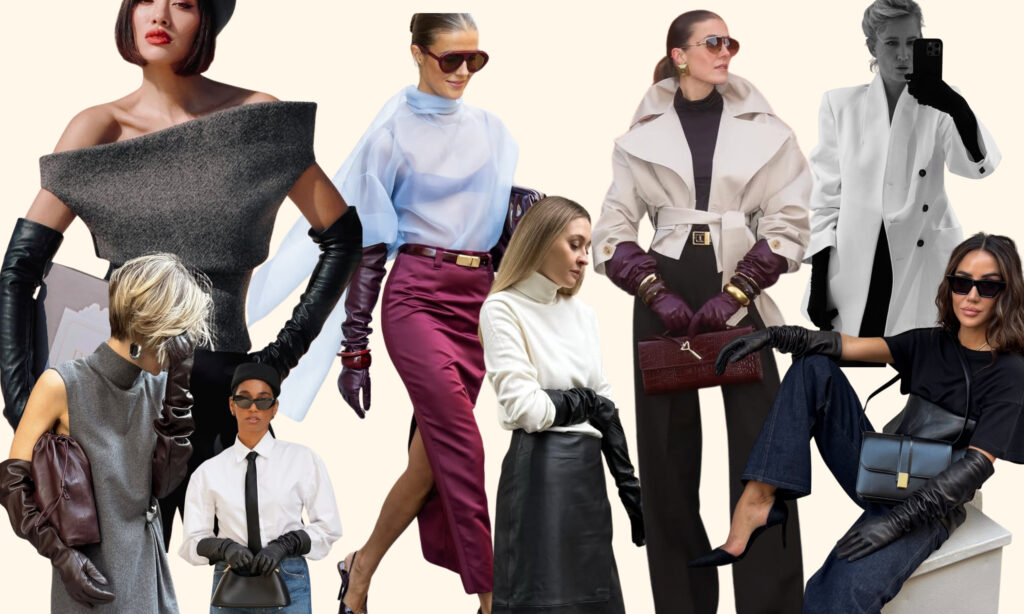
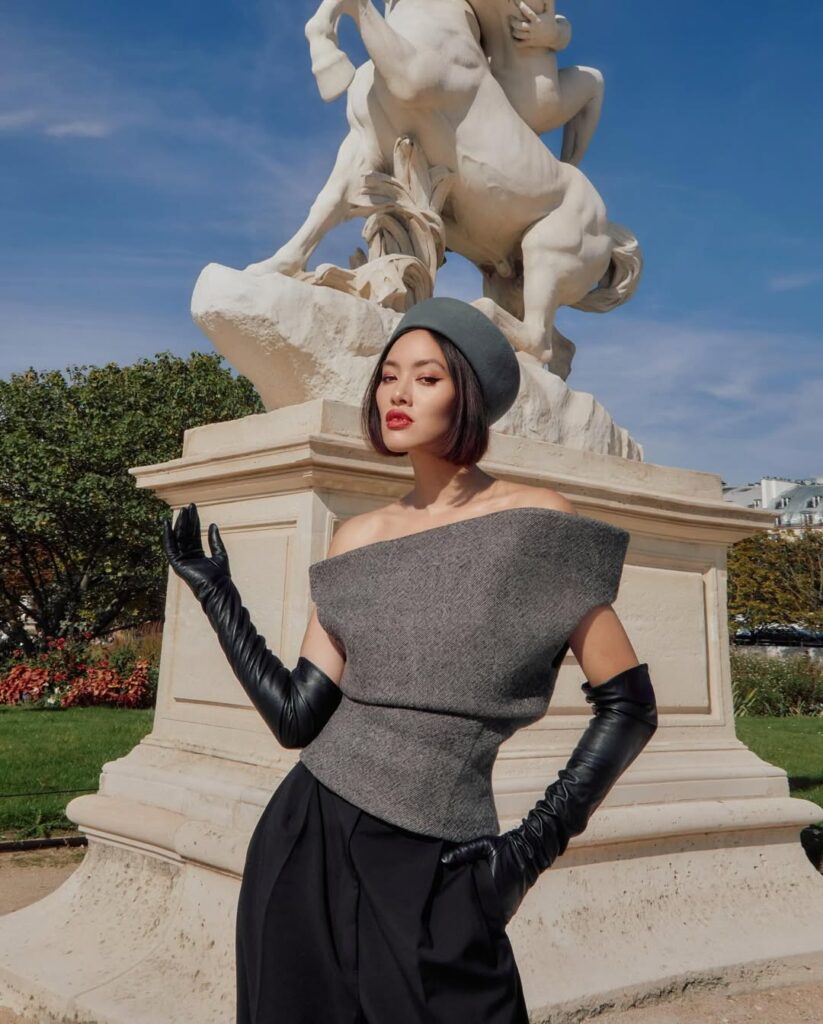
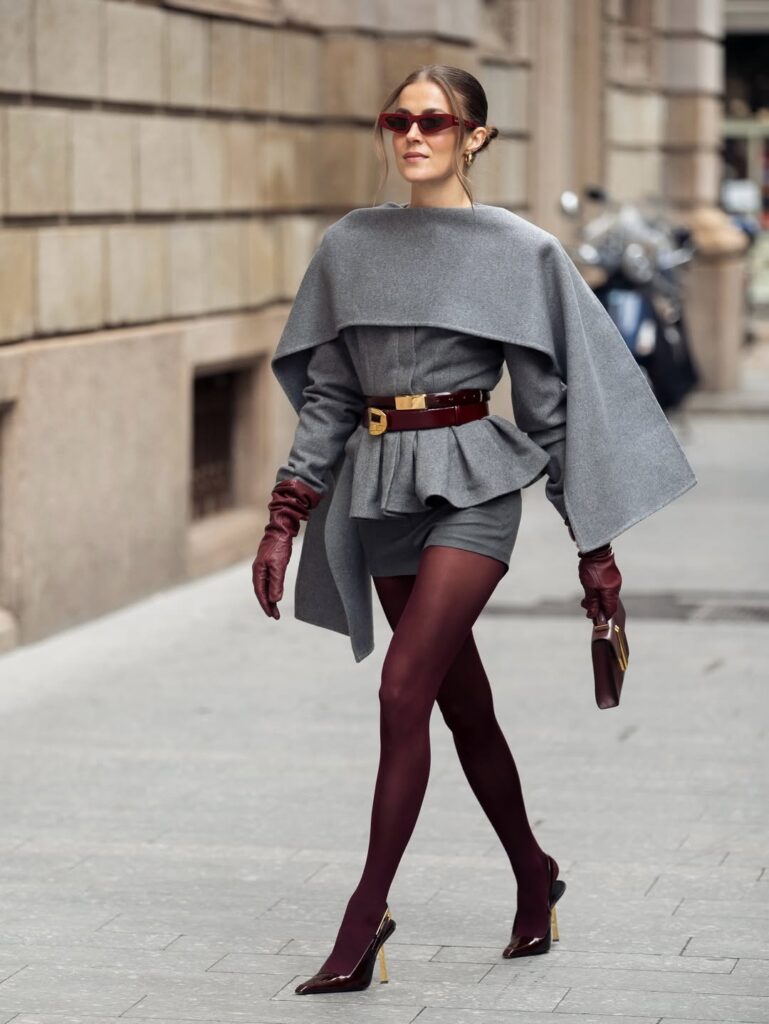
Traditionally, opera gloves are that one wardrobe item that rarely comes out to play. They exist within the storied halls of ballrooms, opera houses, and paparazzi-lined red carpets. In 2026, the fashion crowd is breaking them free and bringing the accessory onto the streets.
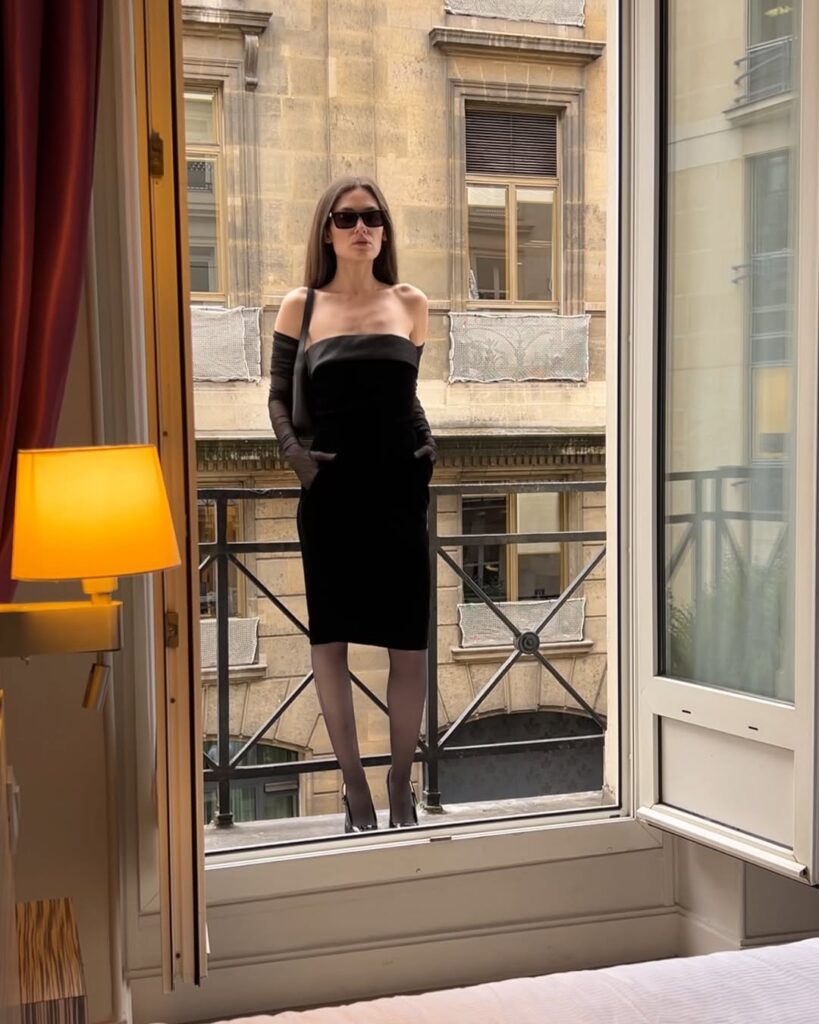
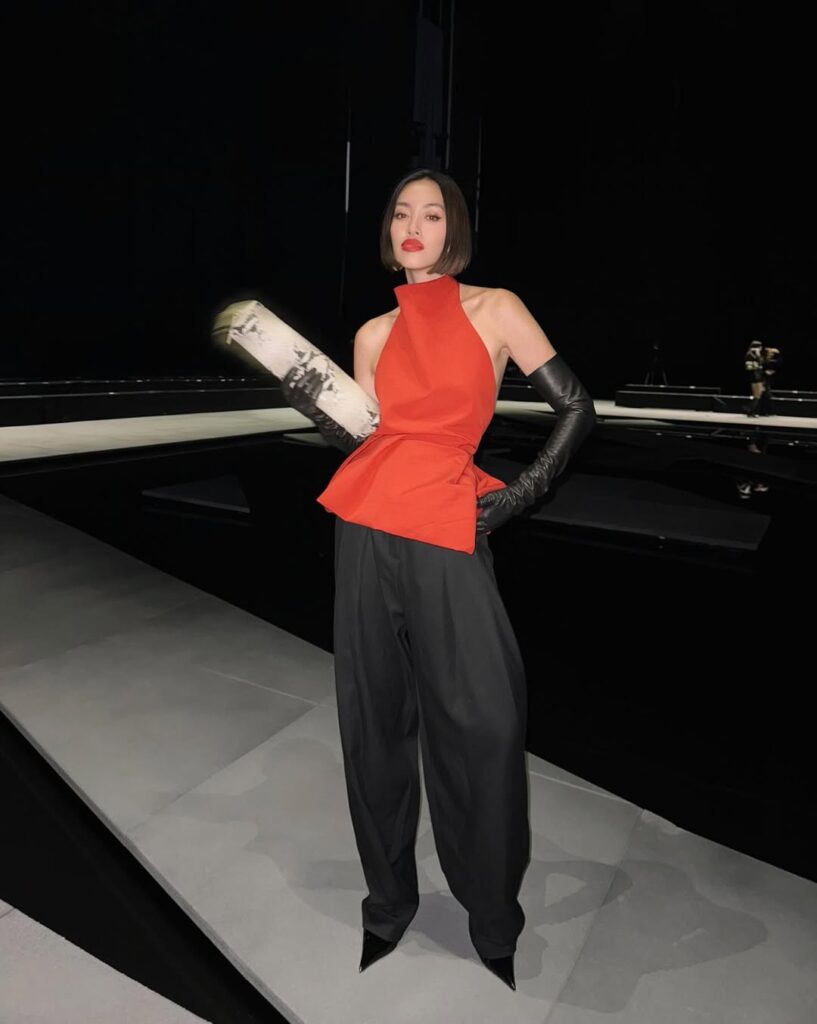
In recent seasons, designers have been deliberately dismantling the hierarchy between daywear and eveningwear. Opera gloves fit neatly into this recalibration. They introduce polish without demanding formality. On the runway, long gloves have appeared paired not with gowns, but with tailoring, knits, and outerwear. The message is clear. This accessory no longer belongs exclusively to the night.
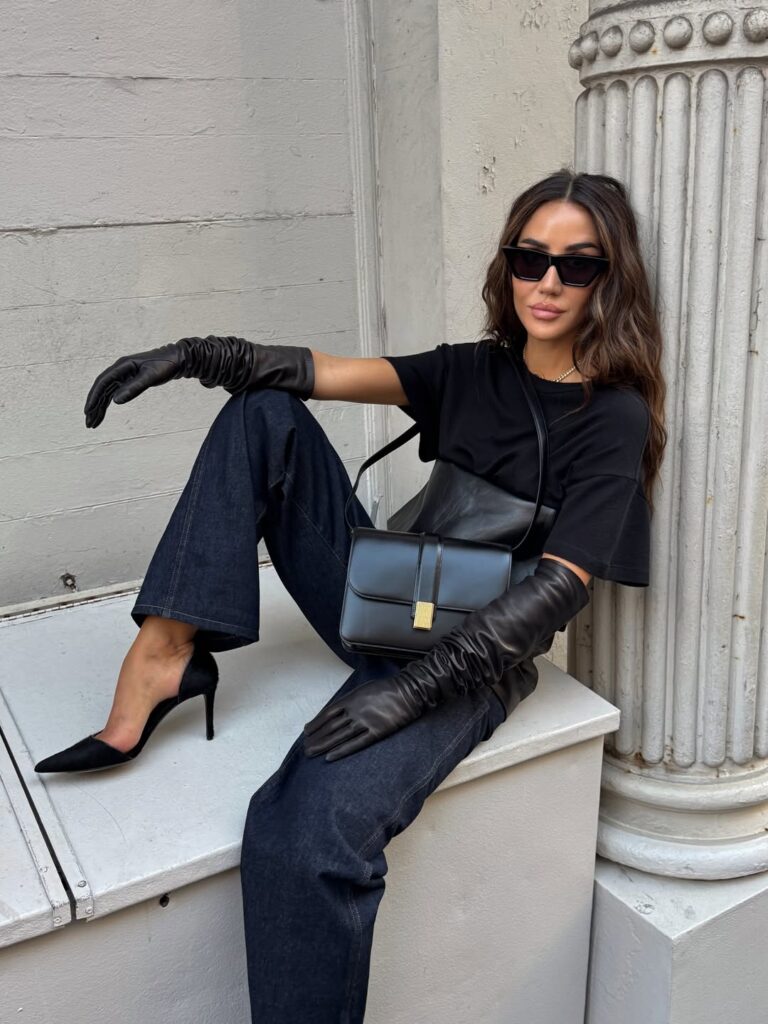
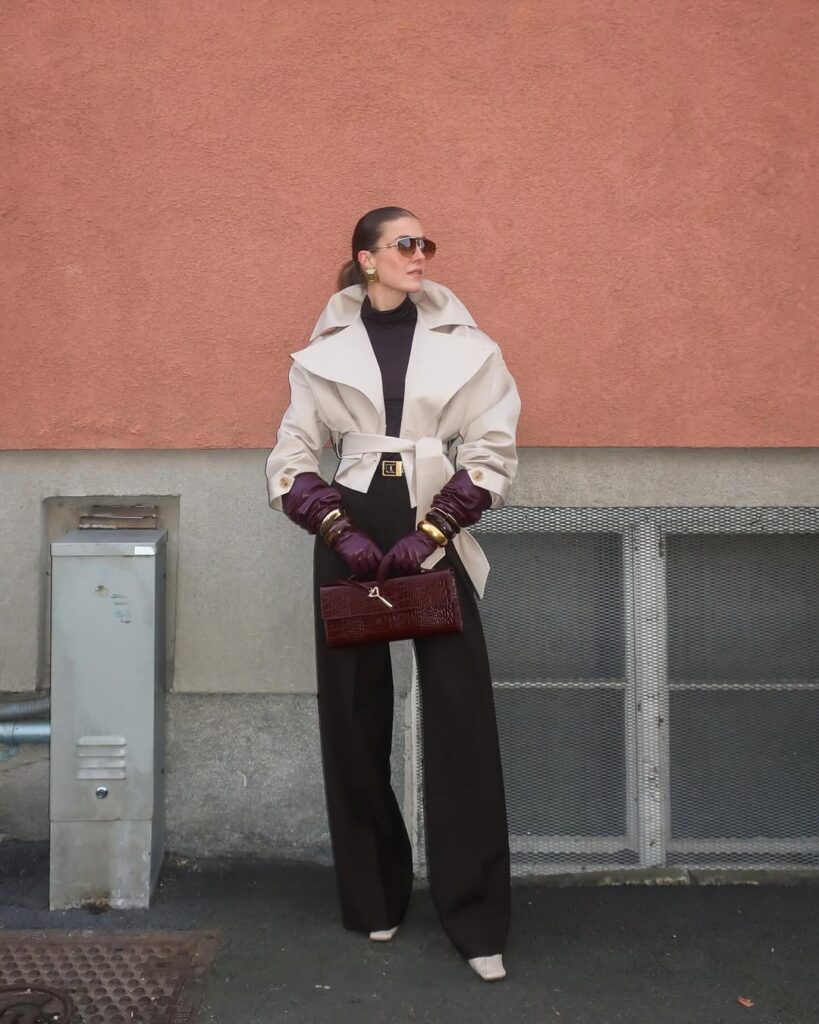
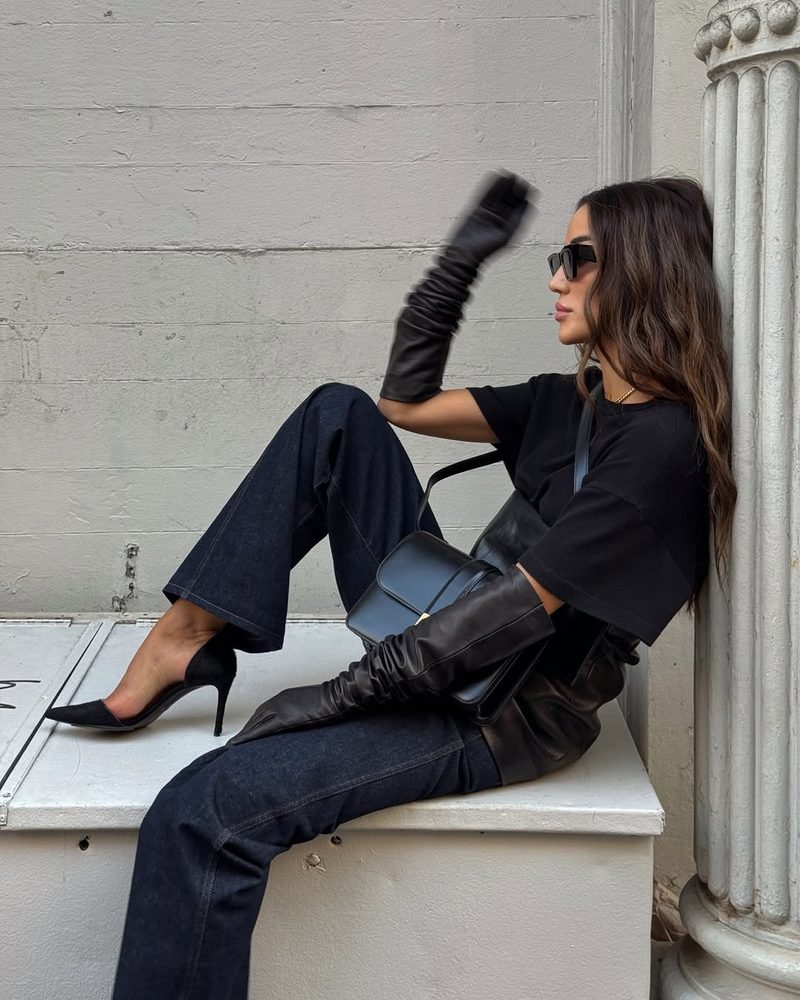
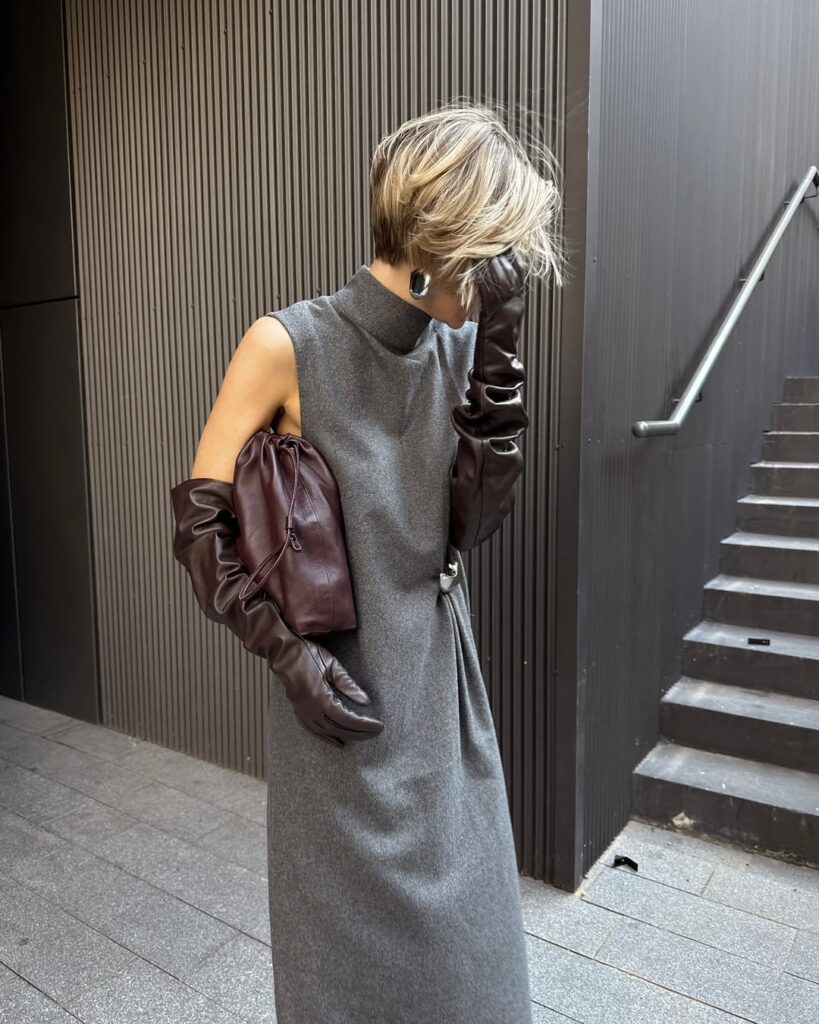
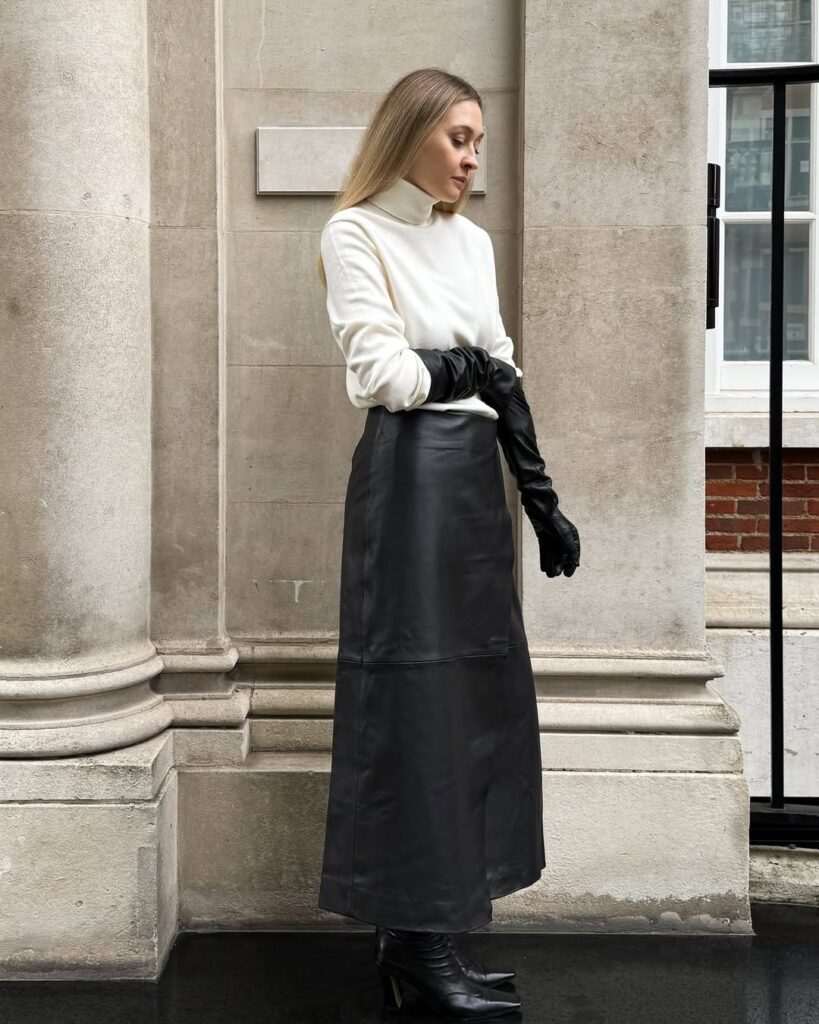
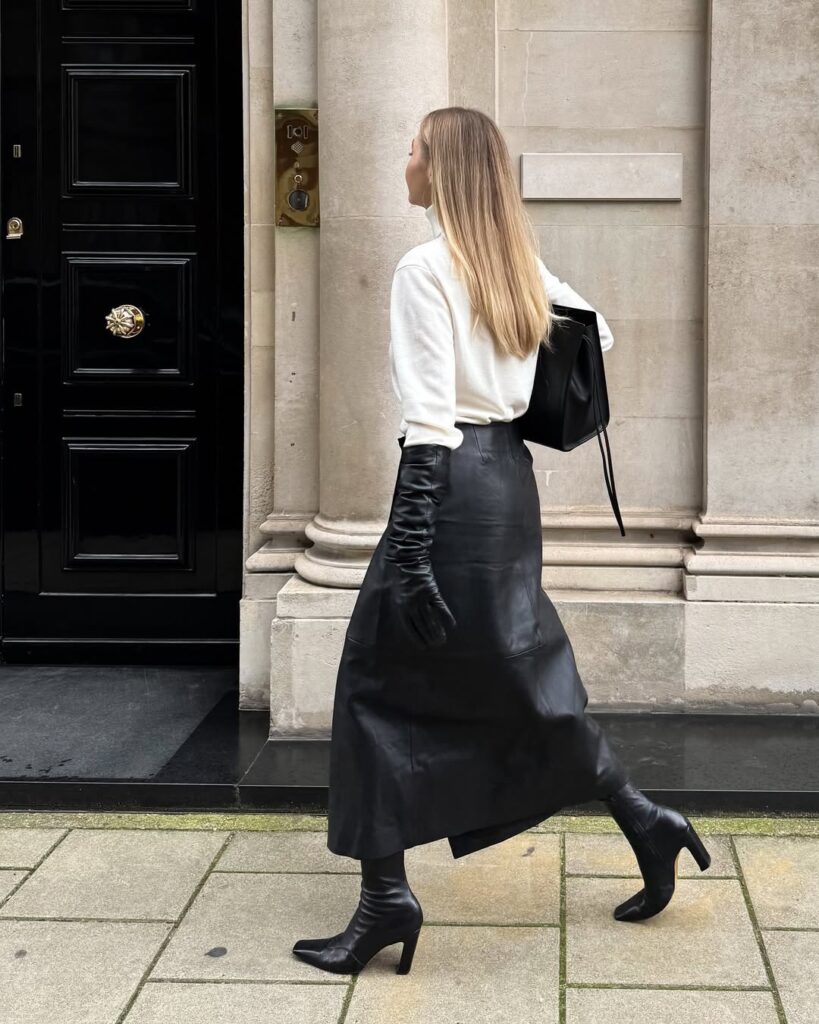
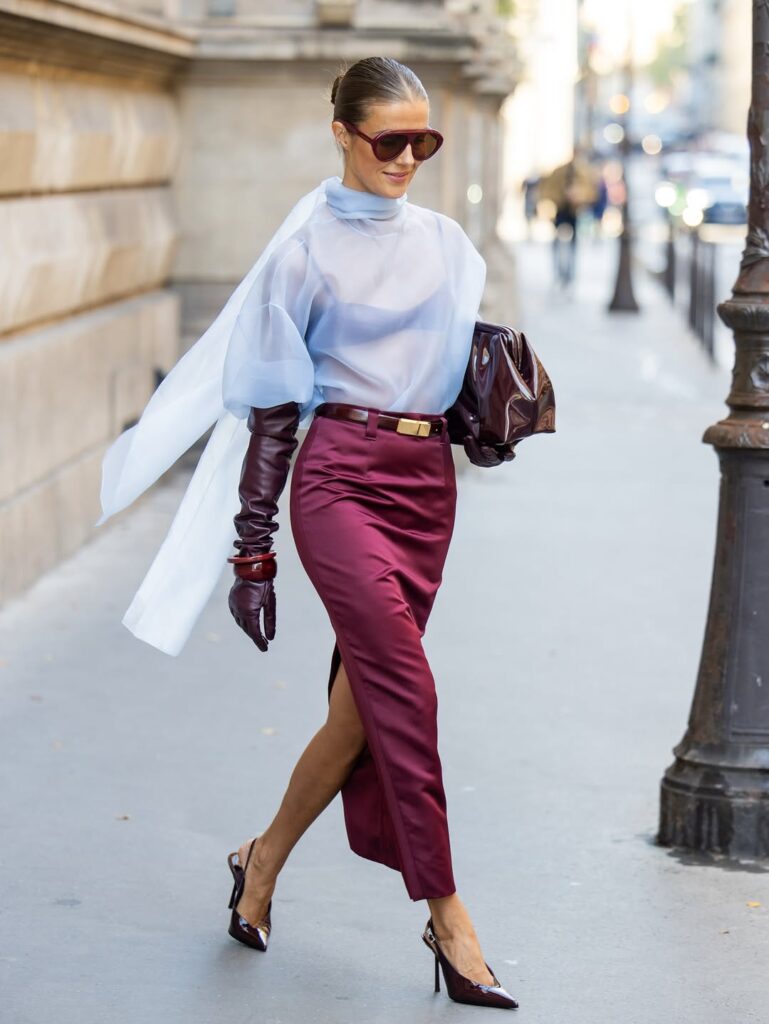
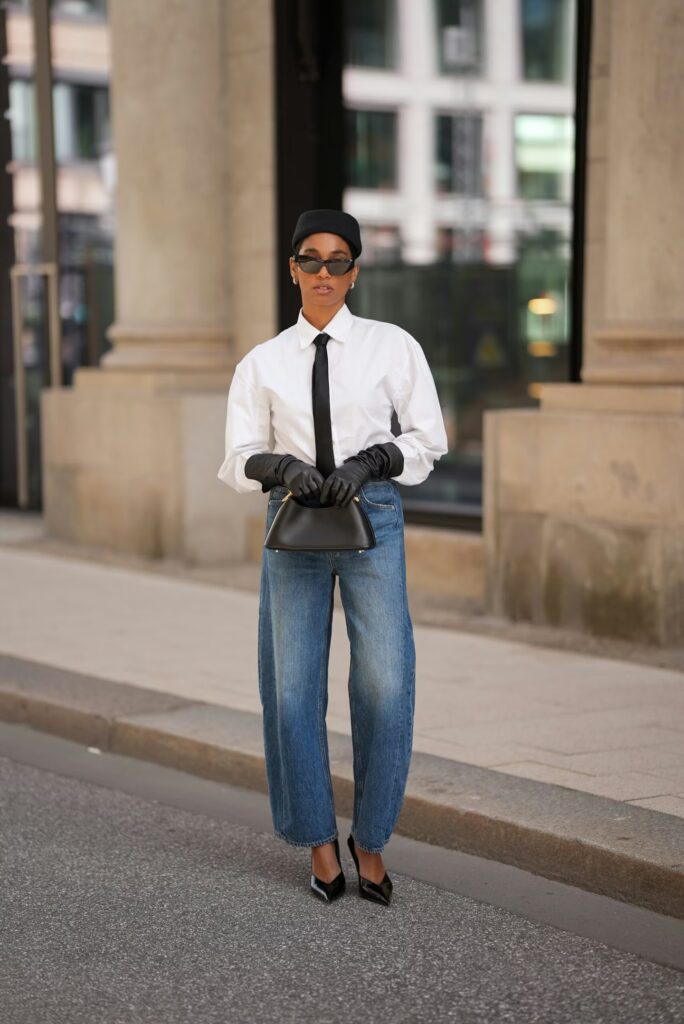
Fashion weeks accelerated the transformation. On the streets of Paris, Milan, and Copenhagen, opera gloves began appearing in unexpected pairings. Long gloves with trench coats. Knit gloves extending past the elbow worn with simple denim and loafers. Leather versions styled with minimalist dresses and flat shoes. These looks are not about extravagance. They are about intention.
The appeal lies in precision. Opera gloves add a sense of deliberateness to an outfit without overwhelming it. They elongate the line of the arm, create visual continuity, and offer a tactile counterpoint to modern silhouettes that favor volume and ease.
They also offer a controlled way to introduce elegance. They can instantly elevate a simple jeans and top look, helping you make a statement.
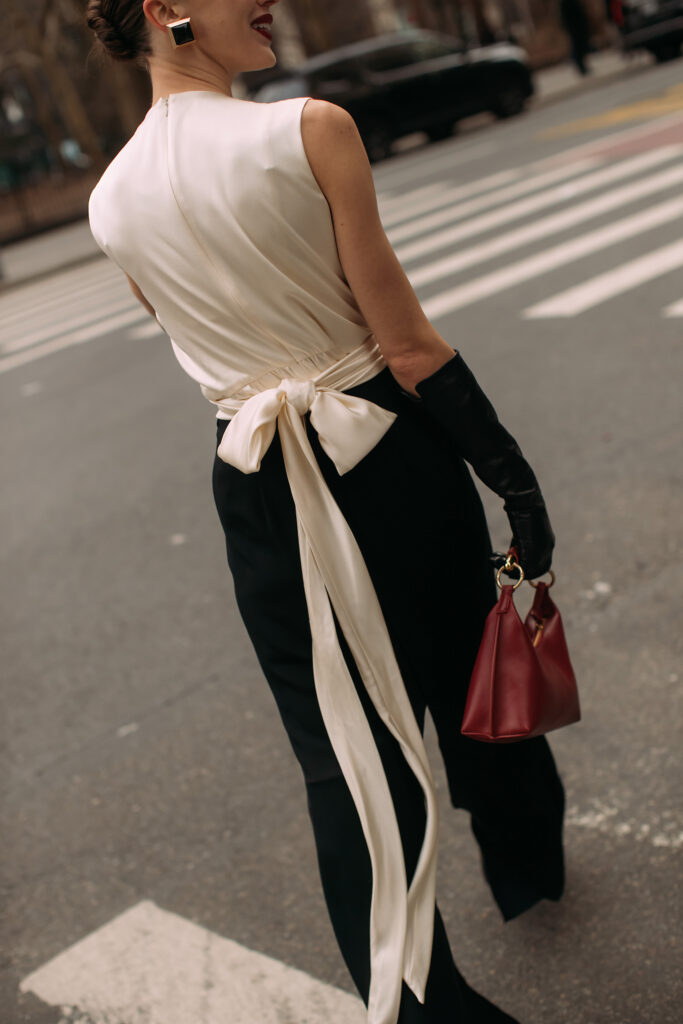
There is also an element of practicality driving their return. In leather, wool, or stretch fabrics, opera gloves function as protection as much as adornment. This duality matters in a fashion landscape increasingly shaped by utility and longevity.
ALSO READ: APPLE’S NEW CREATIVE STUDIO IS A GAME-CHANGER FOR CONTENT CREATION.