For 130 years, the Louis Vuitton Monogram has occupied a rare position in visual culture. It is instantly recognizable yet endlessly interpreted, deeply commercial yet undeniably cultural. Few symbols in luxury have traveled so far, crossed so many social boundaries, or carried such layered meaning. To see the Monogram is to understand aspiration, movement, and status in a single glance. It signals not just ownership, but belonging to a lineage of taste shaped by travel, craftsmanship, and time.
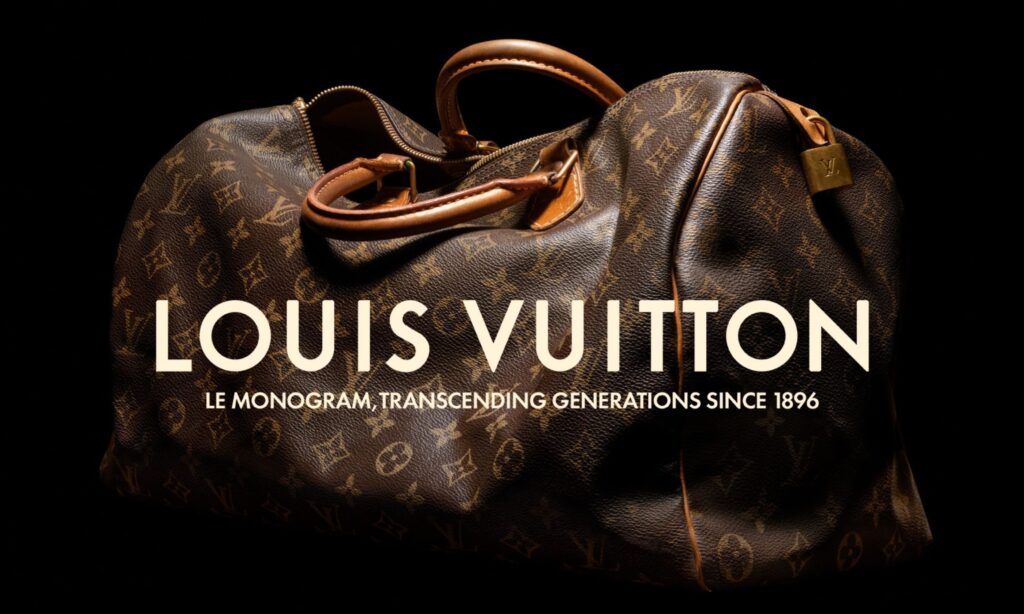
Created in 1896 by Georges Vuitton as a tribute to his father, Louis Vuitton, the Monogram was never intended to be decorative excess. It was strategic, protective, and forward-thinking. At a moment when counterfeiting threatened the integrity of luxury goods, Georges designed a canvas that could not easily be replicated. Drawing on Neo-Gothic motifs and the influence of Japonism, he constructed a pattern that fused initials, florals, and geometry into a cohesive identity system. What began as a safeguard quickly evolved into a visual language.
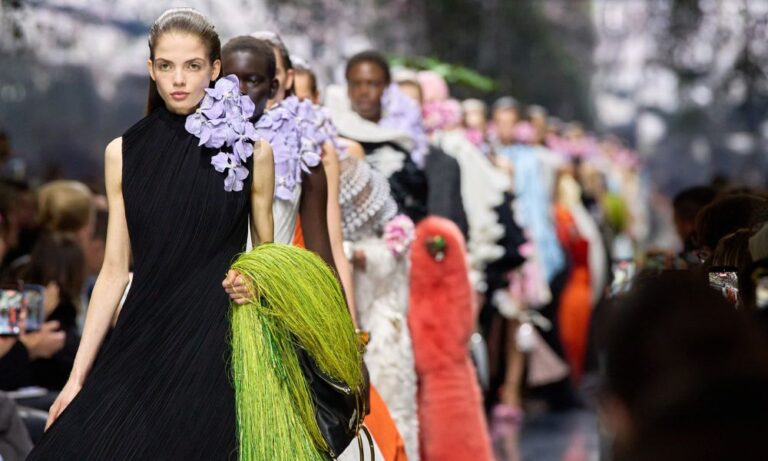
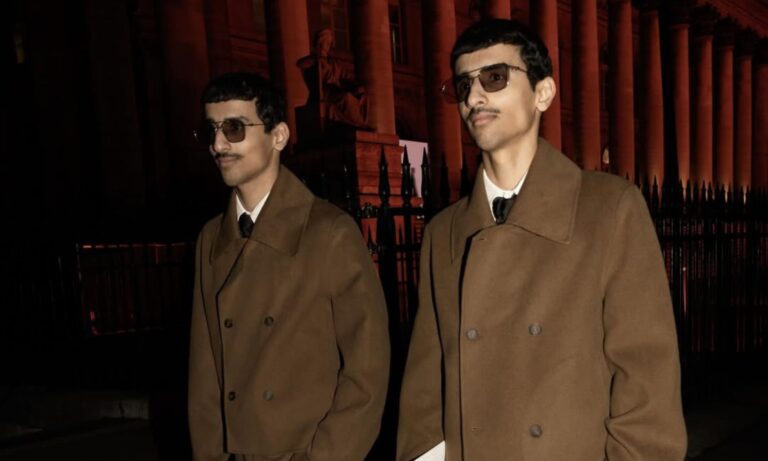
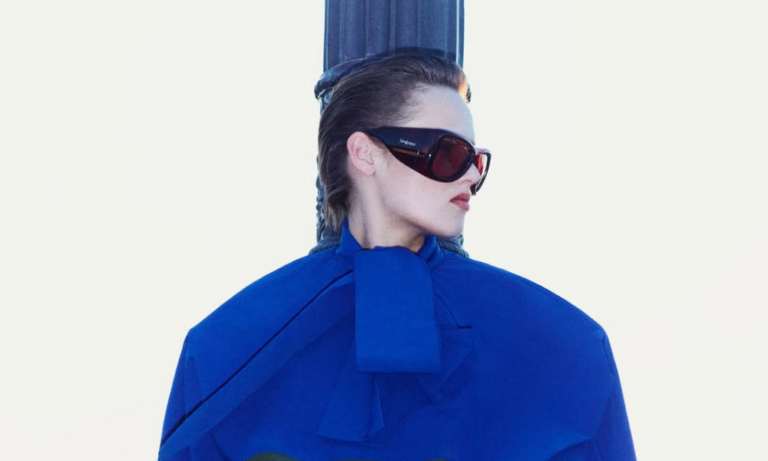
Over the decades, that language has remained remarkably fluent. While fashion cycles accelerated and aesthetics fractured, the Monogram endured, adapting without dissolving. It moved from steamer trunks to city streets, from aristocratic travel to global pop culture. It has been reinterpreted by creative directors and artists alike, from Marc Jacobs’ early experiments with collaboration to Nicolas Ghesquière’s architectural reframing of heritage, and from Virgil Abloh’s cultural recalibration of menswear to Pharrell Williams’ instinctive understanding of symbol and spectacle. Each intervention asked the same question: how far can an identity stretch and still remain itself?
Louis Vuitton’s 130-year Monogram celebration acknowledges that question directly. Instead of presenting the Monogram as a finished story, the House frames it as an ongoing one. The anniversary unfolds as a year-long reflection, opening with the elevation of its most iconic Monogram bags and extending into new collections that explore material, technique, and illusion.
The ‘Monogram Origine’ collection turns to the House’s earliest records for inspiration, reintroducing the canvas through a newly developed linen-and-cotton blend that softens its surface and shifts its tone. The palette draws from archival references rather than trend cycles, lending the familiar pattern a quieter presence. This is the Monogram reconsidered as memory rather than spectacle, where details such as personalized tags and signature references restore the idea of ownership as something intimate and specific. Classic silhouettes such as the ‘Speedy,’ ‘Noé,’ ‘Alma,’ and ‘Neverfull’ appear not as icons frozen in time, but as objects quietly rewritten through material innovation.
In contrast, the ‘VVN’ collection places material honesty at the center of the conversation. Crafted from natural, vegetable-tanned leather, these pieces are designed to change visibly over time. They resist instant polish in favor of evolution, allowing wear, light, and handling to shape their character. It is a deliberate repositioning of luxury as something lived with, not preserved untouched.
The ‘Time Trunk’ collection operates in a more conceptual register. Using trompe-l’oeil printing to recreate the textures and details of Louis Vuitton’s historic trunks, it transforms craftsmanship into illusion. What looks three-dimensional is flat. What appears aged is newly made. The effect is precise and disorienting, a reminder that innovation at the House has always involved both technical mastery and visual intelligence.
Together, these collections reveal the Monogram not as a static emblem, but as a system capable of reflection. They acknowledge its contradictions: exclusivity and ubiquity, heritage and reinvention, craft and image. Rather than smoothing those tensions, Louis Vuitton allows them to coexist.
One hundred and thirty years on, the Monogram endures because it has never pretended to stand still. It has moved with culture, absorbed change, and learned when to protect its codes and when to challenge them. More than a pattern, it remains a record of motion. And in an industry obsessed with the new, that ability to travel through time may be its greatest luxury of all.
ALSO READ: BURO’S FAVORITE CELEBRITY RED CARPET LOOKS FROM THE 2026 CRITICS CHOICE AWARDS.