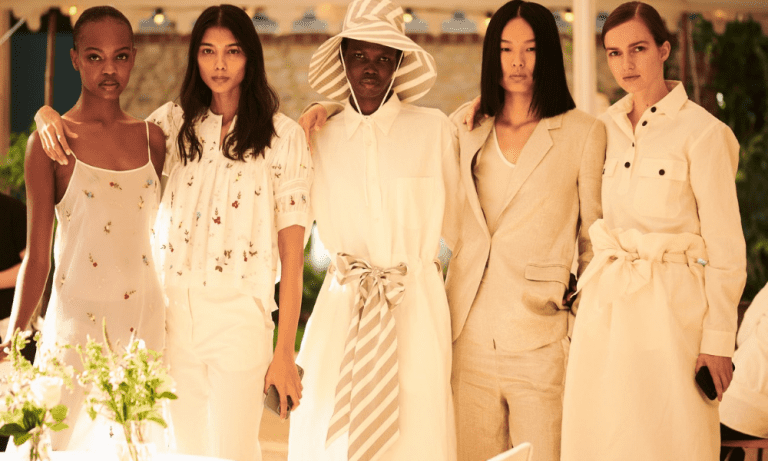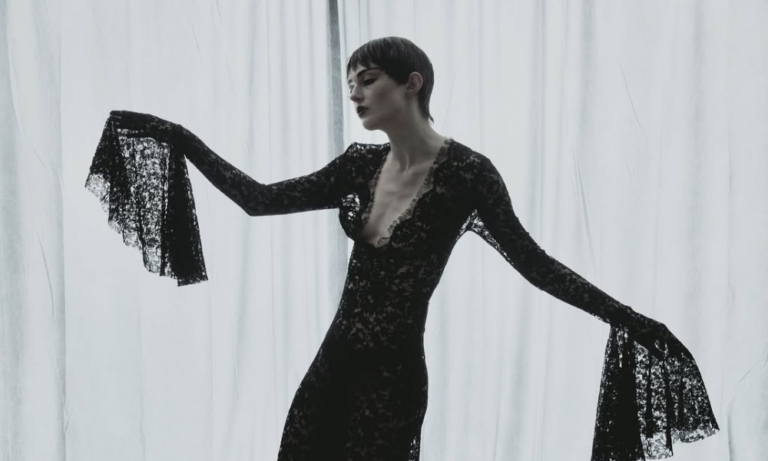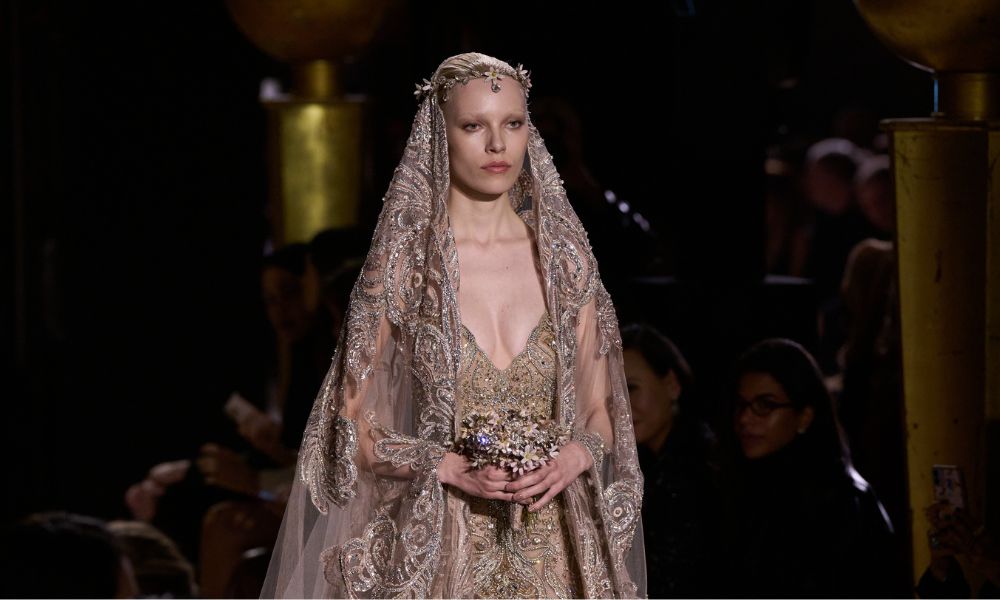
Paris Haute Couture Week Spring/Summer 2026 reminded everyone why couture still matters. This season was emotional, theatrical, occasionally strange, and deeply personal. New creative chapters opened, legacies were honored, and couture did what it does best: it made us dream. Here’s the concise breakdown of the collections that defined the week.
SCHIAPARELLI
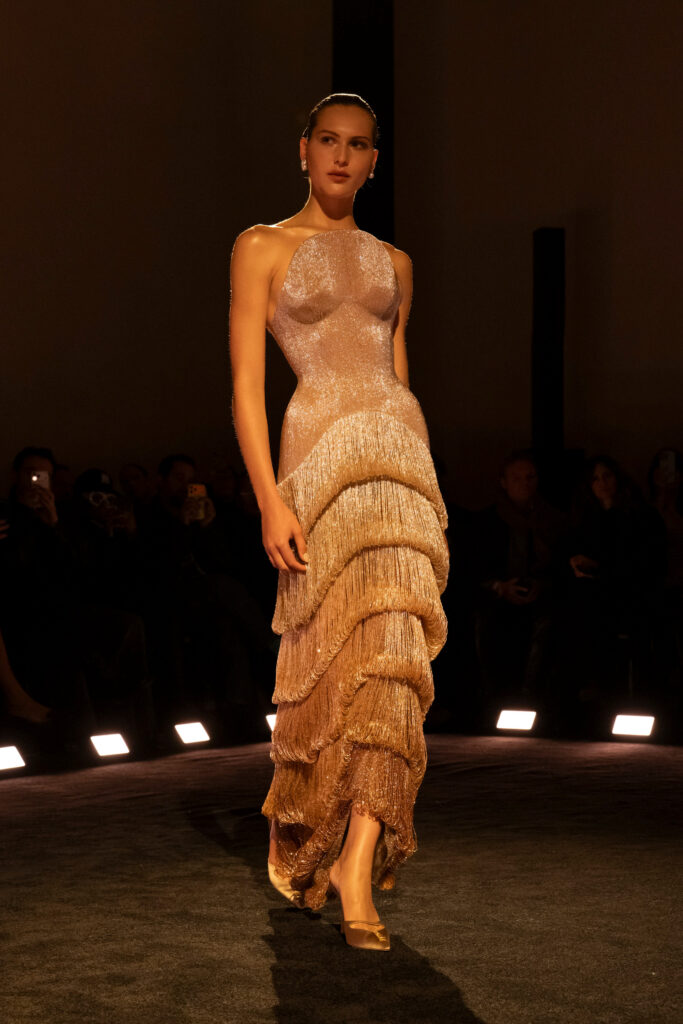
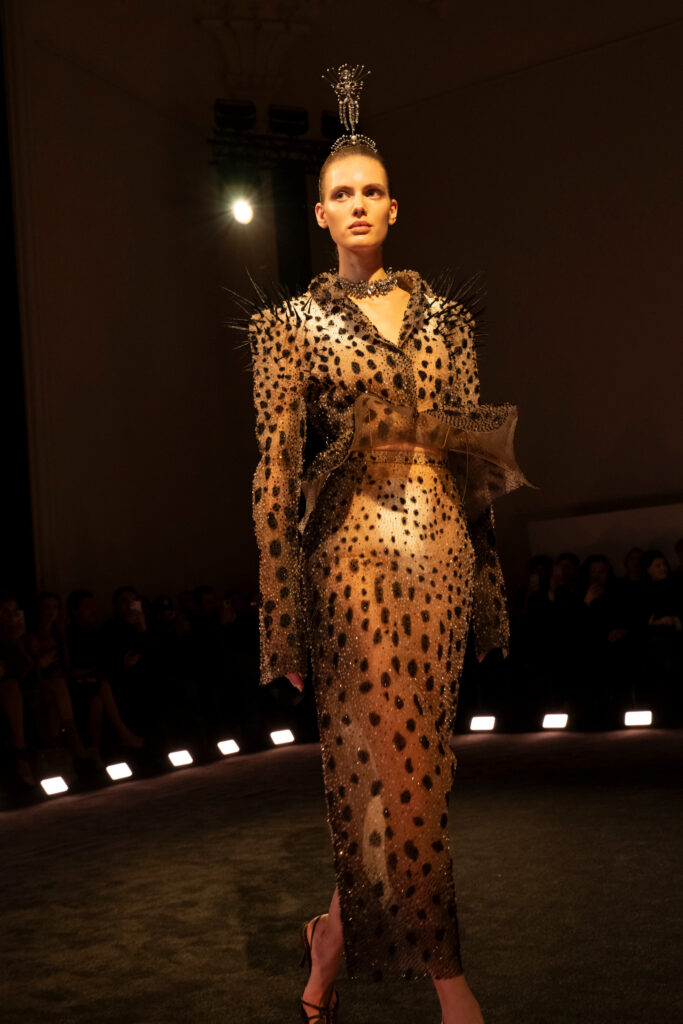
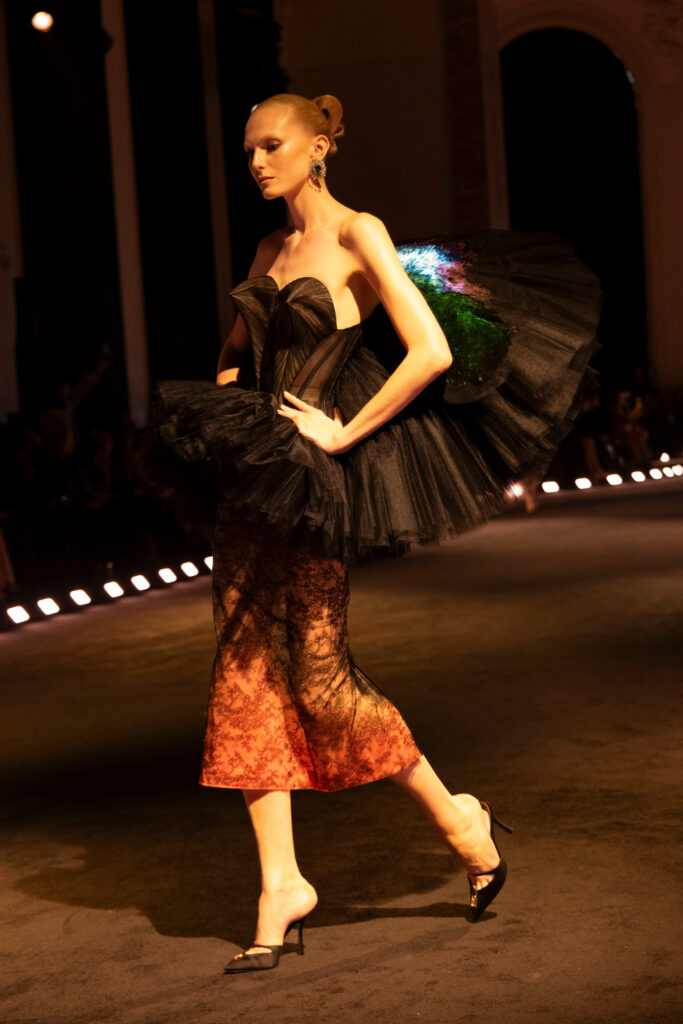
Schiaparelli once again embraced couture as spectacle under Daniel Roseberry, delivering a collection steeped in surrealism, symbolism, and sculptural drama. Exaggerated forms, metallic finishes, and mythic references reinforced the house’s position as couture’s most visually arresting provocateur, where fashion operates unapologetically as art. The show also turned one of Paris’s most unsettling recent moments into pure fashion theatre. Roseberry looked to the disappearance of historic jewels from the Louvre as an inspiration. On the runway, that idea materialized through exaggerated jewels that were a clear reflection of from the ones stolen in the heist.
CHANEL
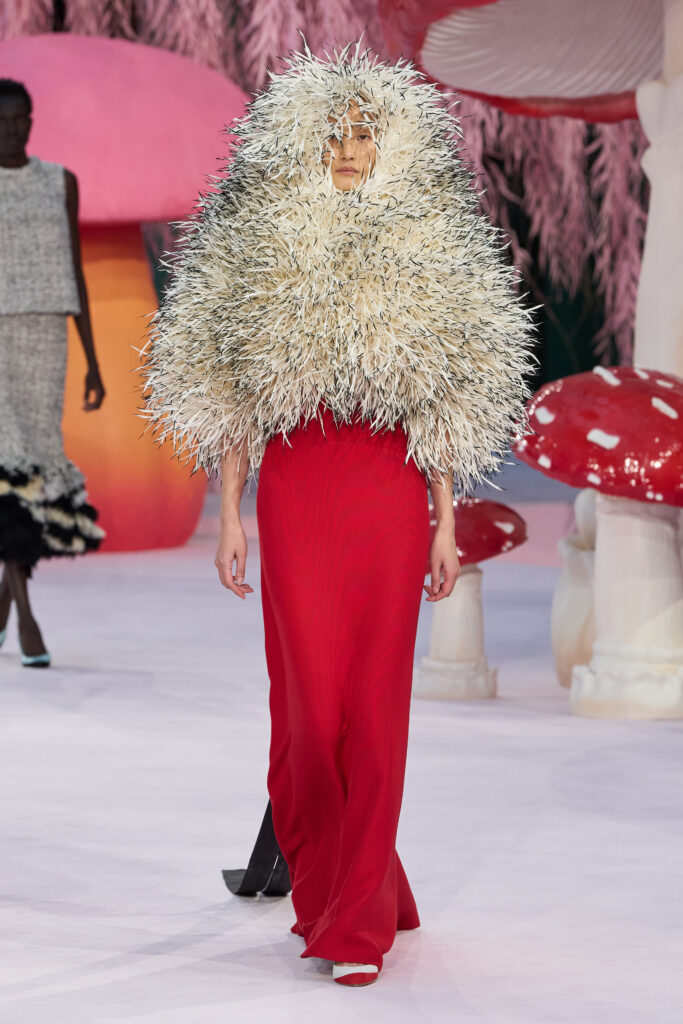
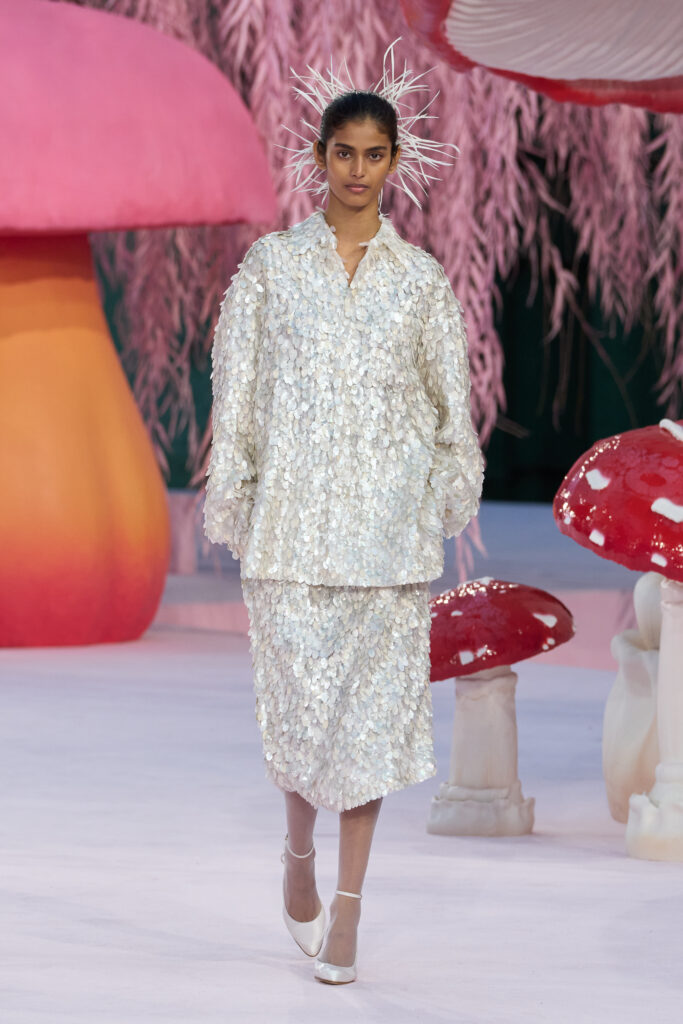
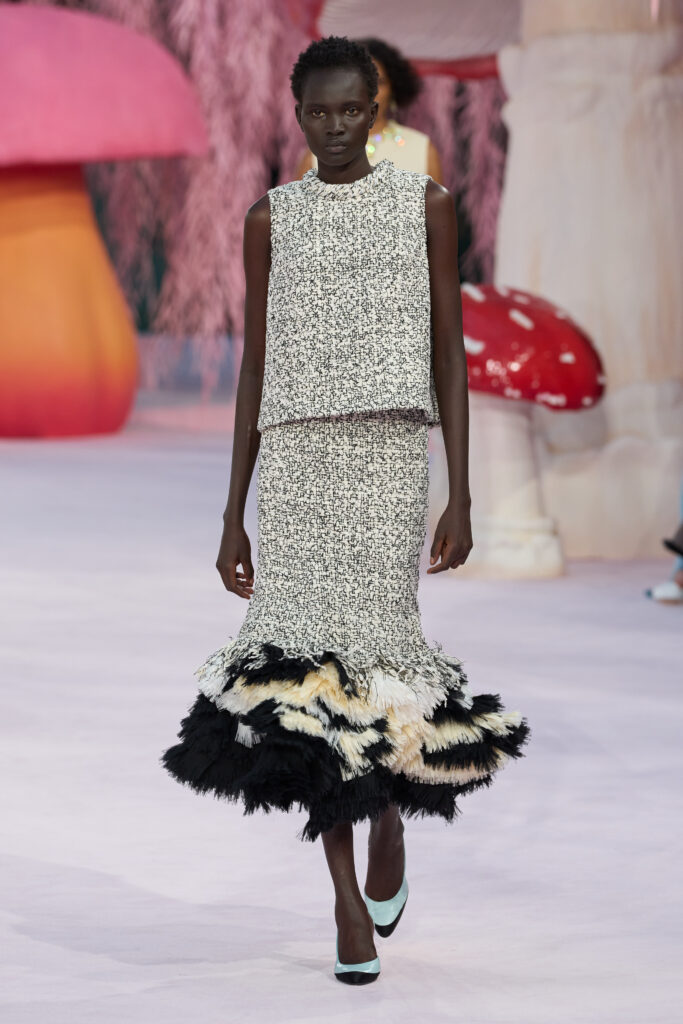
Matthieu Blazy’s first couture collection for Chanel was staged inside a dreamlike forest at the Grand Palais, the collection drew inspiration from birds and nature, translated through sheer silks, feather-like textures, and reworked tweeds. Rather than leaning into fantasy, Blazy focused on movement and lightness, offering a poetic interpretation of Chanel’s codes that felt deliberate, wearable, and quietly assured. It was a confident couture debut.
GIORGIO ARMANI
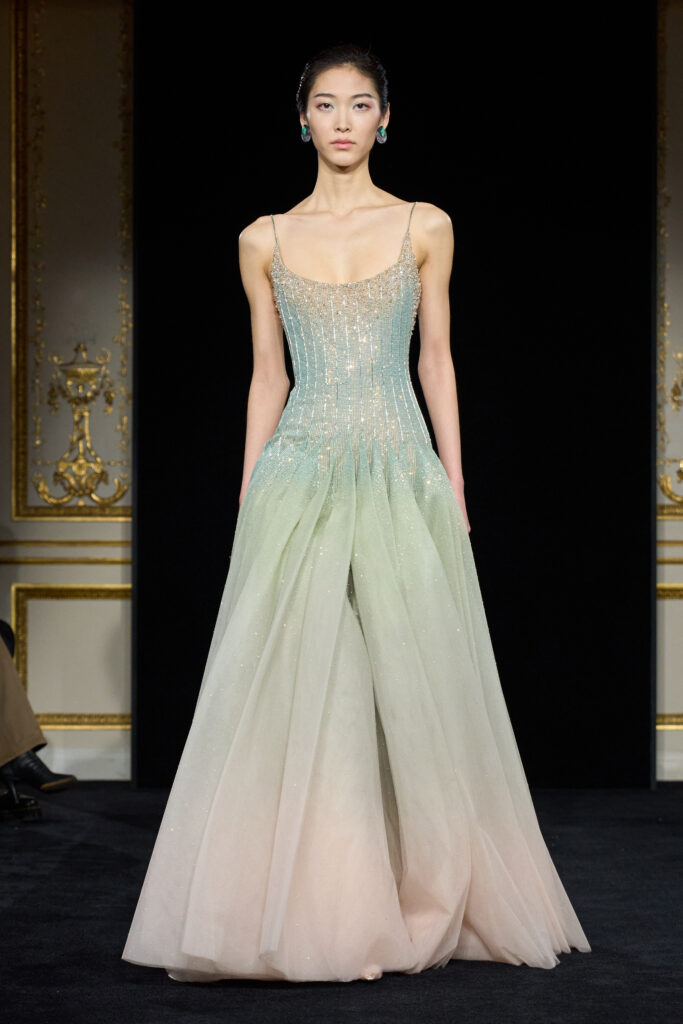
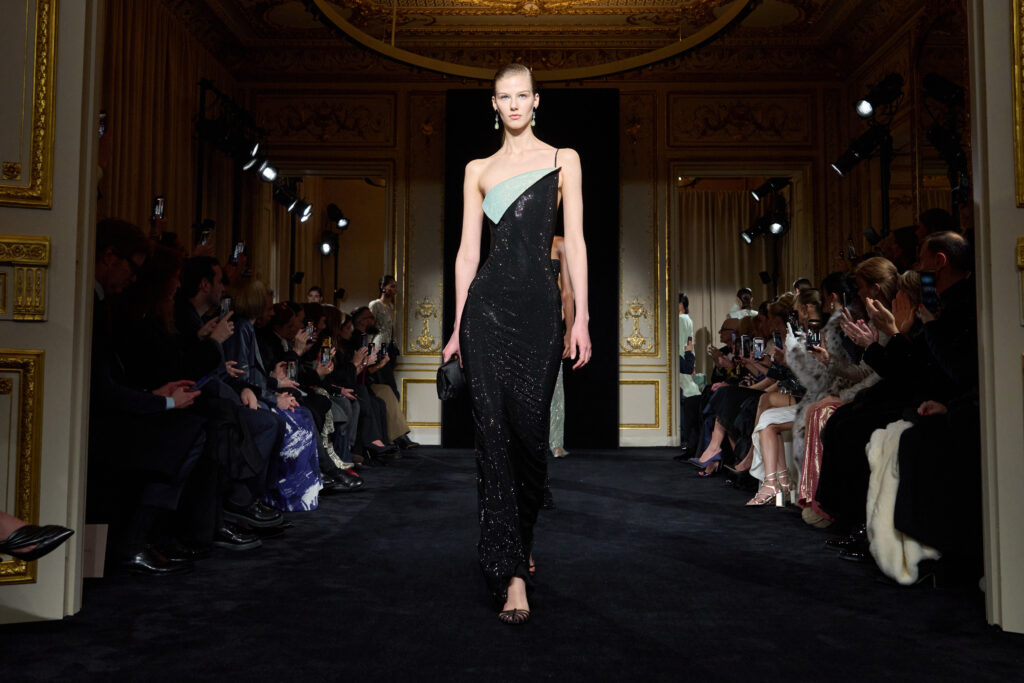
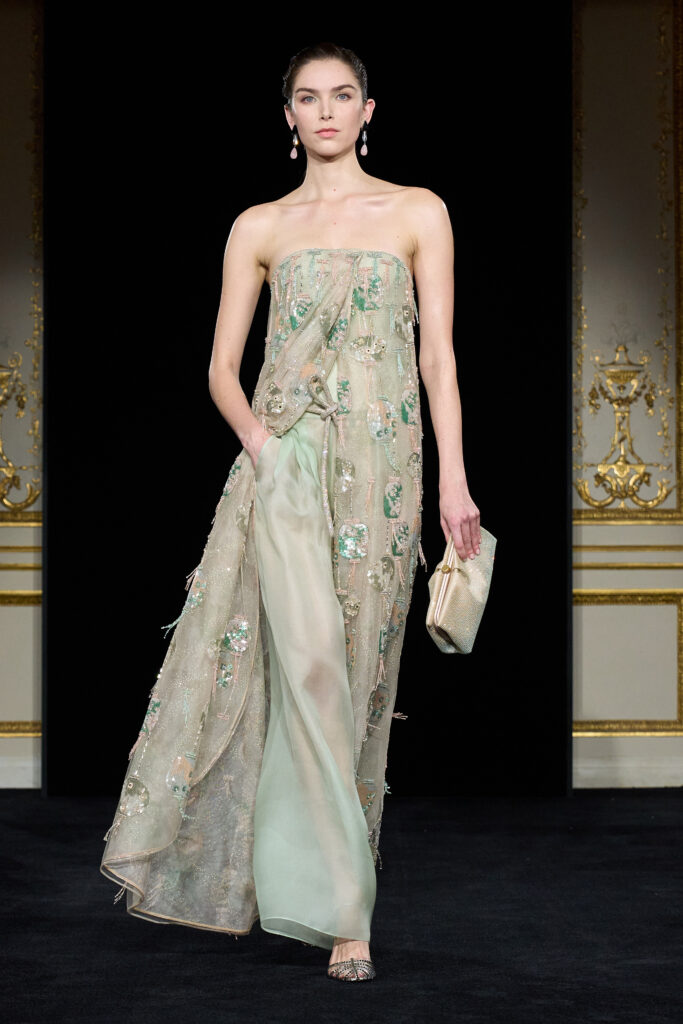
Armani Privé’s Spring/Summer 2026 collection marked a significant transition for the house, presented for the first time without Giorgio Armani’s direct oversight. Guided by his niece Silvana Armani, the collection remained anchored in the brand’s signature elegance, favoring fluid satin trouser suits, softly shimmering eveningwear, and pearl-embroidered blouses. The approach was respectful and controlled, signaling continuity over disruption, and reinforcing Armani’s enduring language of refined, understated couture.
DIOR
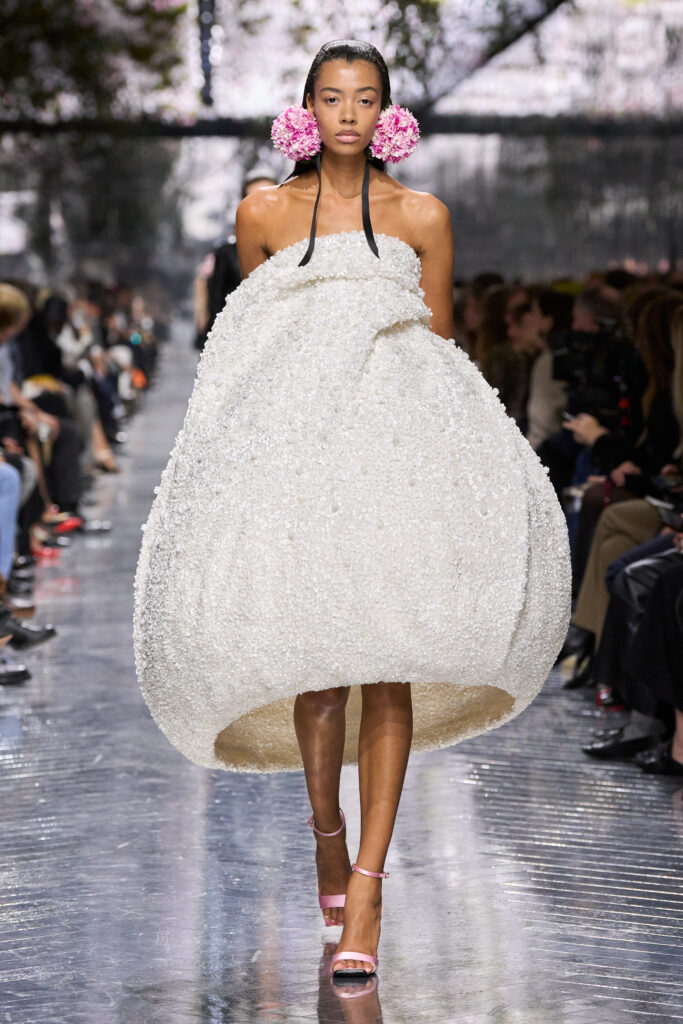
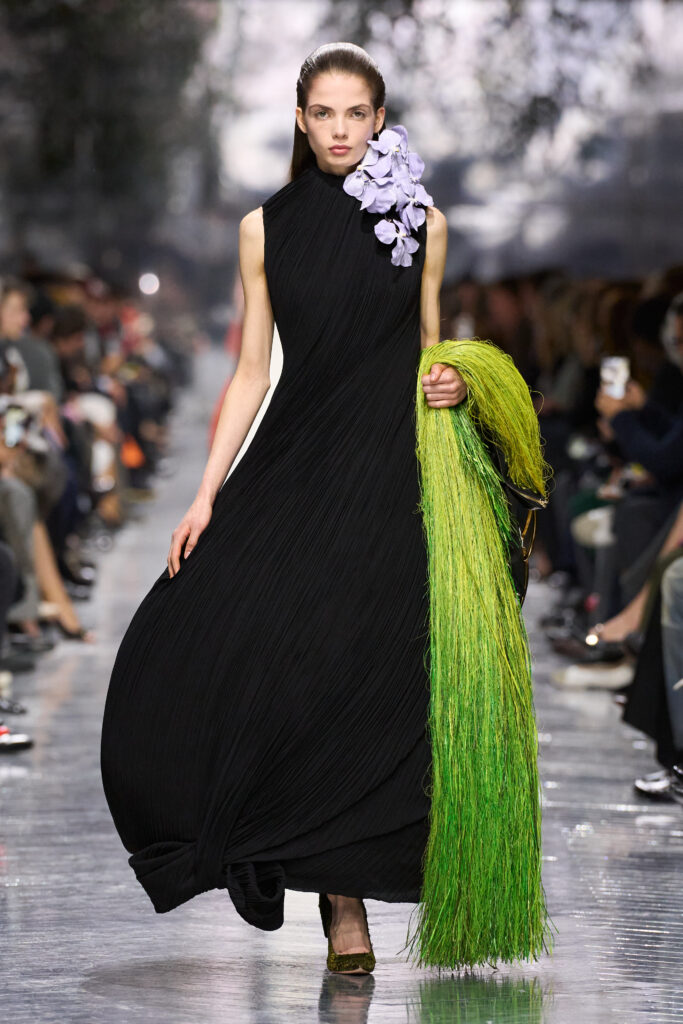
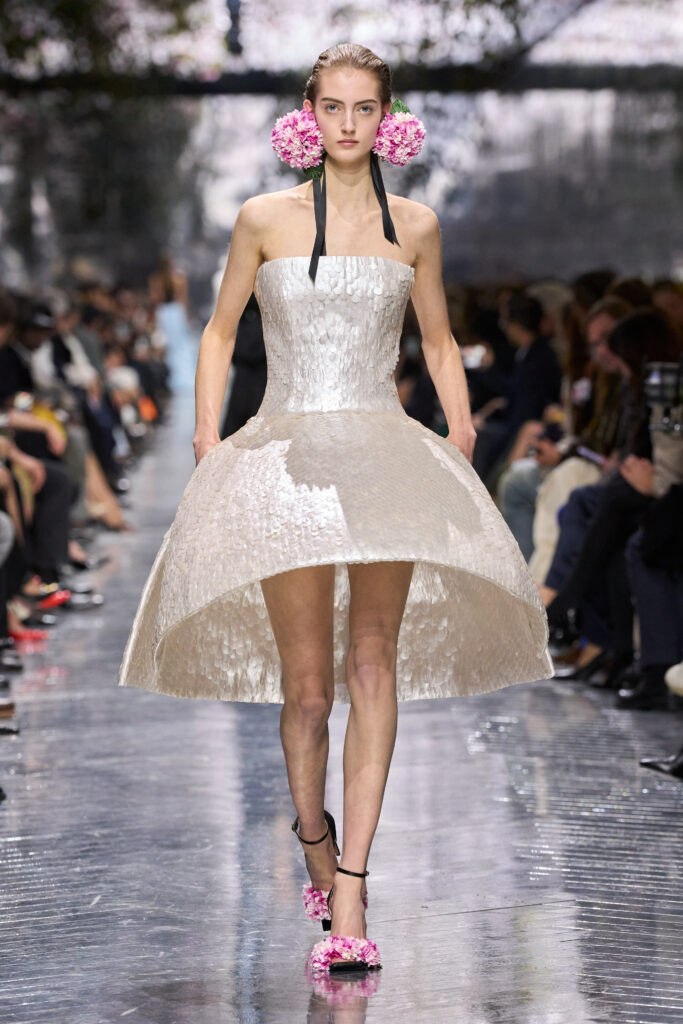
Jonathan Anderson’s first haute couture collection for Dior unfolded as a deeply personal and quietly powerful tribute to John Galliano. Staged at the Musée Rodin beneath suspended cyclamens, the flowers reappeared as sculptural earrings, framing each look and anchoring the collection emotionally. The gesture referenced a moment shared between the two designers, when Galliano gifted Anderson cyclamens ahead of his first women’s show. Rather than recreating Galliano’s theatrical Dior era, Anderson distilled it, translating floral symbolism, softened ‘Bar’ jacket references, textured tweeds, and fluid chiffon into an intelligent couture language. The result was couture that contained emotion rather than performing it.
VALENTINO
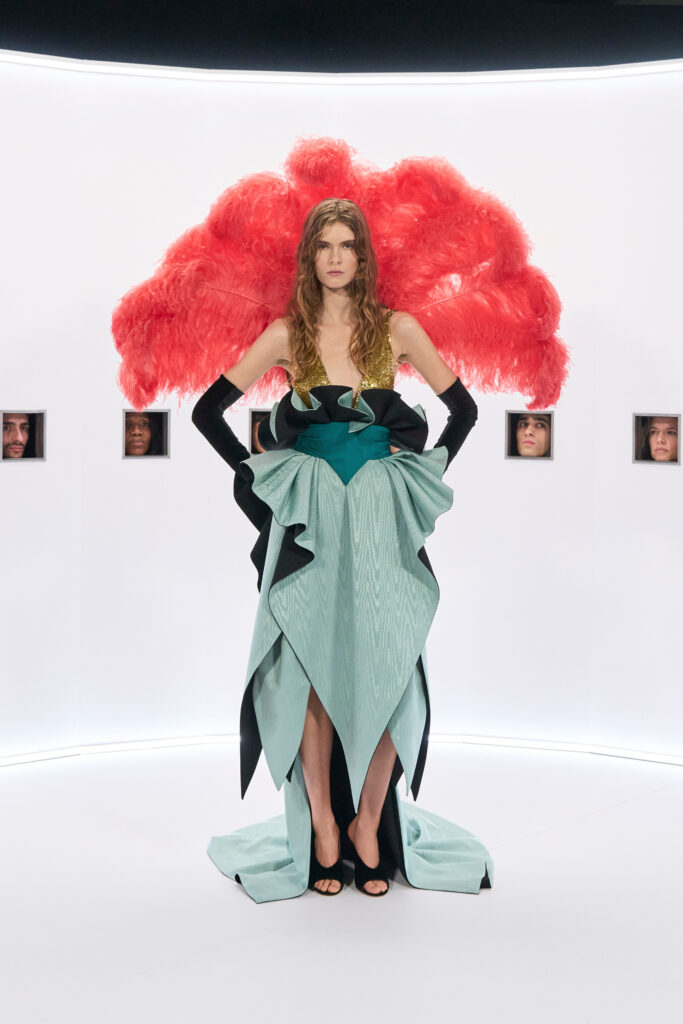
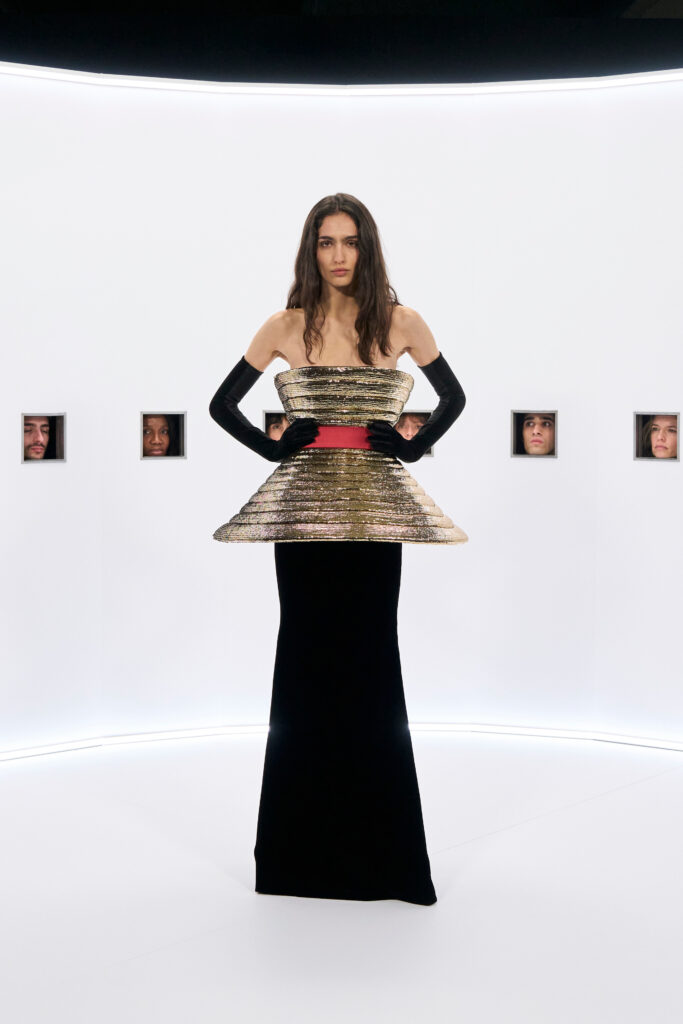
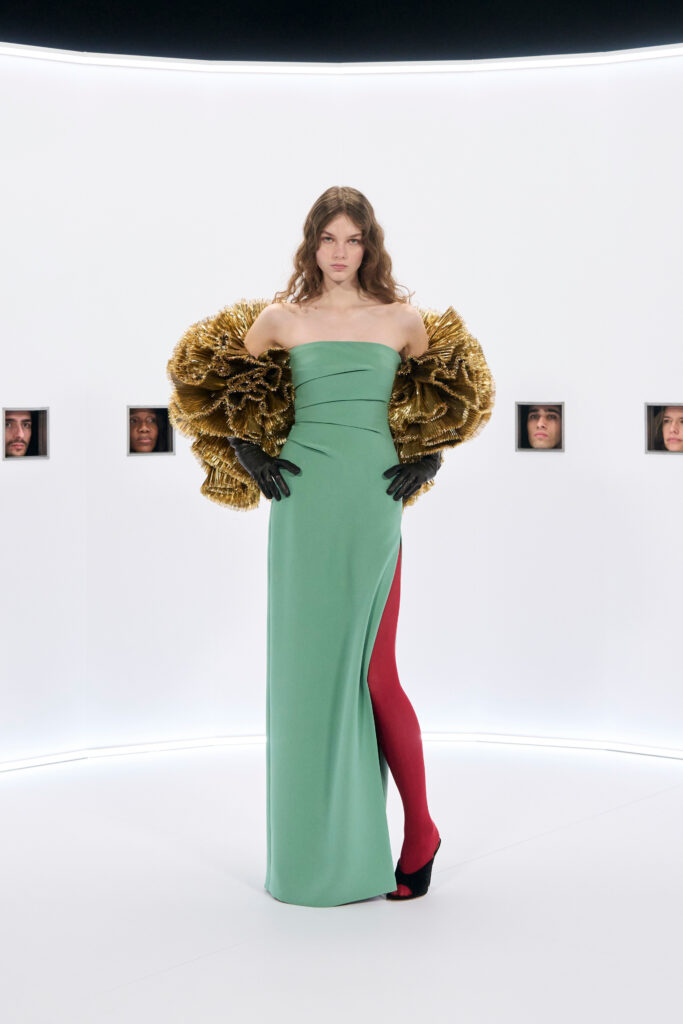
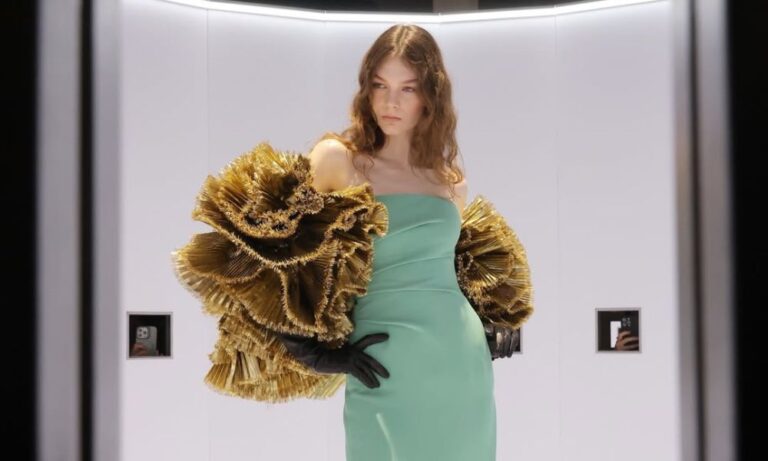
Valentino’s Spring/Summer 2026 couture show was the house’s first since the death of founder Valentino Garavani, and the mood reflected that gravity. Creative director Alessandro Michele staged the show in near darkness, placing guests on simple stools facing circular pods with small viewing windows. Instead of a traditional runway, models appeared briefly behind glass-like partitions, so viewers caught fragments of each look rather than full silhouettes. The clothes themselves were highly detailed and ornate, but the controlled setting limited how much could be seen at once. The contrast felt intentional: a maximalist designer choosing restriction as a device.
ELIE SAAB
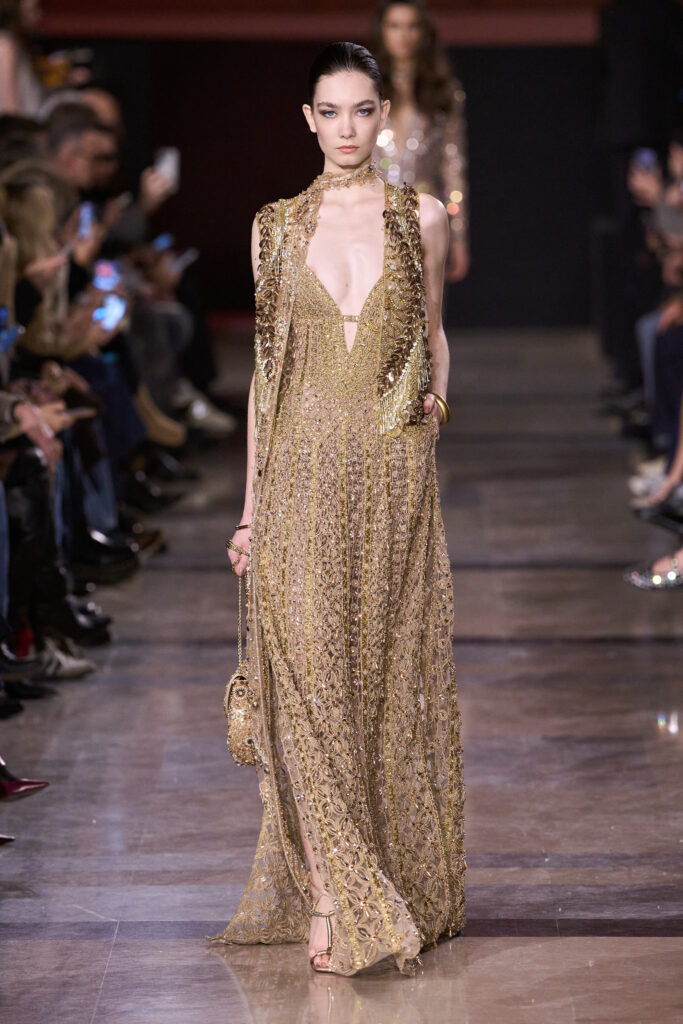
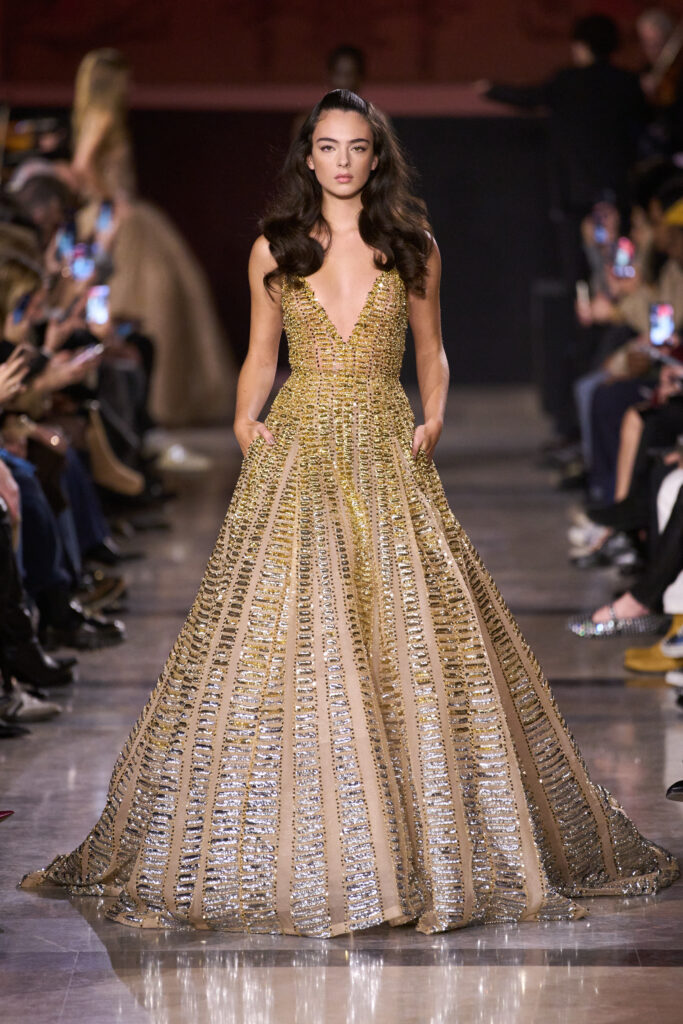
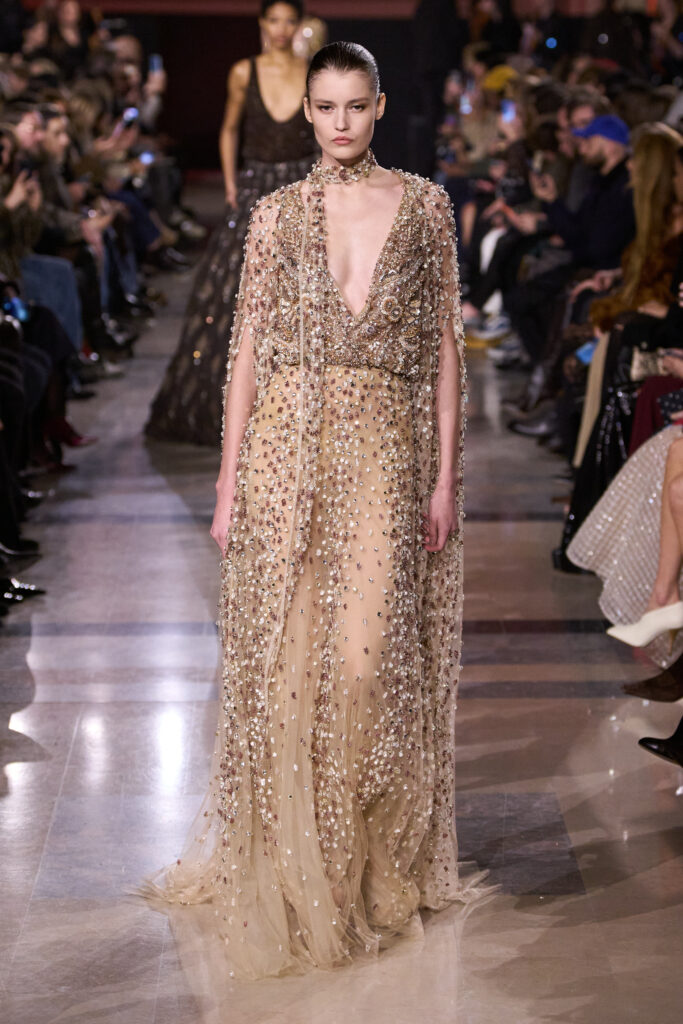
Elie Saab stayed firmly within his couture stronghold, delivering a collection defined by meticulous embroidery, lace, and shimmering beadwork. The silhouettes were designed for red-carpet impact, balancing romantic softness with architectural structure. Elie Saab’s offering reaffirmed the enduring appeal of high-glamour couture executed with precision.
GAURAV GUPTA
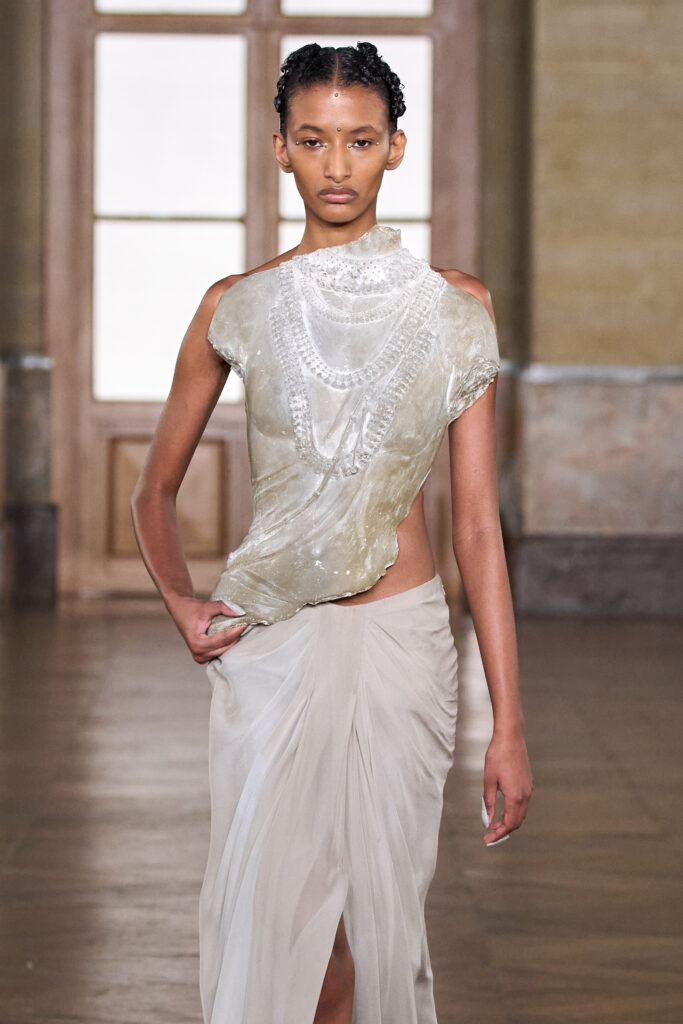
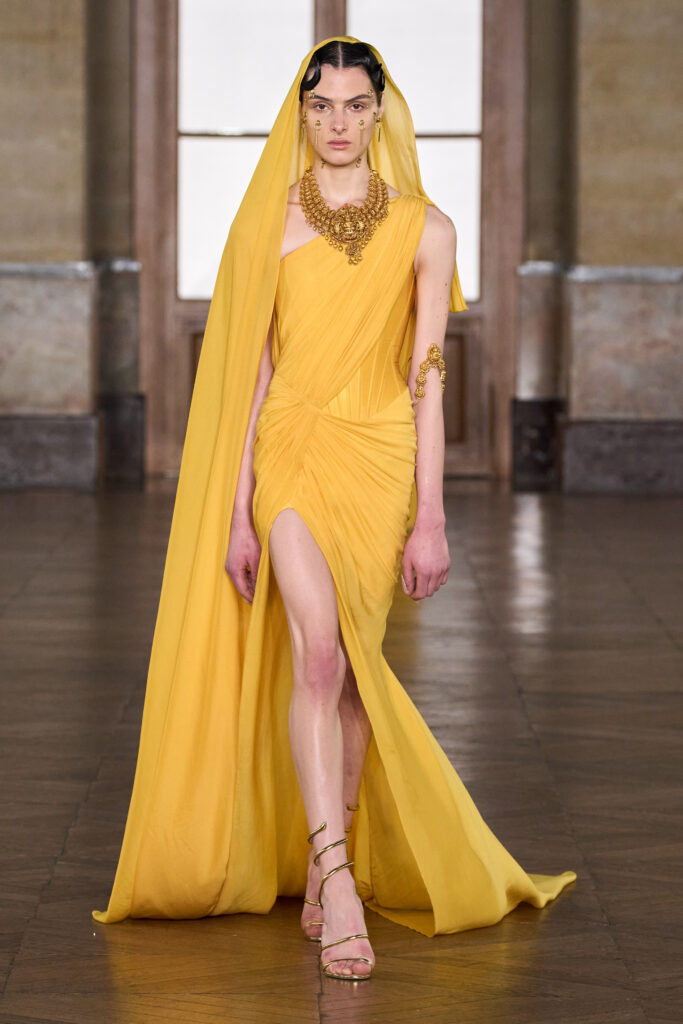
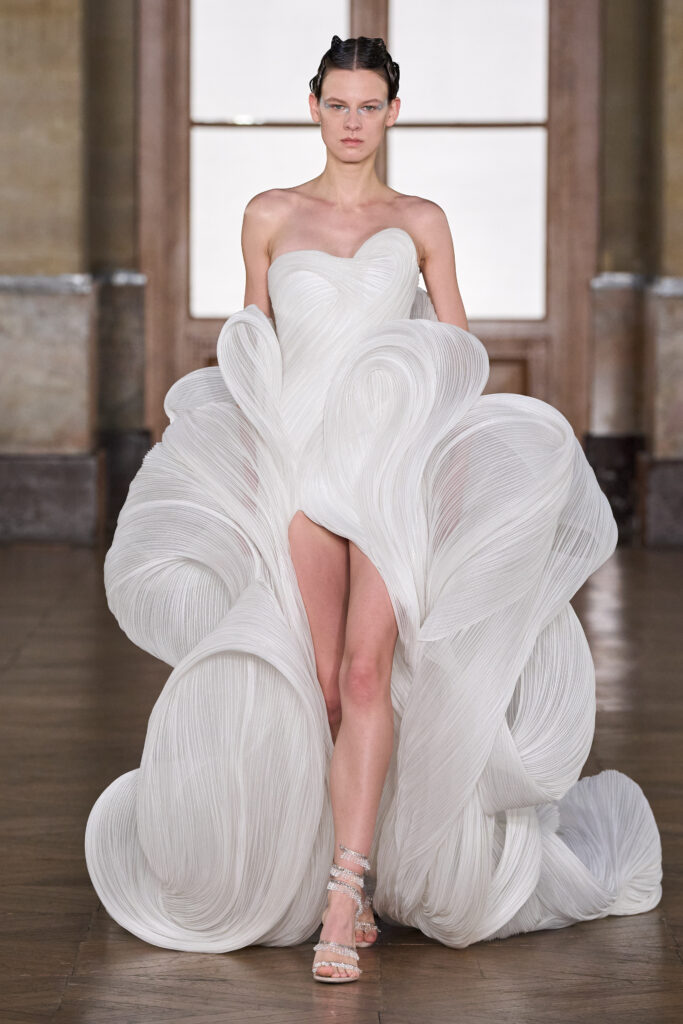
Gaurav Gupta’s Spring/Summer 2026 couture collection brought a sculptural intensity to Paris, rooted in ideas of balance and identity rather than surface drama. The collection explored fluidity between masculine and feminine energy, expressed through body-hugging, architectural silhouettes that curved, wrapped, and framed the form. Signature metallic finishes, hand-worked embroidery, and molded shapes gave the garments a sense of movement even when still. Rather than relying on traditional couture tropes, Gupta focused on form and philosophy, using structure as storytelling.
GEORGES HOBEIKA
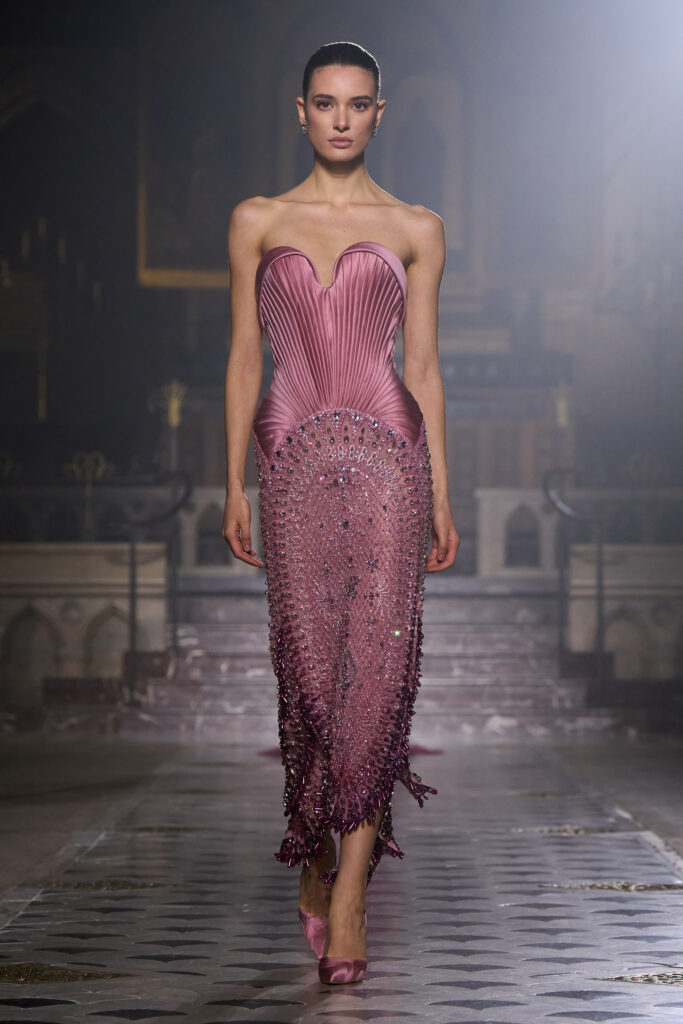
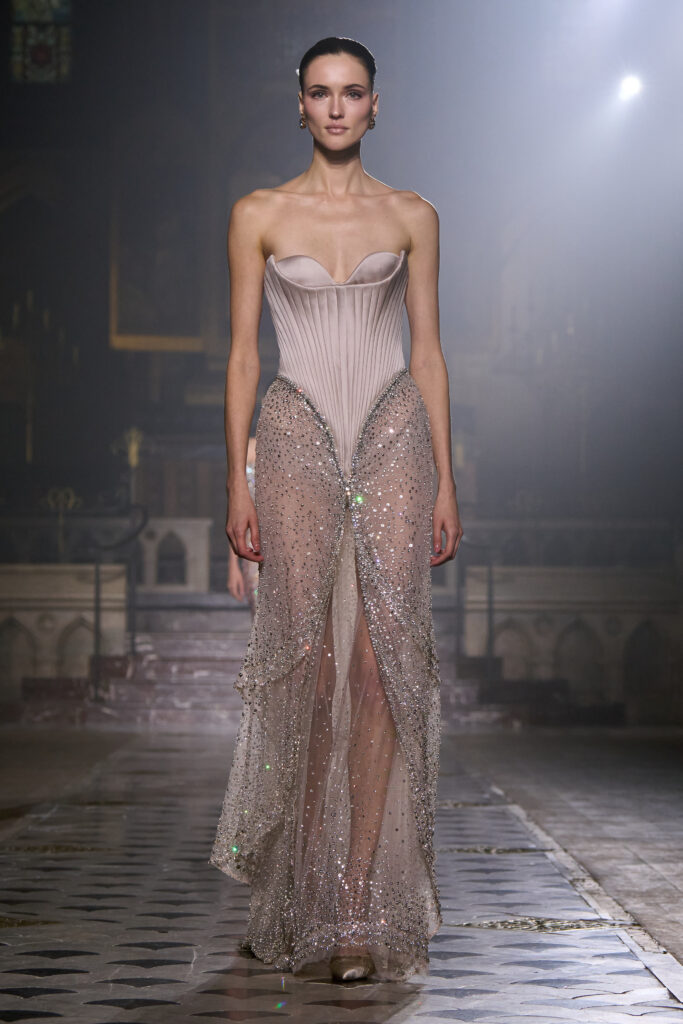
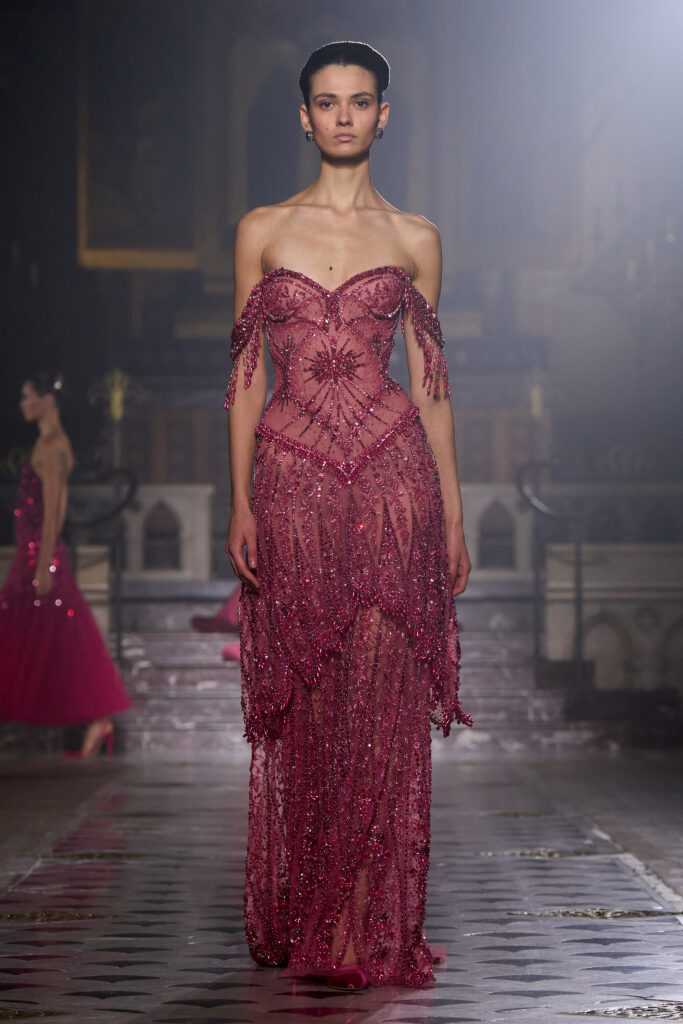
Georges Hobeika focused on ornamental beauty and craftsmanship, presenting couture defined by cascading florals, luminous fabrics, and intricate surface work. The collection emphasized elegance through detail, positioning couture as both decorative and technically precise.
ZUHAIR MURAD
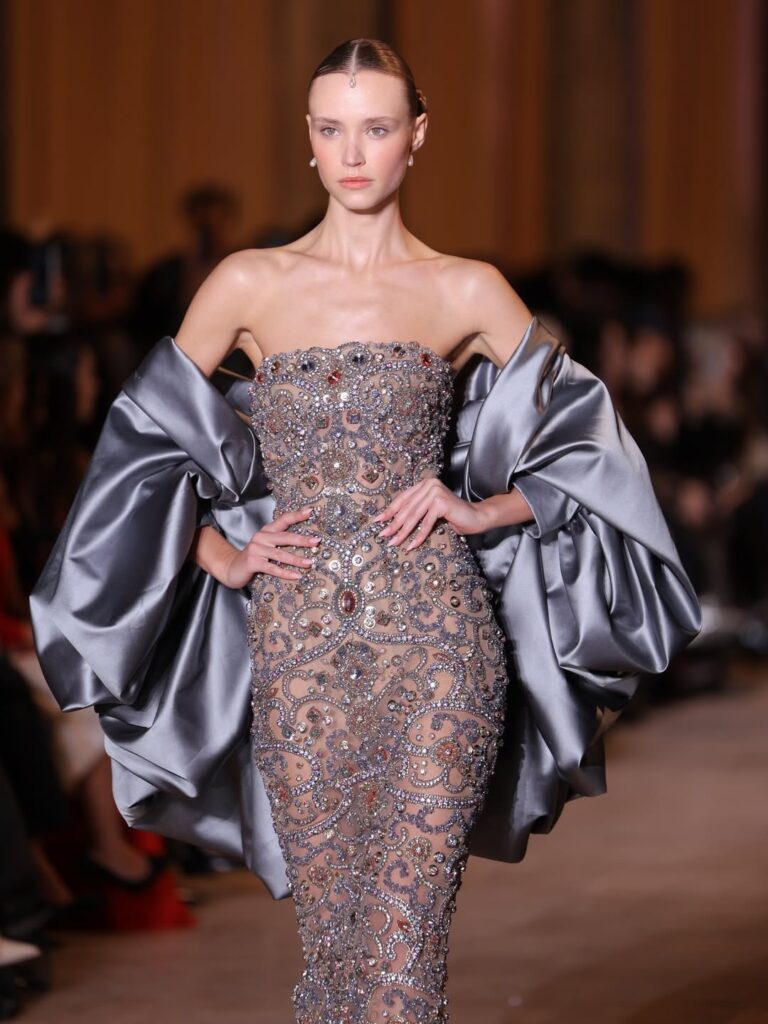
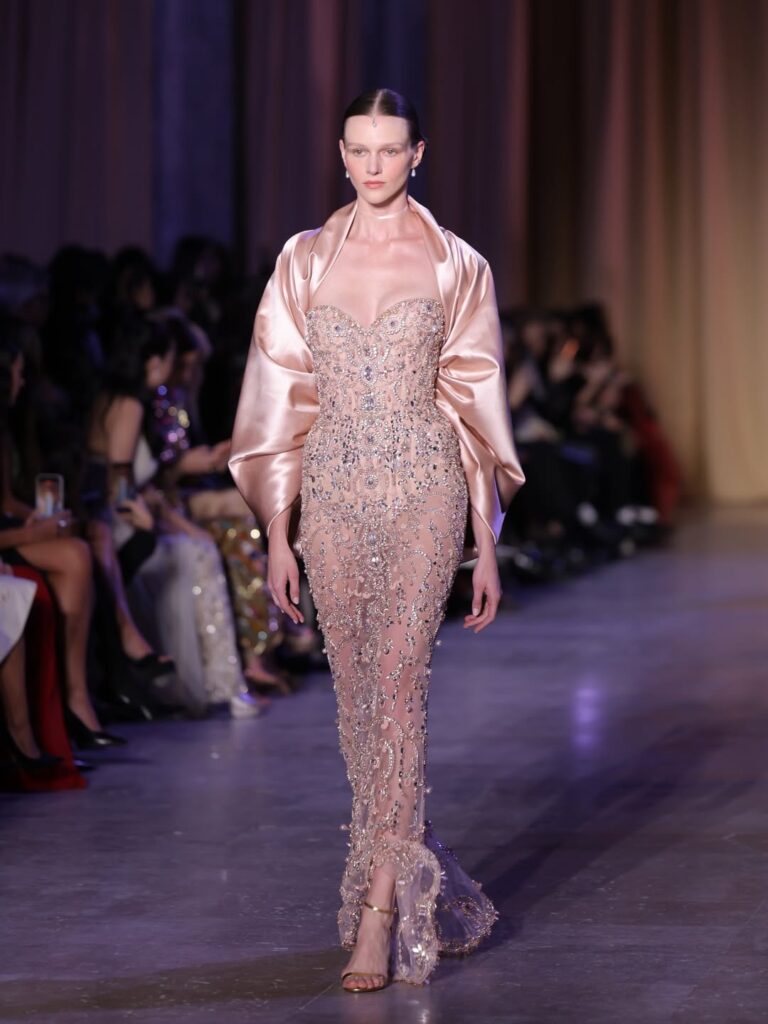
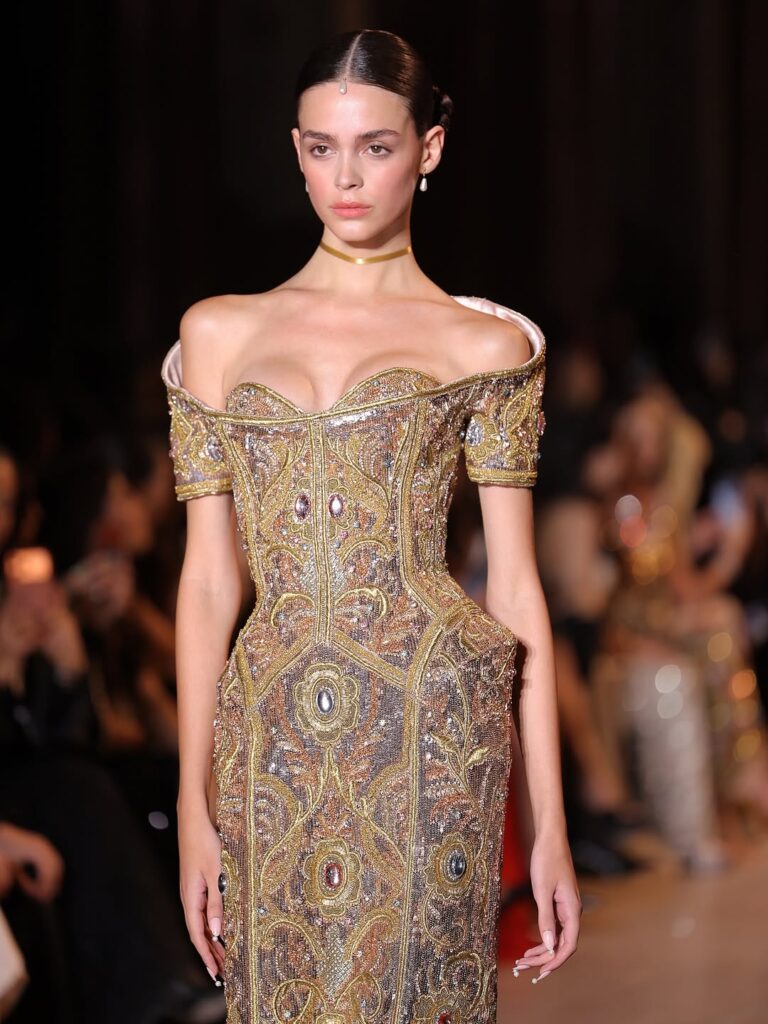
Zuhair Murad’s Spring/Summer 2026 couture collection stayed firmly rooted in what he does best: high-impact eveningwear built on intensive handcraft. The collection focused on embellished gowns and structured silhouettes designed for formal, high-visibility moments, with detailed embroidery and surface work playing a central role. Rather than pushing a conceptual narrative, Murad leaned into refinement and precision, allowing craftsmanship to lead.
ALSO READ: RUNWAY RECAP: ALL THE HIGHLIGHTS FROM PARIS MEN’S FASHION WEEK FALL/WINTER 2026.