Valentino Garavani, the designer who built a vision of beauty so exacting it became a language of its own, died yesterday in Rome. He was 93.
For more than six decades, Valentino occupied a singular position in fashion. For more than six decades, Valentino stood as a quiet counterpoint to fashion’s appetite for noise. While trends rose and collapsed around him, he pursued timeless elegance. His work was defined by control and precision, by an insistence on balance and proportion, and by a belief that beauty was something to be sustained rather than constantly reimagined.
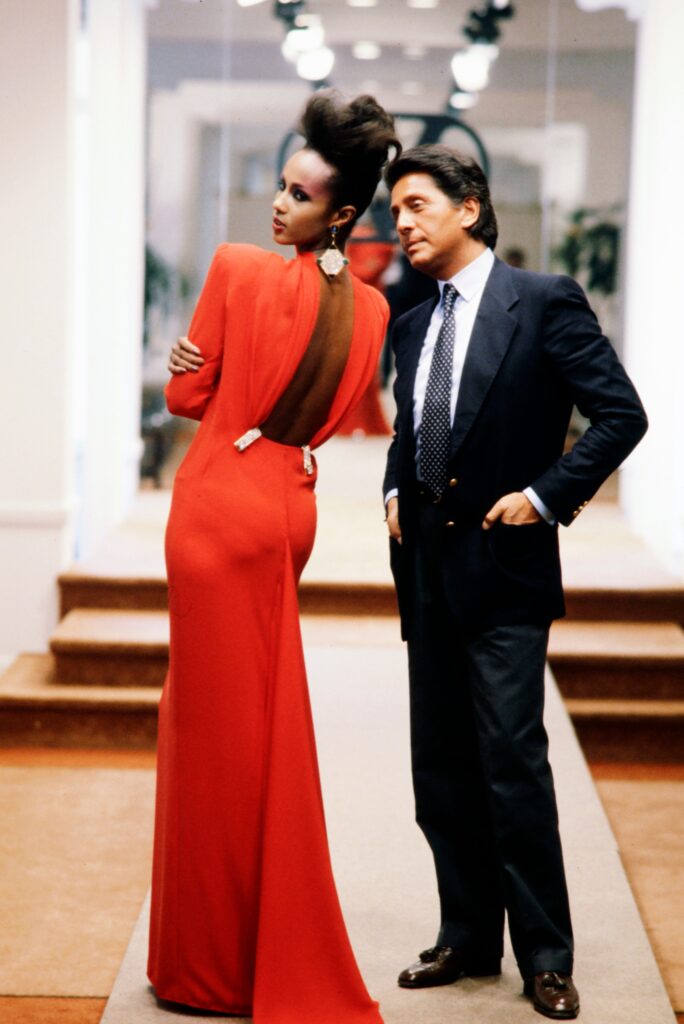
Born in Voghera, a small town in northern Italy, Valentino showed an early devotion to dressmaking that took him first to Paris, where he trained at the École de la Chambre Syndicale and worked under Jean Dessès and Guy Laroche. Paris gave him discipline. Rome gave him identity. When he returned to Italy and opened his atelier on Via Condotti in 1960.
Valentino’s breakthrough came in 1962 with a Florence runway show that introduced international buyers to his precise silhouettes and confident use of color. From that moment on, his rise was steady and deliberate. He dressed empresses of society and heads of state, movie stars and heiresses, women who wanted their clothes to speak softly but unmistakably.
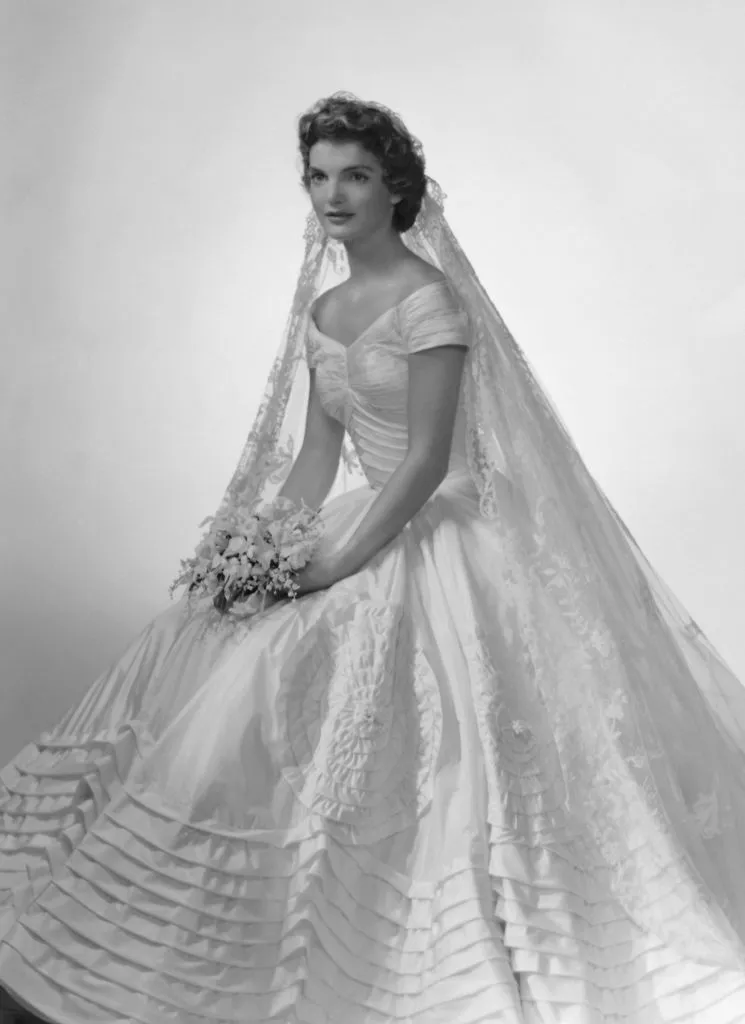
Valentino’s relationship with his clients was deeply personal. Perhaps no association was more emblematic than his bond with Jacqueline Kennedy Onassis, who entrusted him with her wedding dress for her marriage to Aristotle Onassis in 1968. The gown, ivory and spare, encapsulated his gift for understatement and sealed his place in fashion history.
That same year, Valentino received the Neiman Marcus Award, then considered fashion’s highest honor, placing him alongside Christian Dior and Yves Saint Laurent. It was an acknowledgment not only of commercial success, but of cultural impact.
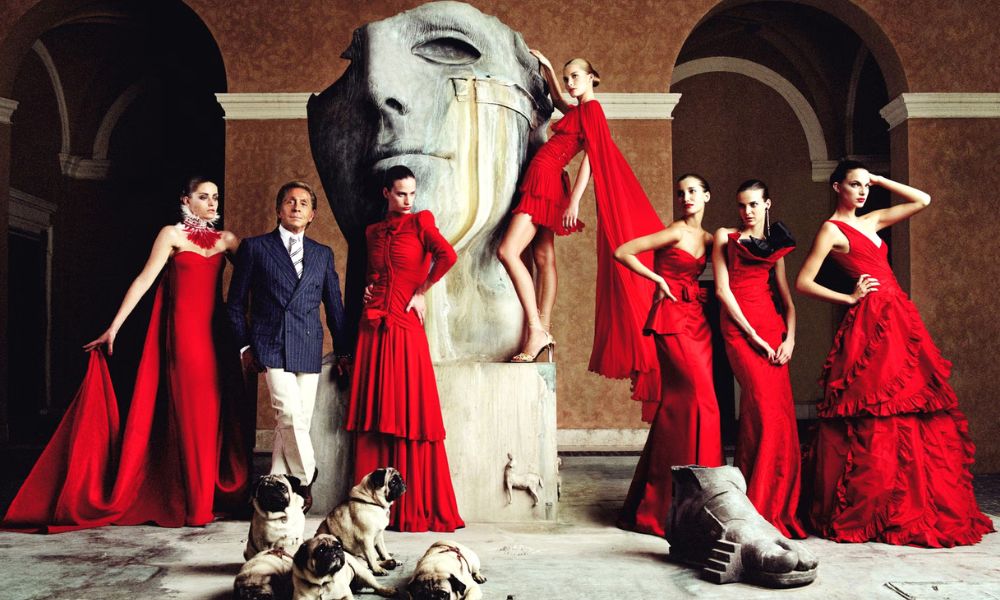
Central to that impact was color. No element of his legacy is more instantly recognizable than the shade that came to be known simply as “Valentino Red.” It was not one red but many, calibrated by eye rather than formula, and chosen, as he often said, because it made women look radiant. Over time, it became his signature.
His couture presentations were among the most anticipated events on the fashion calendar. Staged in Rome, Paris, and occasionally in historic settings that underscored the grandeur of his vision, these shows emphasized craftsmanship at a level increasingly rare.
The 1970s and 1980s saw the house expand while maintaining its couture foundation. Ready-to-wear collections introduced his codes to a wider audience without abandoning the principles that defined his work. Evening gowns with architectural bodices, fluid day dresses cut with precision, and tailoring that respected the body rather than imposing upon it became hallmarks of the brand. While others chased youth culture, Valentino remained committed to women who dressed with intention.
One of the most memorable shows was his 45th anniversary couture show in Rome in 2007, attended by international royalty, longtime clients, and fashion insiders who understood they were witnessing the closing of an era.
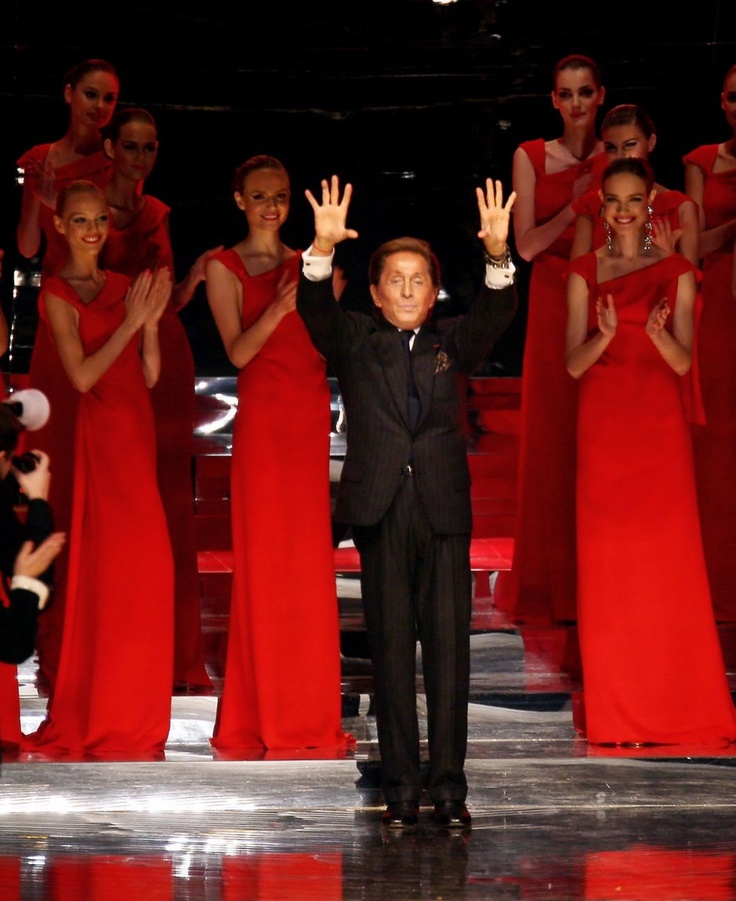
His final haute couture show, presented in Paris in January 2008, served as a measured farewell. Models moved through the salon in gowns that revisited the vocabulary Valentino had perfected: sweeping capes, hand-embroidered florals, sculptural black-and-white compositions, and, inevitably, red.
Beyond the runway, Valentino helped define what modern luxury could look like when rooted in craft. He championed Italian workmanship at a time when the country’s fashion identity was still forming, and he did so with unwavering standards. The house that bears his name became synonymous with precision, patience, and an almost ceremonial respect for beauty.
To speak of Valentino Garavani is to speak of a designer who believed that clothes could be an act of care. His contribution to fashion cannot be measured solely in silhouettes or colors. Valentino offered an alternative philosophy, one rooted in respect for the craft, for the client, and for the idea that beauty, when handled seriously, does not expire.
ALSO READ: WHAT PEOPLE WORE TO THE MILAN MEN’S FASHION WEEK FALL/WINTER 2026.