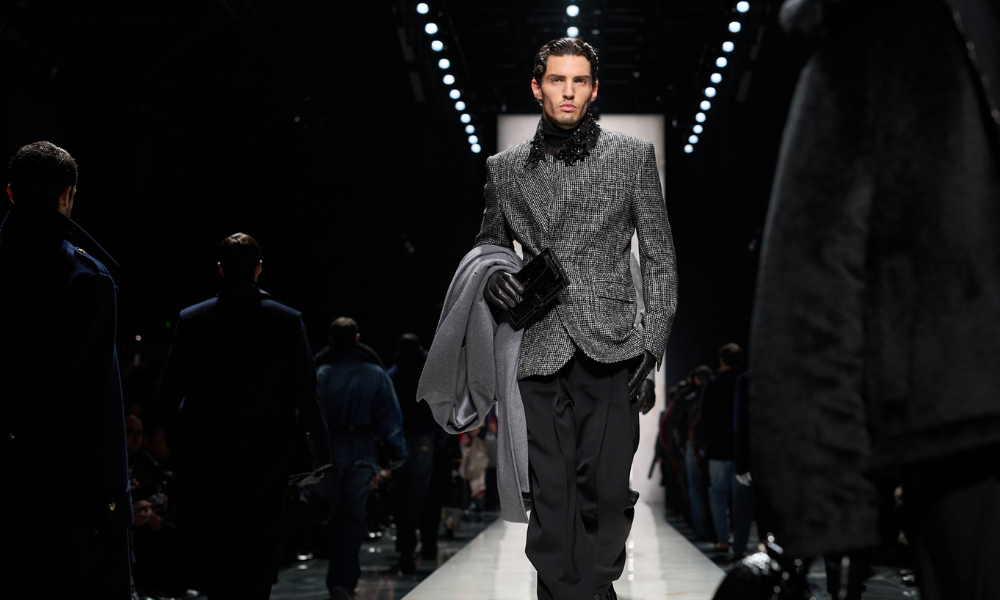
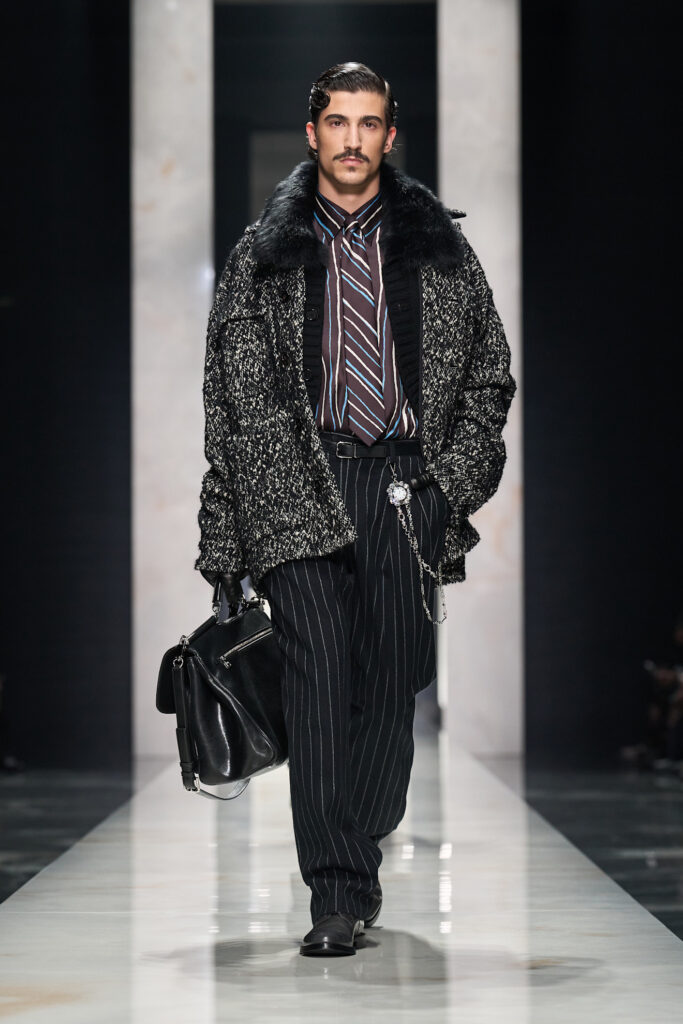
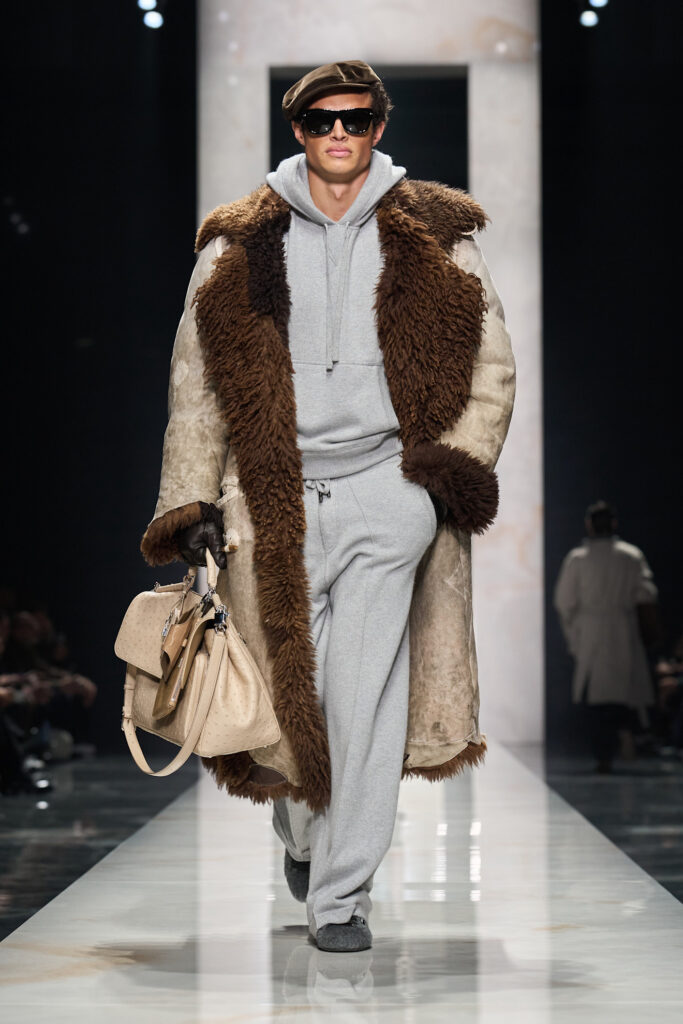
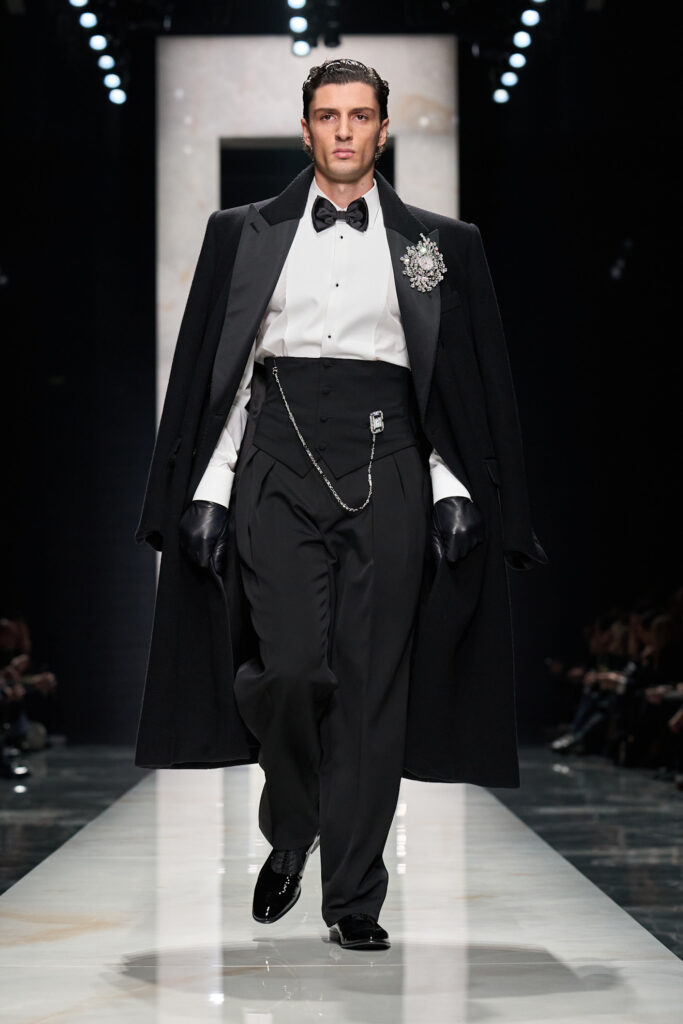
Following Dolce & Gabbana’s latest men’s show, social media erupted with criticism, commentary, and a familiar sense of déjà vu. At first glance, the collection itself wasn’t the issue. The tailoring was sharp, the silhouettes unmistakably D&G, and the codes the brand has built its empire on were very much intact. Yet the conversation quickly shifted away from the clothes and toward something far more charged: representation, awareness, and history.
So why this reaction, and why now?
A SHOW SEEN THROUGH A 2026 LENS
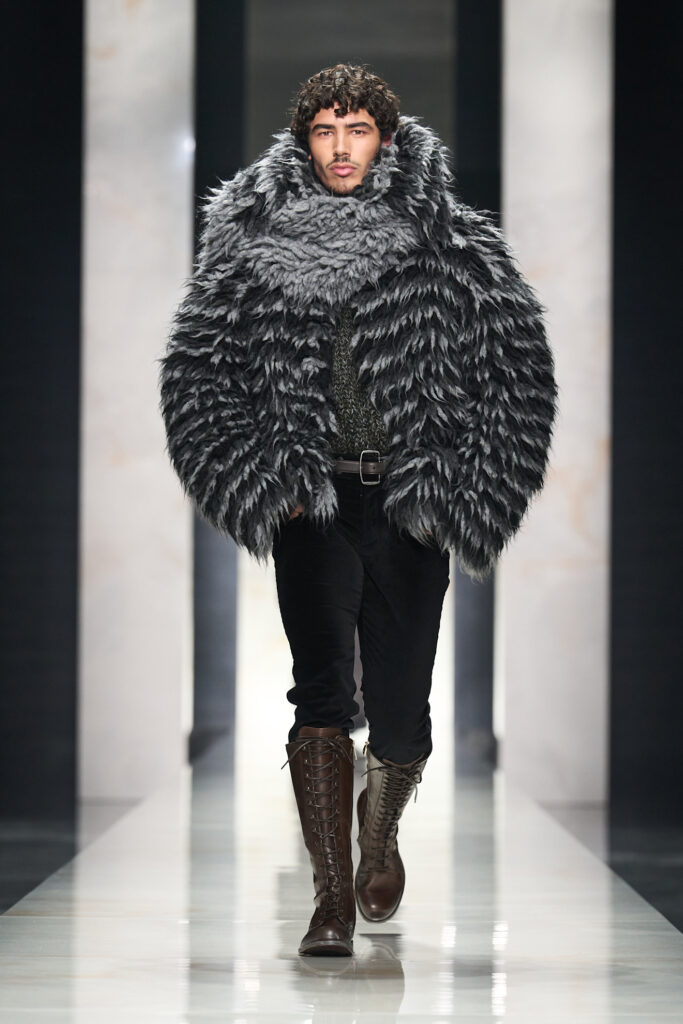
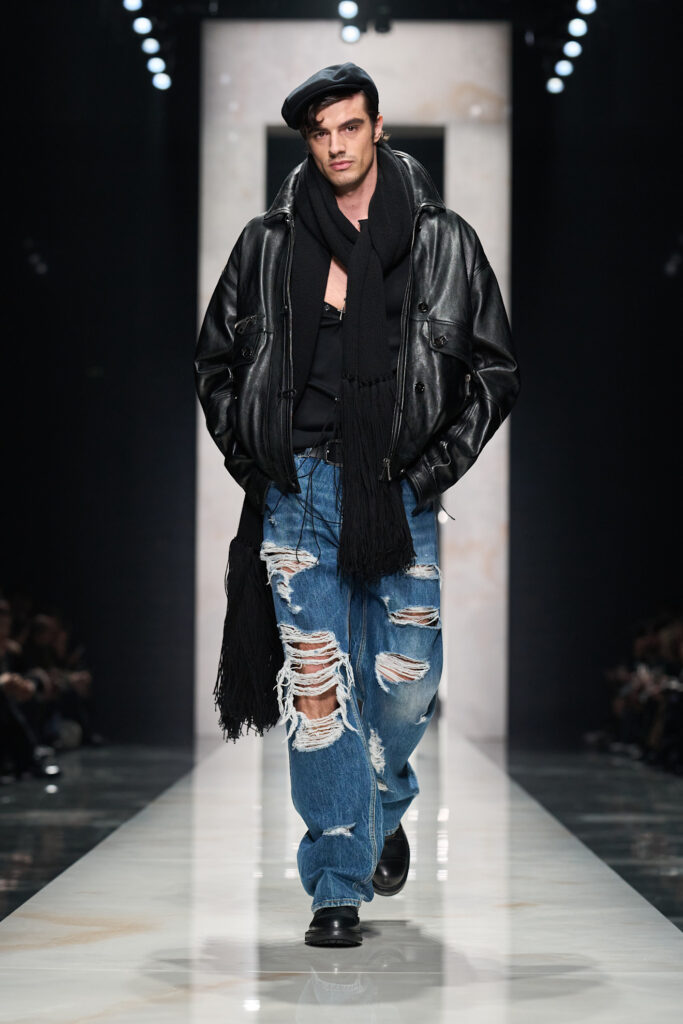
In an industry increasingly vocal about inclusivity and global representation, audiences were quick to point out the homogeneity of the runway casting. The men’s show, presented during Milan Fashion Week, featured a lineup that many felt didn’t reflect the diversity of today’s fashion landscape, or its audience.
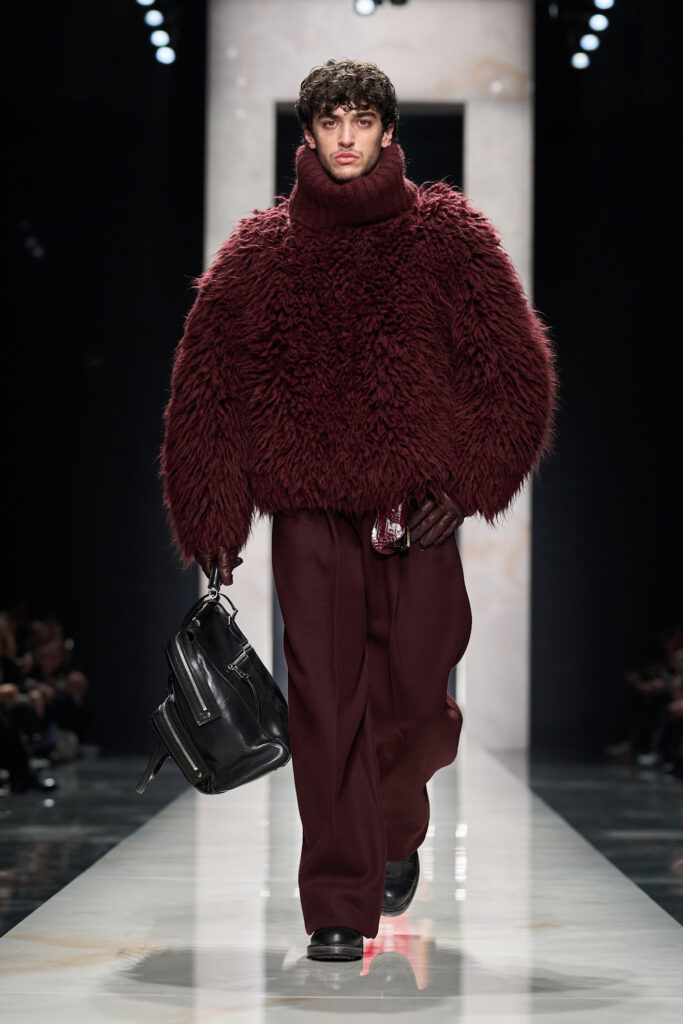
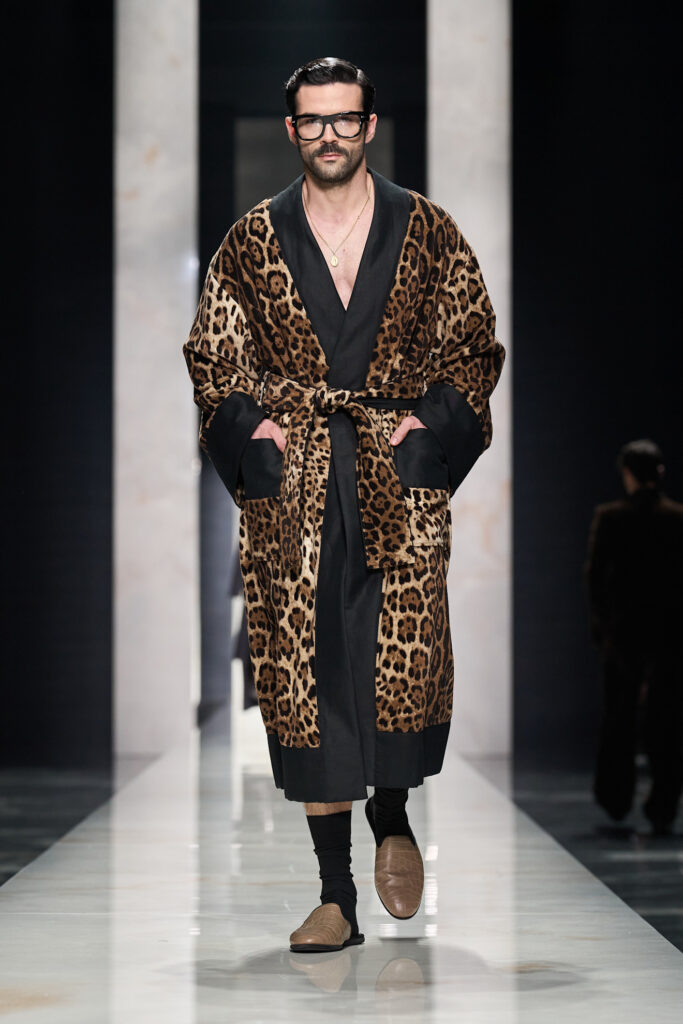
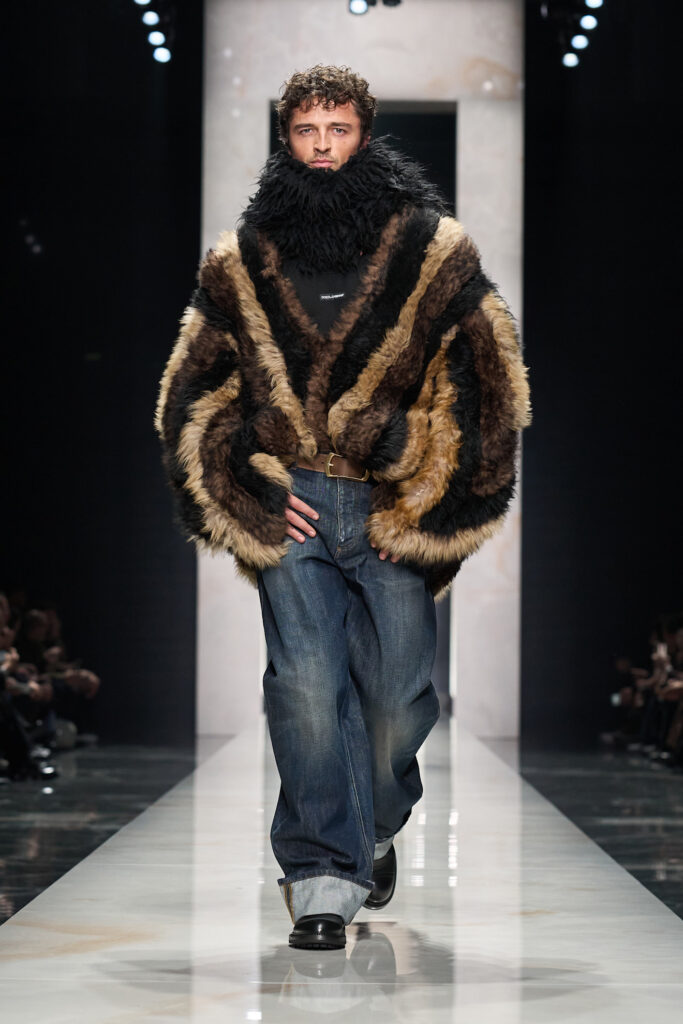
In isolation, this might have sparked mild critique. But Dolce & Gabbana doesn’t exist in isolation.
THE WEIGHT OF PAST CONTROVERSIES
The backlash cannot be separated from the brand’s long-standing and well-documented history of cultural missteps. From racially insensitive campaigns to public statements that alienated entire communities, Dolce & Gabbana has, over the years, accumulated cultural baggage that makes every move more closely scrutinized than most.
For many critics, the men’s show didn’t feel like an innocent oversight, it felt like a continuation of a pattern. And in the age of social media, patterns are rarely forgiven.
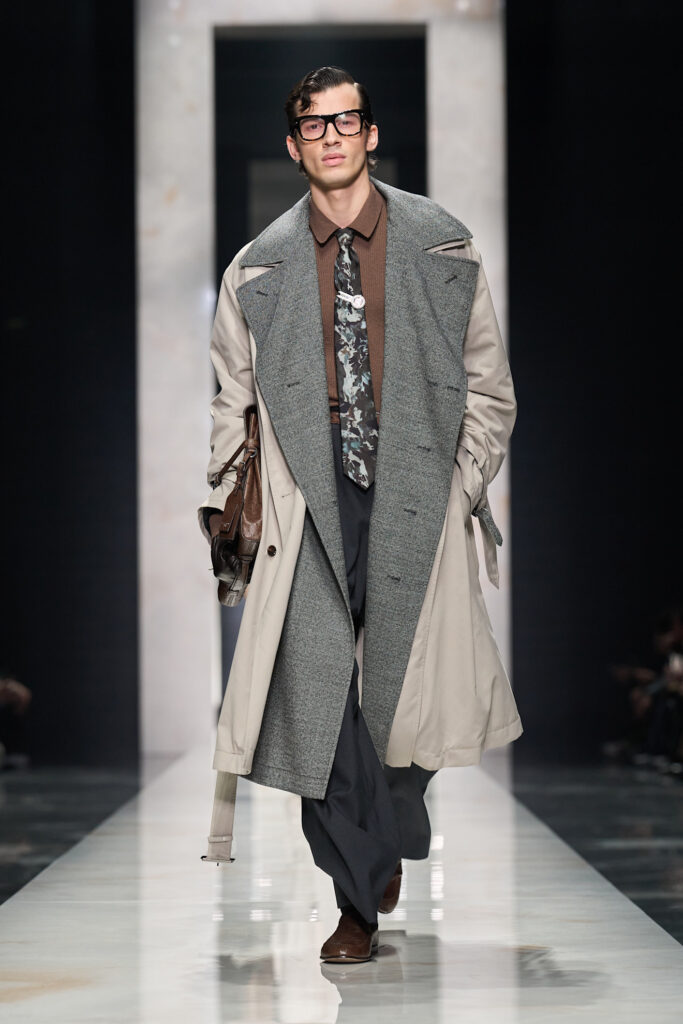
WHY THE RESPONSE WAS SO LOUD
Fashion audiences today are more informed, more vocal, and less willing to separate aesthetics from ethics. What once might have been brushed aside as a “creative choice” is now examined as a statement, intentional or not.
Add to that the amplification power of digital platforms and fashion watchdogs, and the reaction becomes inevitable. The show became less about garments and more about what, and who, was missing from the narrative.
IS THIS CANCEL CULTURE OR CULTURAL ACCOUNTABILITY?
That’s where opinions divide.
Some argue that the backlash reflects an unfair expectation for every brand to conform to a universal standard of representation. Others believe that houses with global influence carry a responsibility to evolve with the world they profit from.
What’s clear is this: Dolce & Gabbana’s name alone now triggers a cultural reckoning. The brand is no longer judged solely on its craftsmanship or aesthetic, but on its awareness, or perceived lack thereof.
THE REAL TAKEAWAY
This moment says as much about fashion’s shifting values as it does about Dolce & Gabbana. The men’s show became a mirror reflecting broader industry tensions: tradition versus progress, heritage versus relevance, intent versus impact.
Whether the brand responds or remains silent, one thing is certain, in today’s fashion climate, every runway is a conversation, and not all of them are about clothes.
OUR FINAL TAKE
Despite the conversation the show sparked, there’s no denying the brilliance on the runway. The #DGFW26 Men’s Fashion Show is a manifesto of individuality, celebrating the unique identity of every man. Dolce & Gabbana’s signature aesthetic takes center stage, shaping a clearly recognizable masculine essence. The codes that have defined the house since the 1990s dominate the runway, creating a gallery of identities, each distinct, each deserving its portrait.
Every garment is a statement of character, every silhouette a tribute to authenticity. At BURO, we appreciate that while fashion must evolve and reflect the world around it, it can also celebrate heritage, craftsmanship, and creativity in ways that are timeless. The tailoring, styling, and overall vision of this collection reaffirm why Dolce & Gabbana continues to command attention, both on the runway and in the conversation that follows.
ALSO READ: THE SCOOP: MANOLO BLAHNIK AND BALENCIAGA’S JOINT VENTURE, AN INCLUSIVE BARBIE, AND MORE.