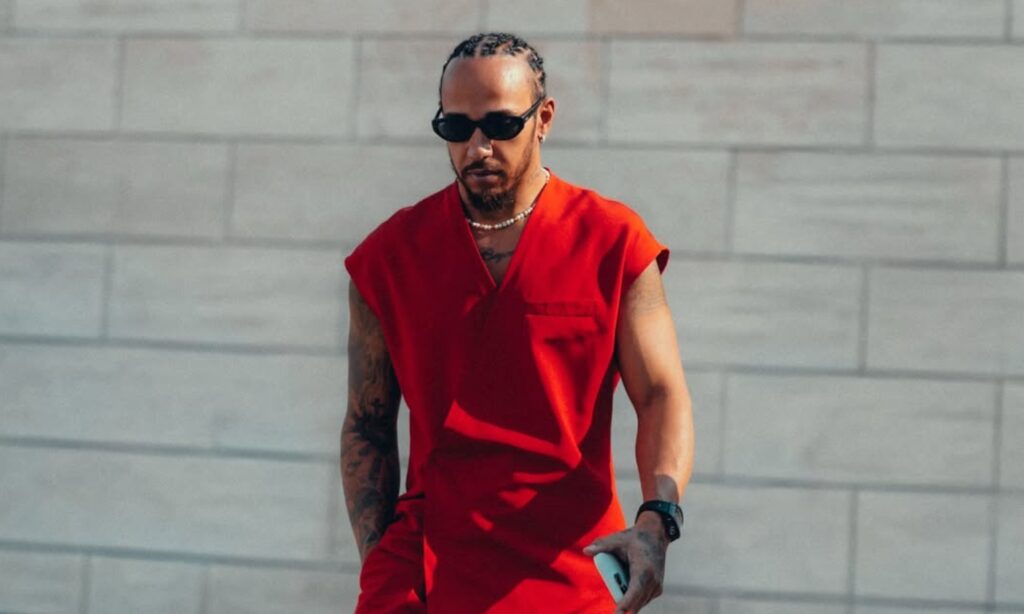
Lewis Hamilton is one of those very few people who require no introduction. Even if you know nothing about Formula 1, chances are you know his name or you are familiar with his style. Much is said about the seven-time world champion’s on-track achievements, and there are many of them. He is the only driver in F1 history to have won over 100 races, claimed more than 100 pole positions, stood on more than 200 podiums, and won races across 16 different seasons. He has led over 150 races, dominated the same Grand Prix nine times, and continued winning even after crossing the 300 race starts mark.
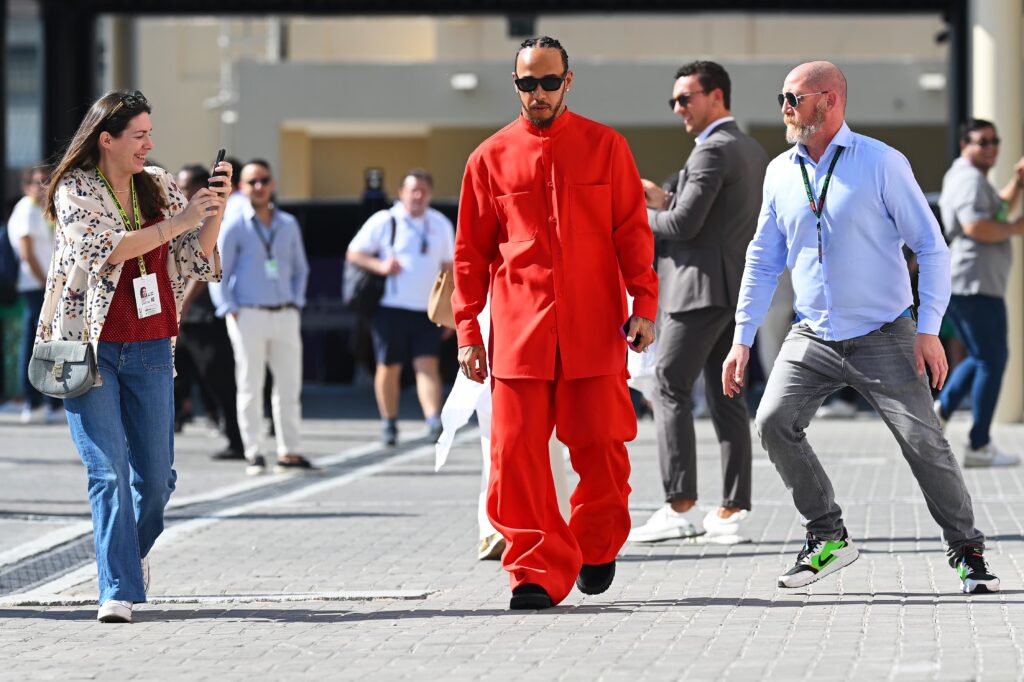
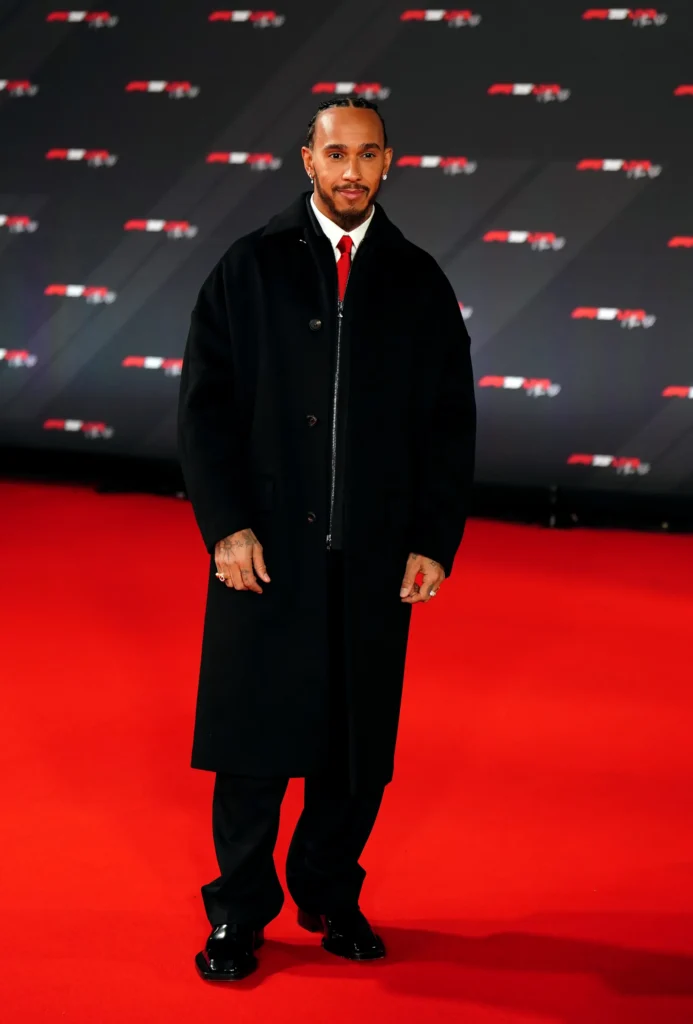
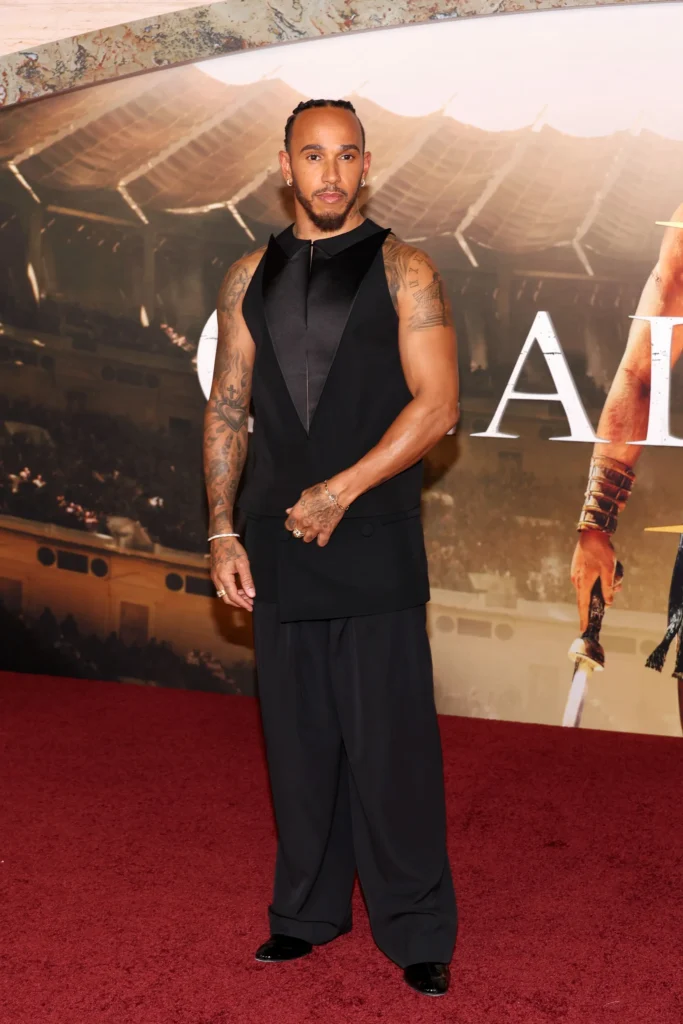
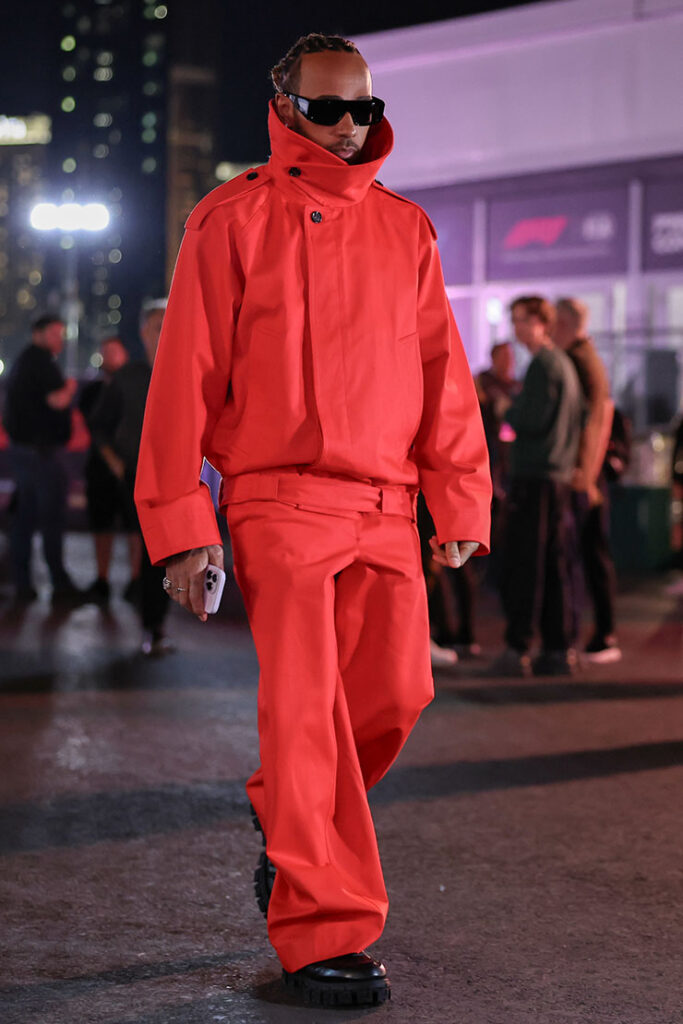
But Hamilton’s legacy does not stop at the chequered flag. He is also the rare athlete who reshaped the visual culture of his sport. The paddock, once rigid and uniform, became a place for expression, provocation, and personal authorship. Fashion was not an accessory to his success. It became part of the story.
When Hamilton entered Formula 1, the environment was conservative by design. Drivers were expected to blend in, dressed in team-issued uniforms or classic tailoring that reinforced hierarchy rather than individuality. Deviations were discouraged. Hamilton was questioned about his appearance, fined for jewelry, and asked to cover his tattoos.
Instead of retreating, Hamilton pushed back. Clothing became his way of reclaiming agency in a space that was not built with difference in mind. His looks were never about shock for the sake of attention. They were deliberate, thoughtful, and increasingly confident. Over time, the paddock shifted. What was once seen as a distraction became an influence.
The turning point came in 2018, when Hamilton entered a creative partnership with Tommy Hilfiger. Unlike typical ambassador roles, this collaboration placed Hamilton inside the design process. He weighed in on fabrics, silhouettes, washes, and details. The TommyXLewis collections introduced a hybrid language that merged streetwear with tailoring, masculinity with softness, and performance culture with personal symbolism.
His lucky number 44 appeared throughout the collections. Gothic lettering referenced his tattoos. By the third season, the designs expanded into unisex territory, reflecting his awareness of how gender expression was evolving within fashion. The collaboration reframed how an athlete could participate in fashion, not as a face, but as a creative force.
Hamilton’s relationship with Dior deepened this narrative. Beginning with a lifestyle capsule in 2024, the collaboration evolved into a collection shaped by Hamilton’s travels across Africa. References to Afrofuturism, craft, and movement were embedded into performance wear, tailoring, and accessories. Leopard-print tweeds, metallic-gradient sneakers, and sustainably made bags reflected not trends, but experiences.
These collections positioned Hamilton as a translator between worlds. Motorsport, fashion, and global Black culture did not exist as separate lanes in his work. They informed one another.
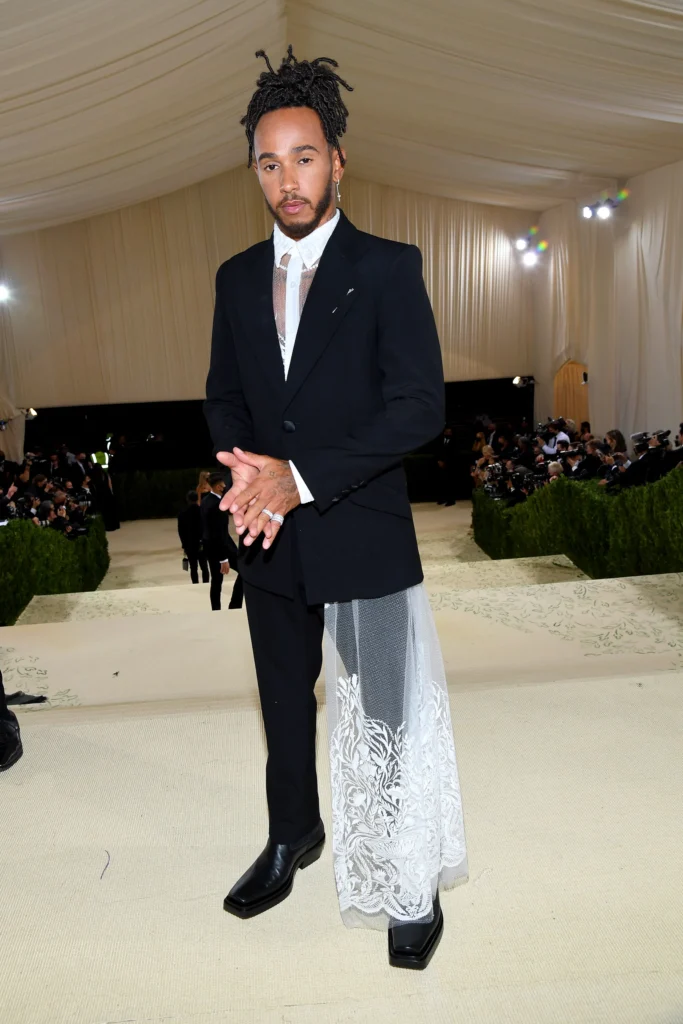
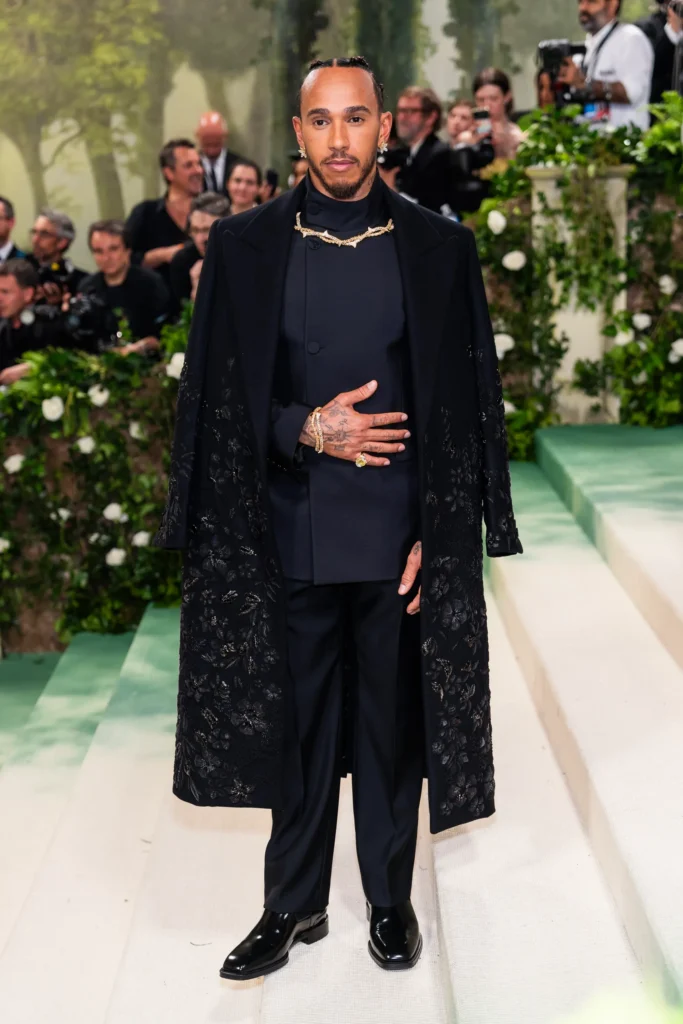
In 2025, Hamilton arrived at the Met Gala as a co-chair, wearing a custom look by Grace Wales Bonner, styled with a beret by Stephen Jones. The ensemble balanced ceremonial references with sharp tailoring. Cowrie shells and baobab flowers met diamonds and vintage jewelry. It was layered, intentional, and rooted in history.
This was Hamilton’s eighth Met Gala appearance, but the first that marked his arrival not as a guest, but as a cultural authority. He had spent years buying tables to bring designers into the room. His co-chair role felt earned, built through action rather than access.
His career will always be defined by championships and records. But his lasting influence may well be the way he expanded what an athlete is allowed to look like, stand for, and express.
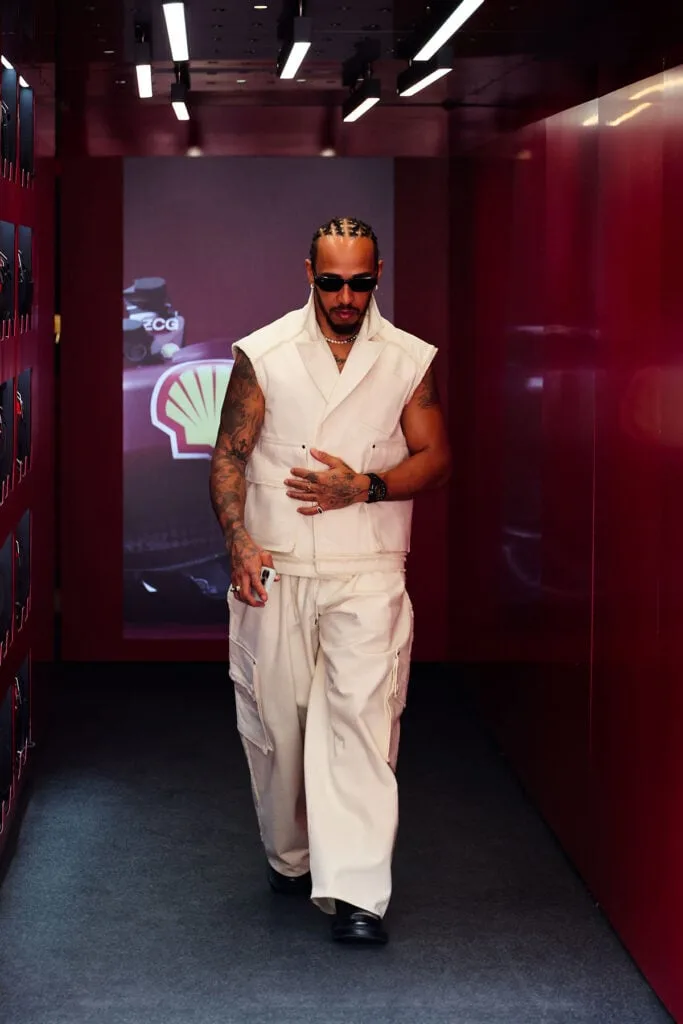
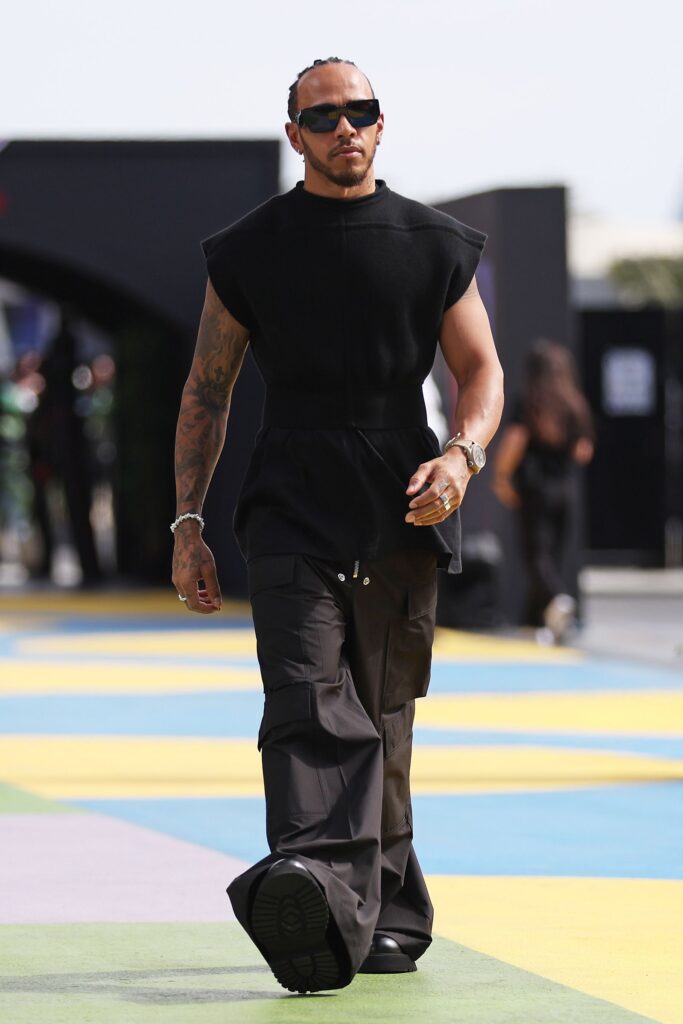
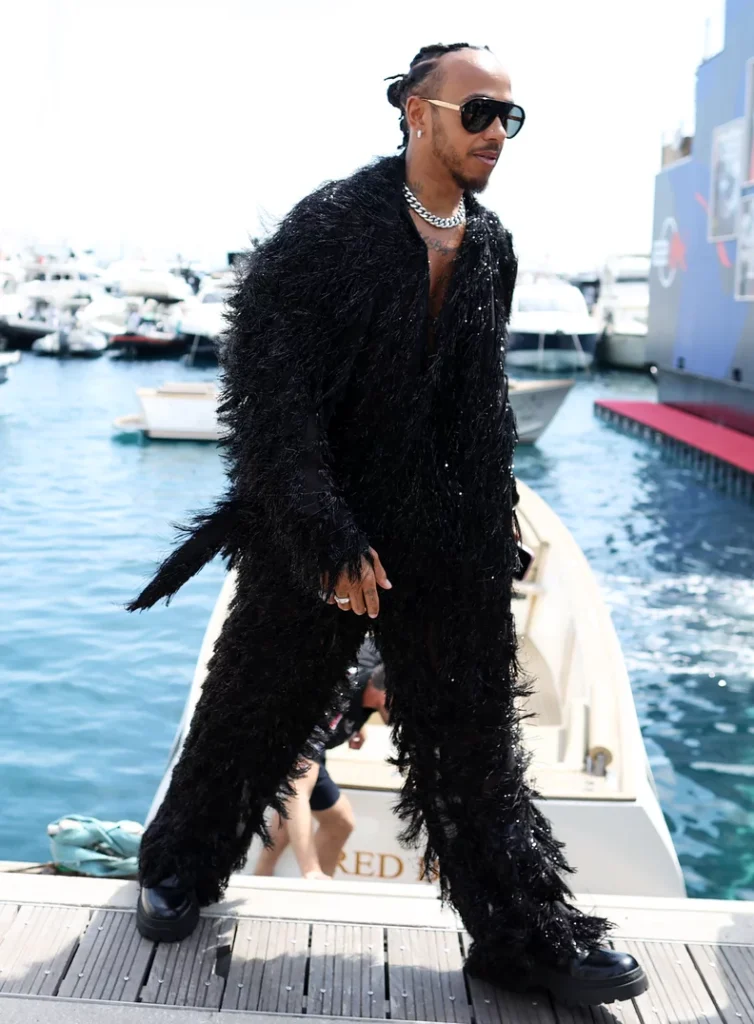
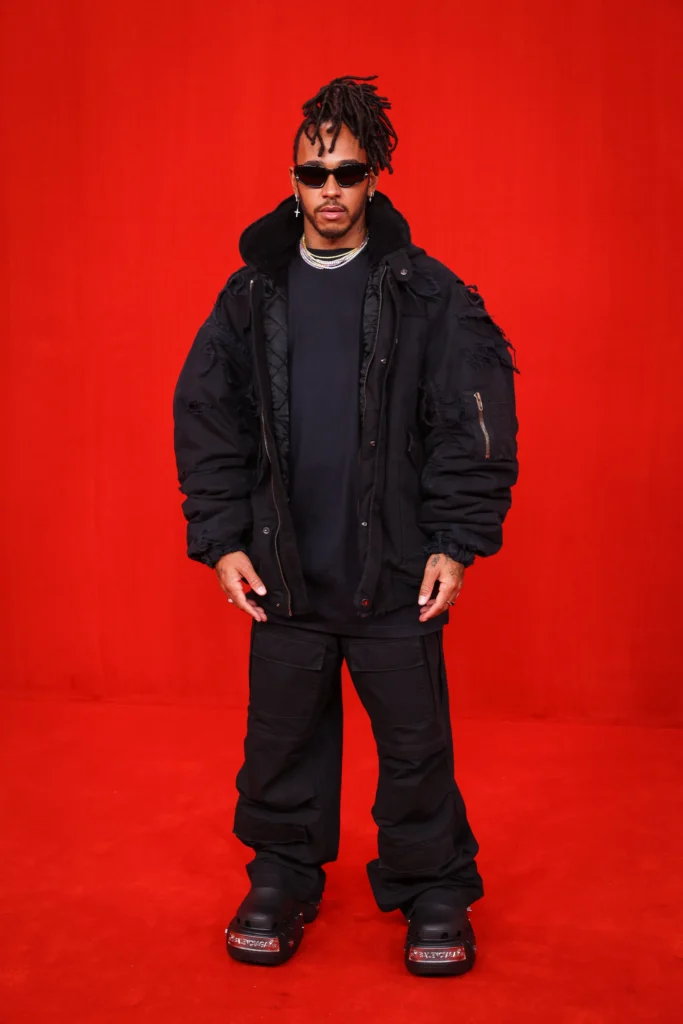
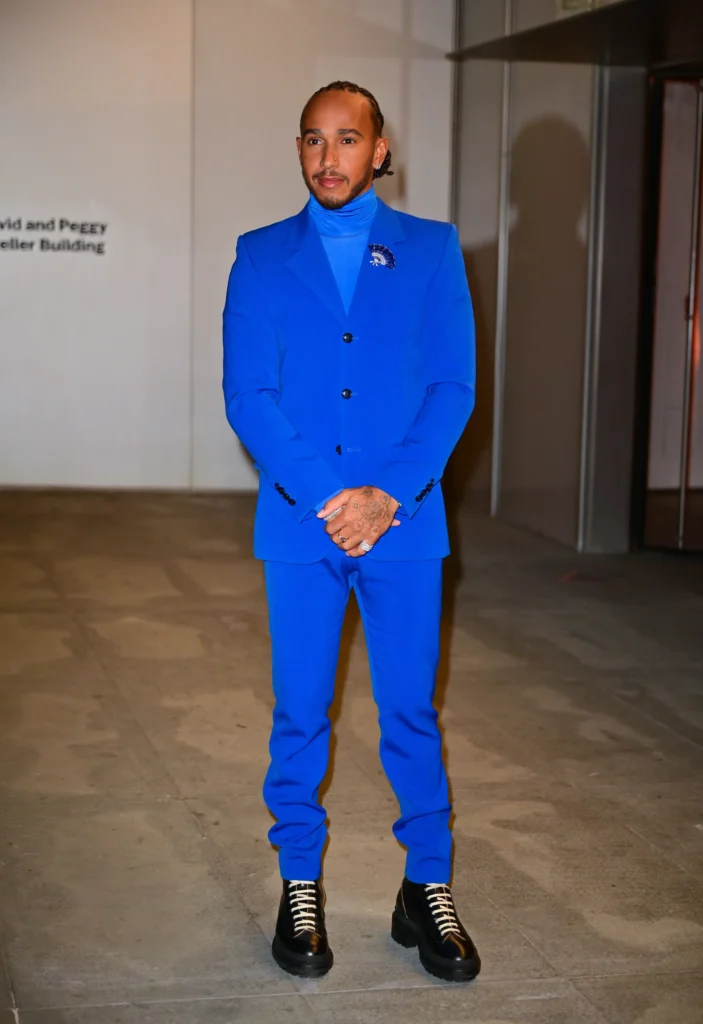
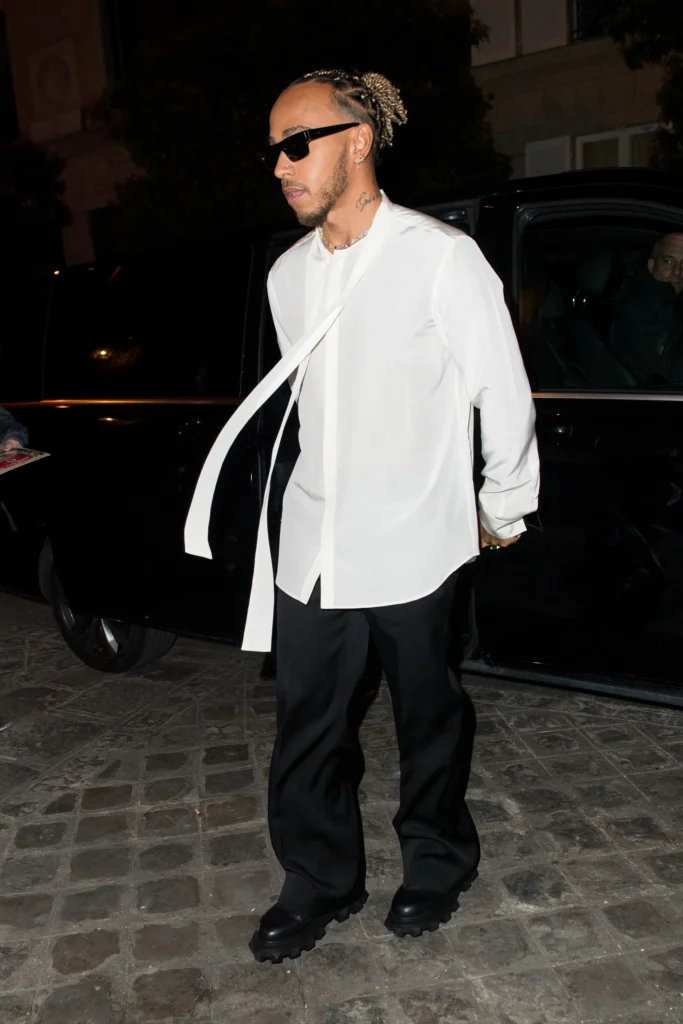
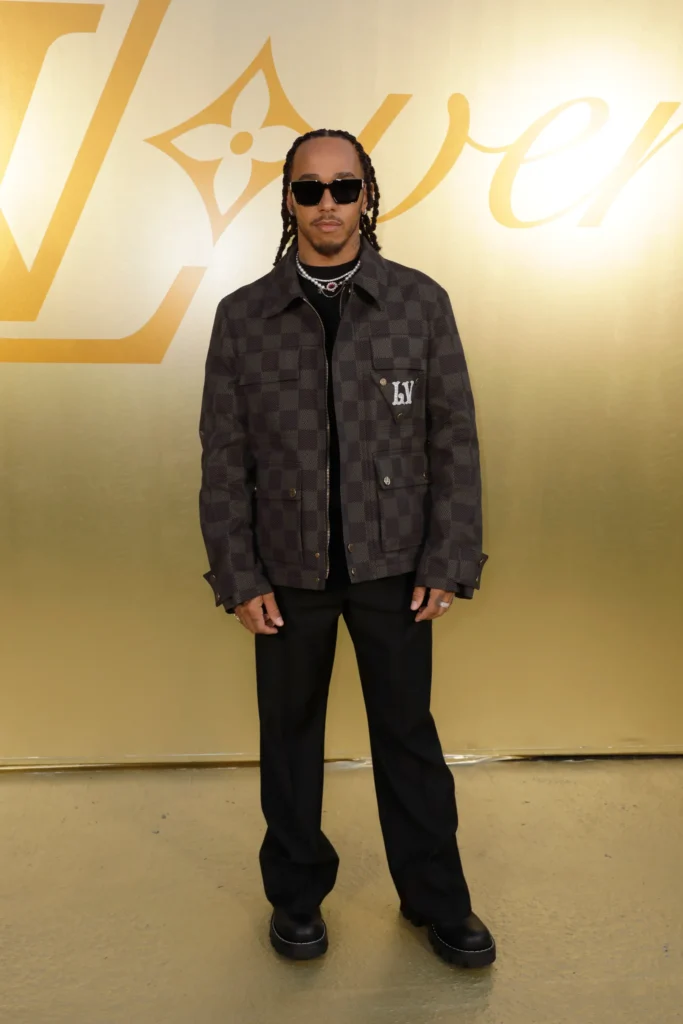
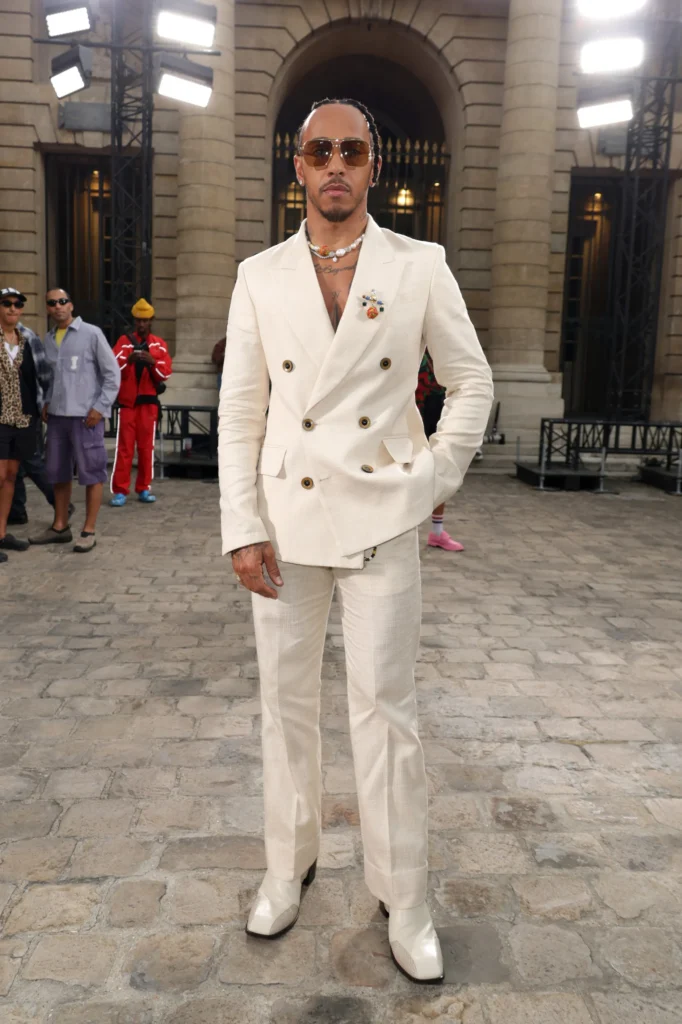
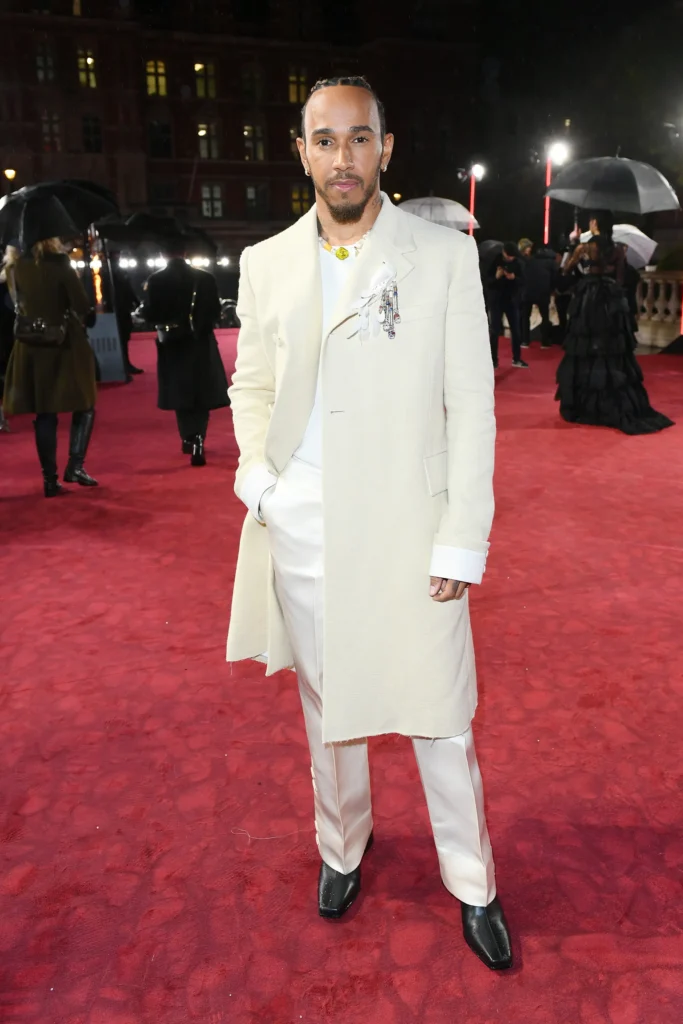
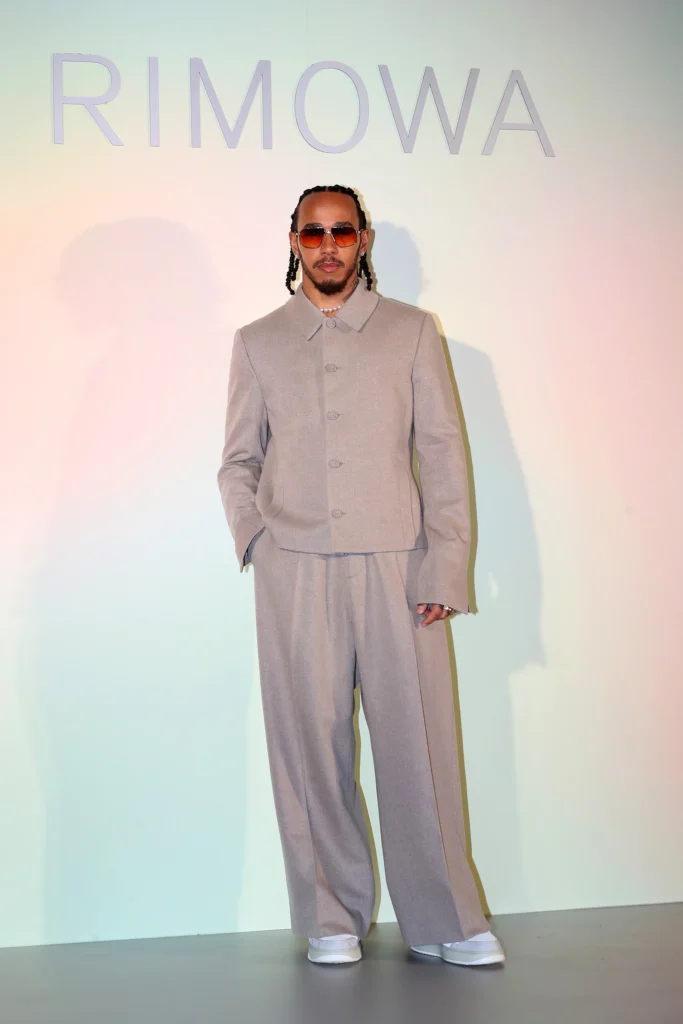
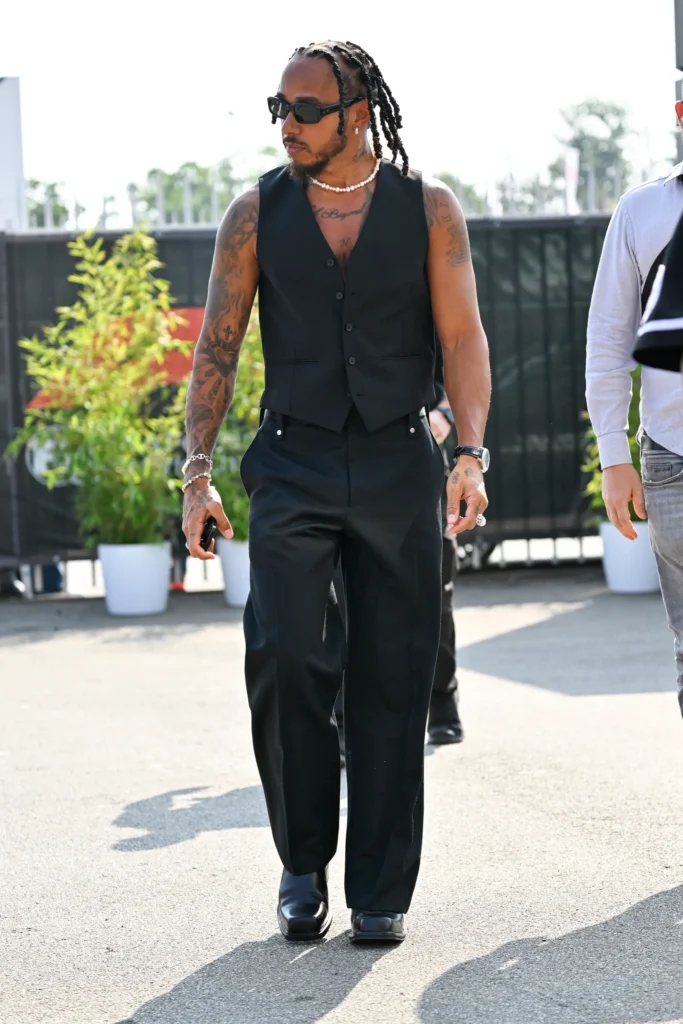
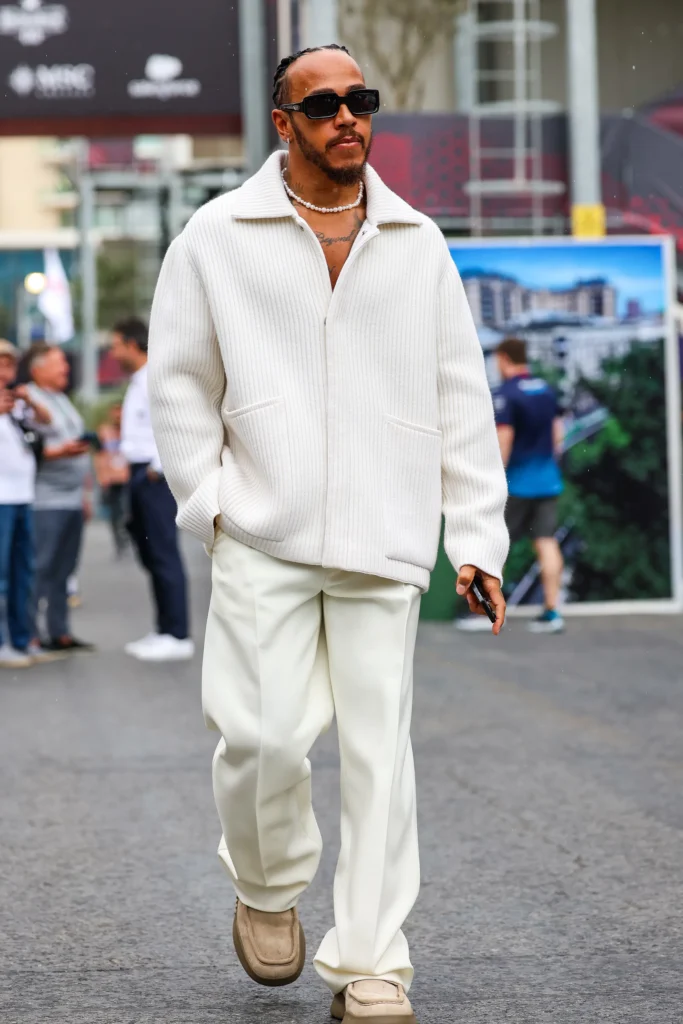
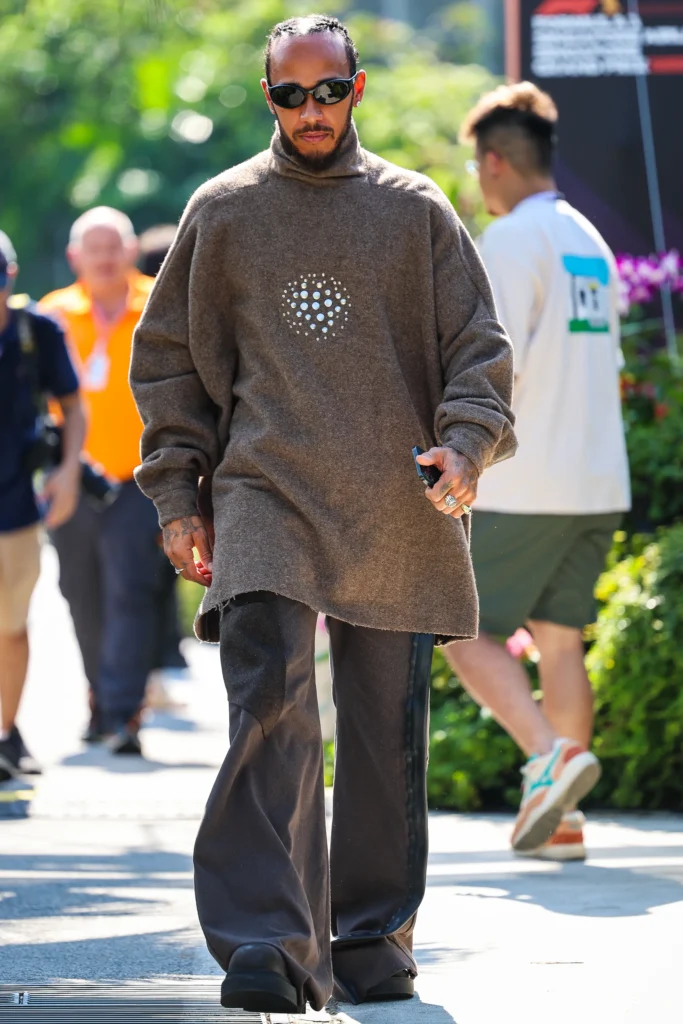
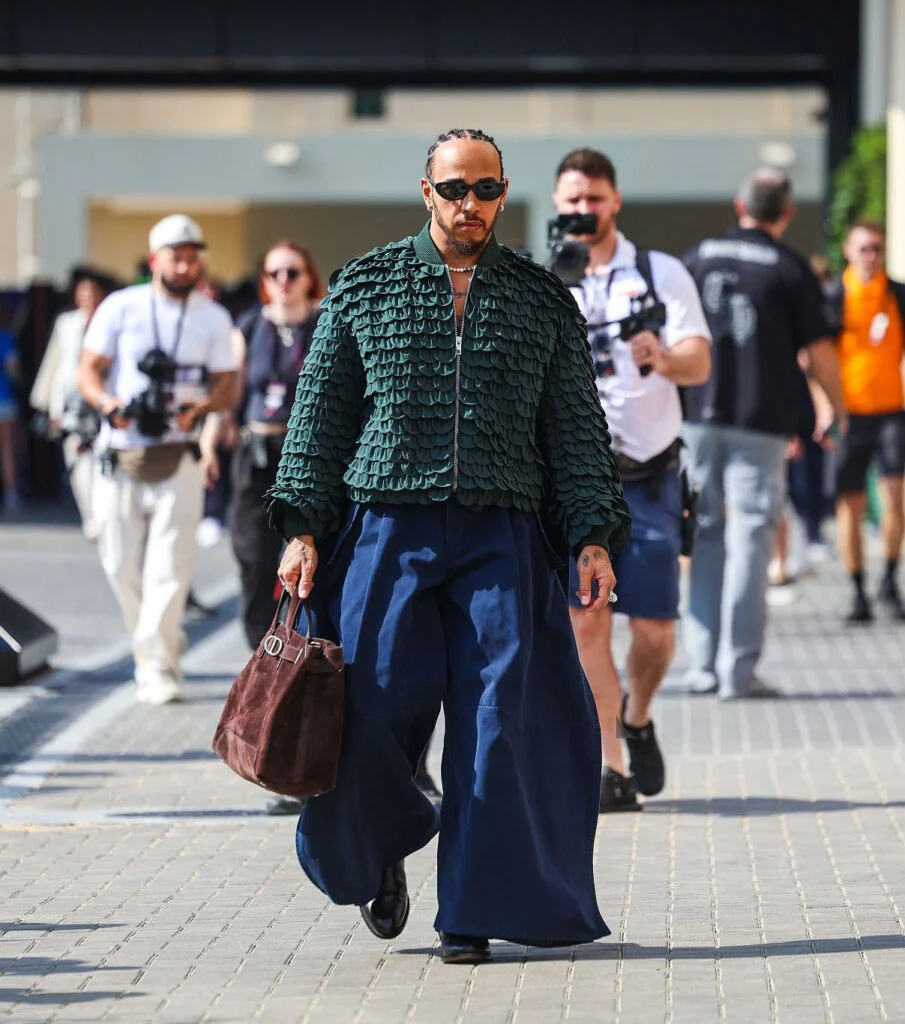
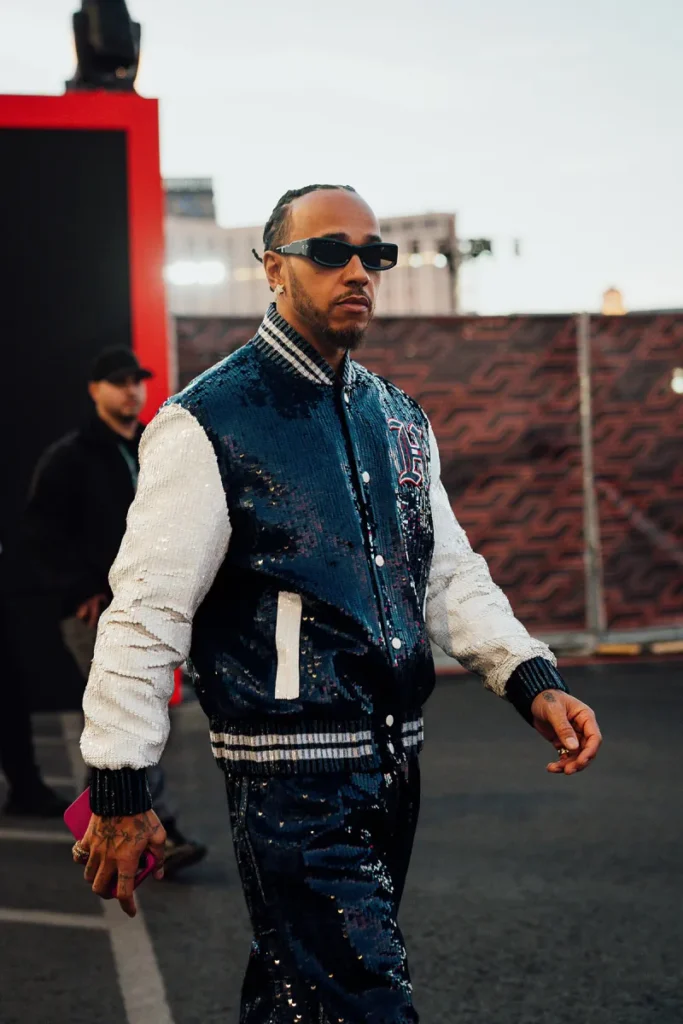
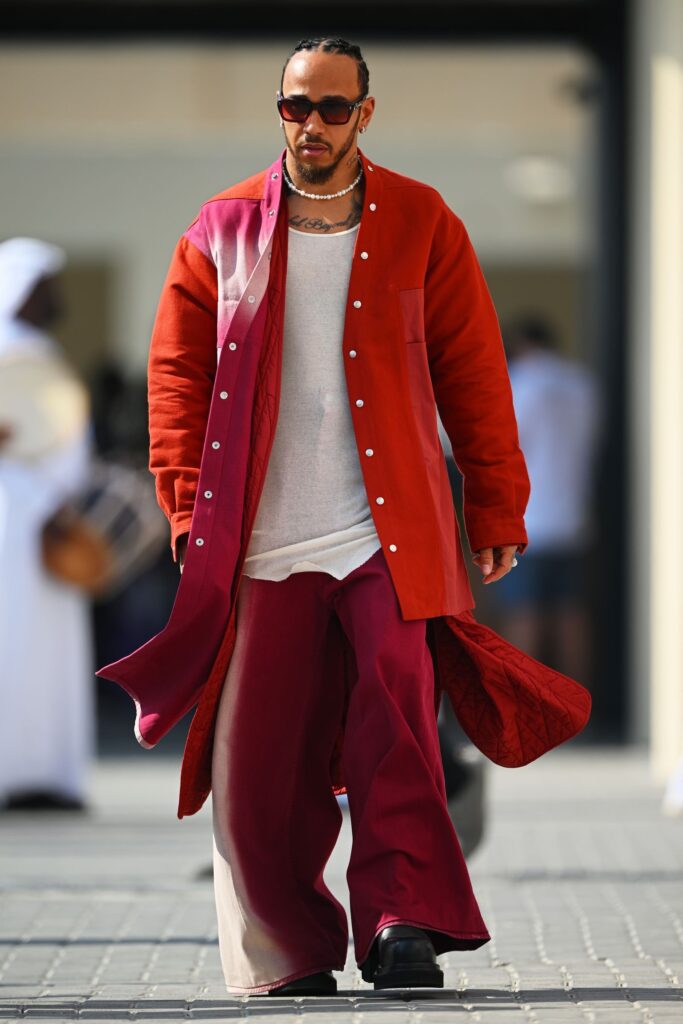
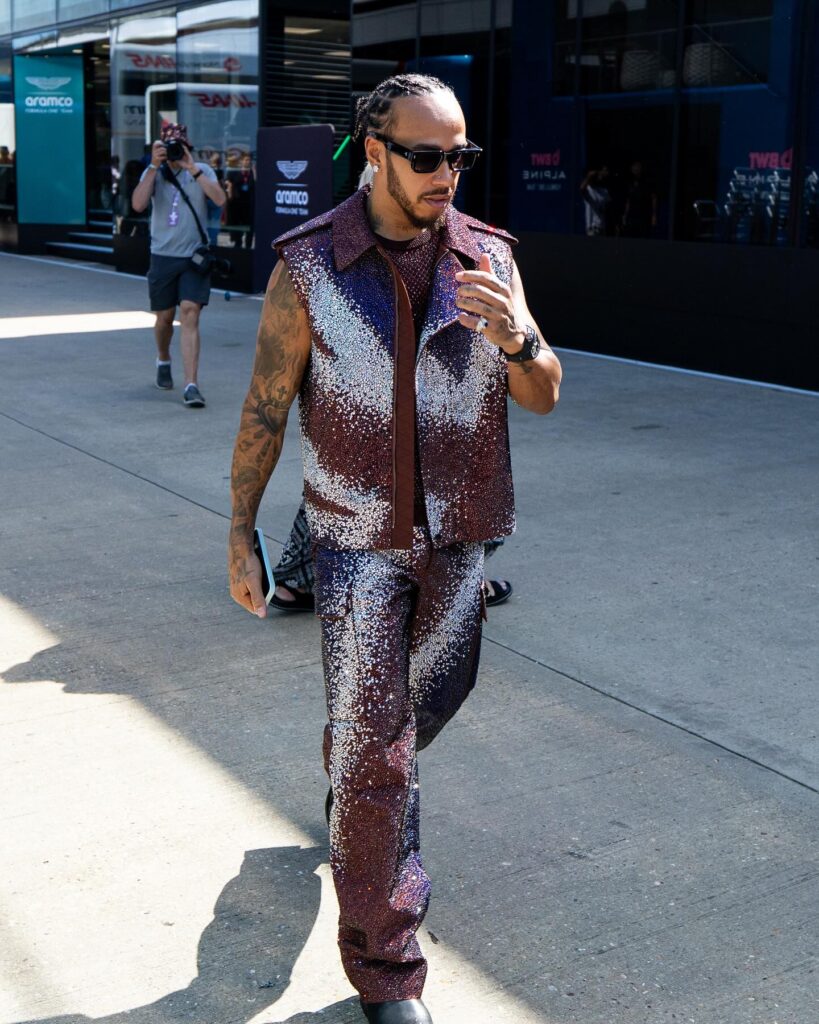
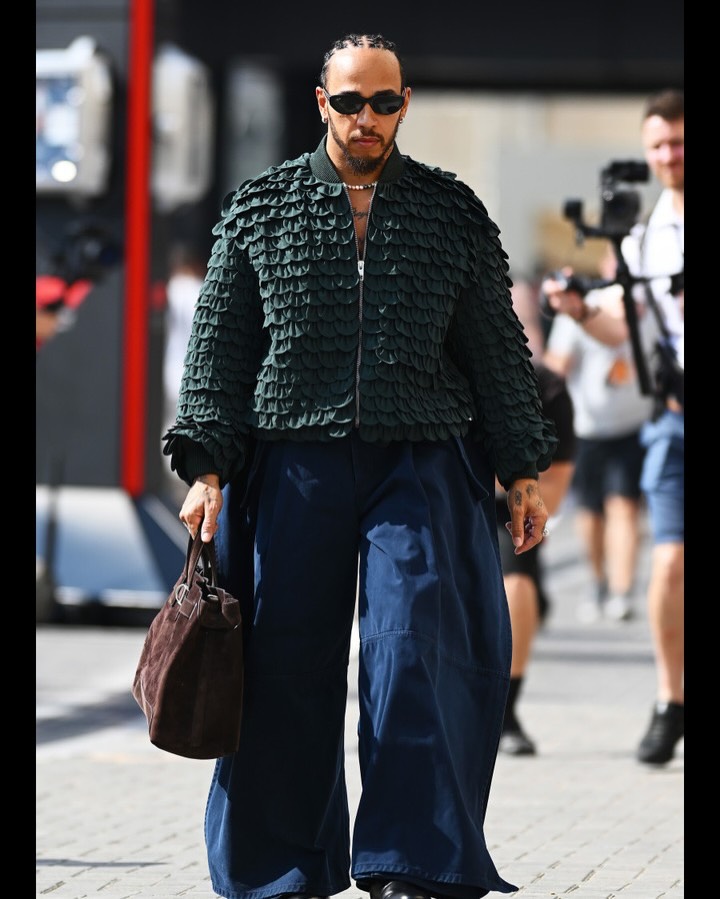
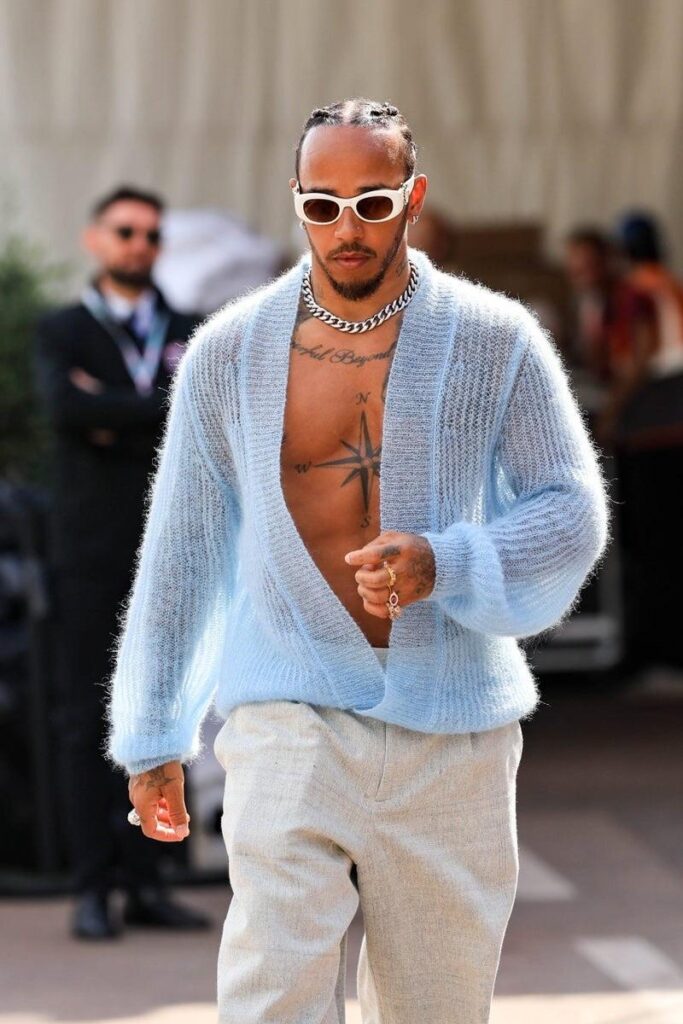
Scroll down to discover some of our favorite Lewis Hamilton fashion moments.
ALSO READ: HERMÈS HAS SKETCHED OUT A NEW, WHIMSICAL DIGITAL UNIVERSE.