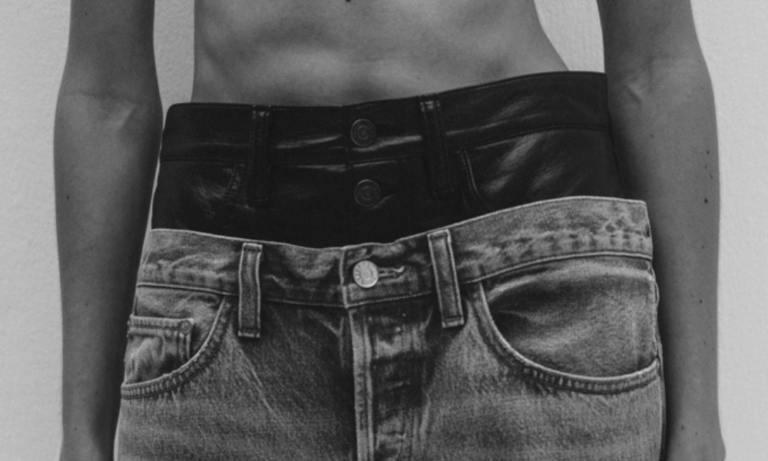
There was a time when luxury was easy to spot. It was loud, shiny, logo-heavy, and usually came with a waiting list. In 2026, luxury has quietly reinvented itself. It no longer announces itself with a price tag or a brand name. Instead, it whispers, in the way clothes are layered, clashed, and reimagined.
Today, the real flex isn’t what you buy. It’s how you wear it.
Anyone can acquire a beautiful piece. The difference now lies in what happens after the purchase. How it’s paired, how it’s slightly undone, how it contrasts with something already in your wardrobe. Styling has become the ultimate luxury because it can’t be copied, outsourced, or mass-produced. It’s personal. And taste, as it turns out, is the rarest commodity of all.
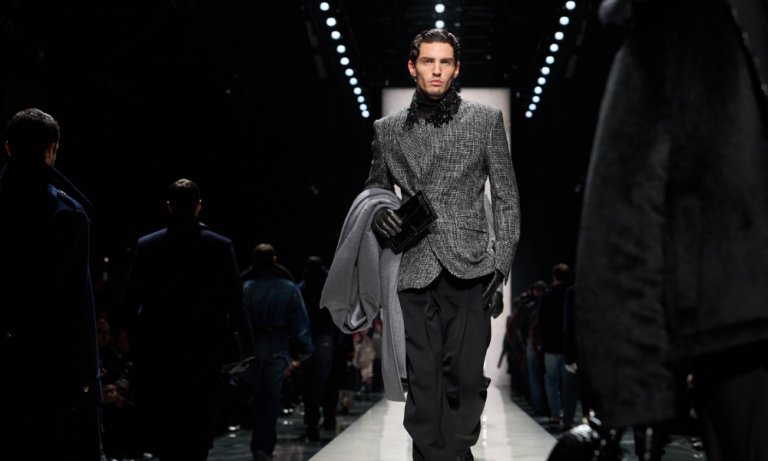
Take Ralph Lauren’s Fall 2016 menswear show. The clothes themselves were classic, almost deceptively so. But the magic was in how they were worn: tailored jackets softened by chunky knits, rugged Western touches colliding with city polish, elegance loosened just enough to feel human. Nothing screamed for attention. Everything suggested a life being lived. That show quietly proved that luxury resides in composition, not cost, a lesson only now being fully realized across fashion.
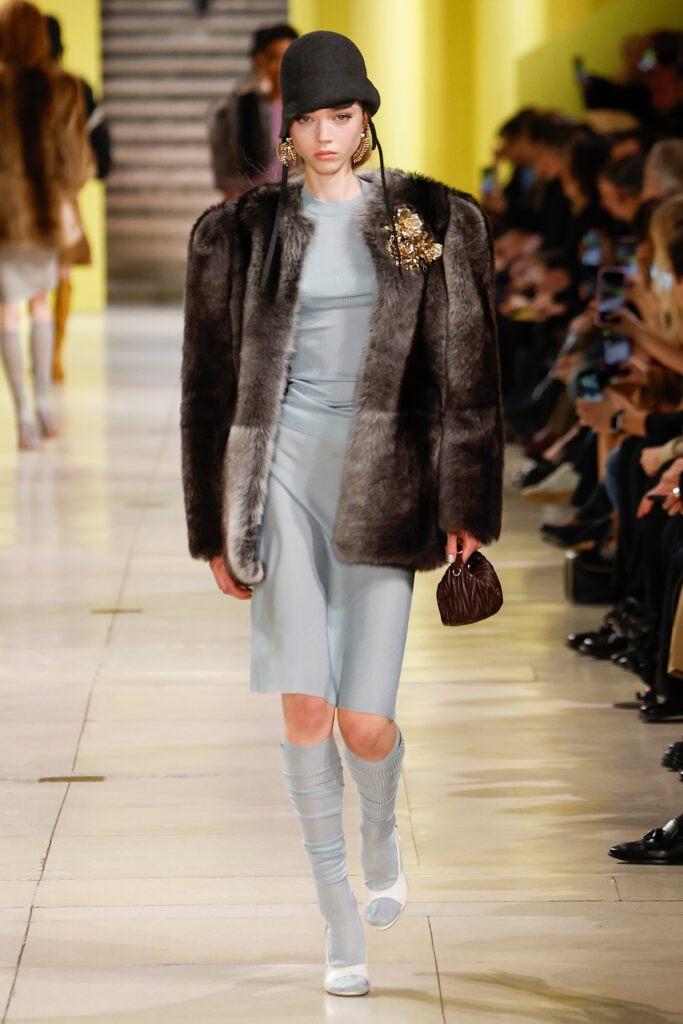
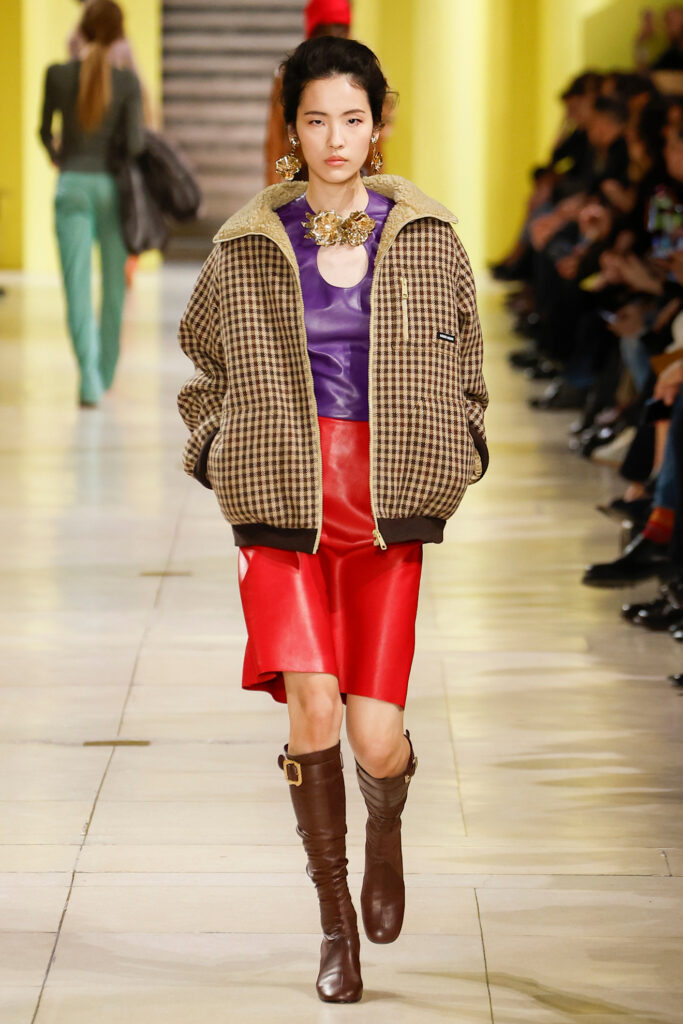
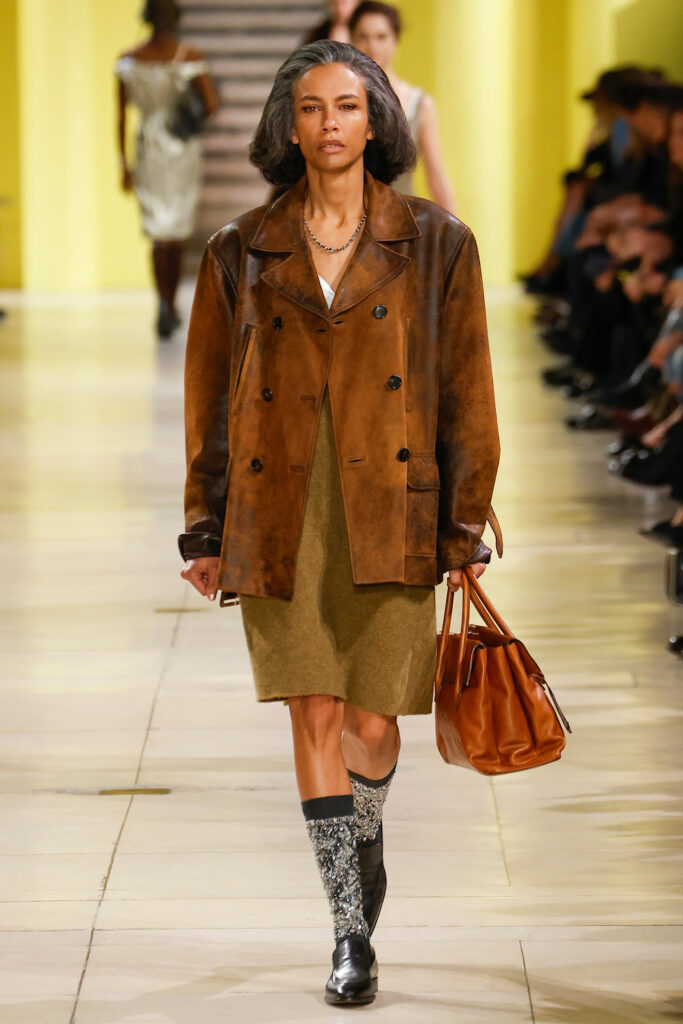
Fast forward to today, and this philosophy is everywhere. Look at Miu Miu’s Paris Fashion Week Fall/Winter 2025‑26 collection. Silky skirts paired with oversized blazers, delicate knitwear layered under structured tailoring, lingerie-inspired tops layered over jackets, it was a masterclass in tension and narrative. Each look told a story, rather than shouted “look at me.” The styling was the star, not the tags.
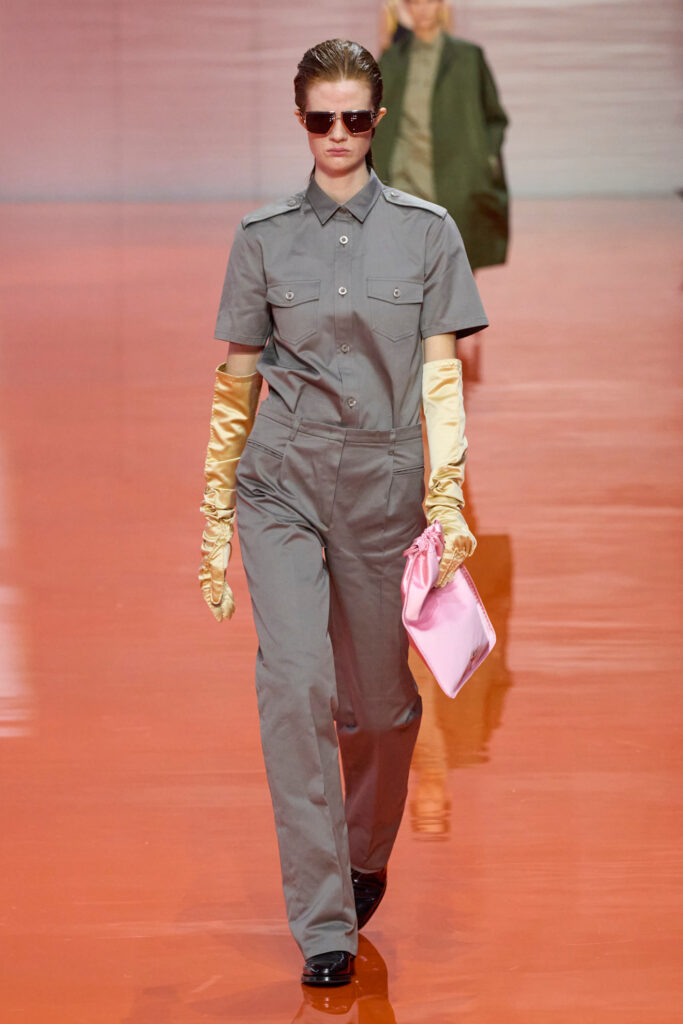
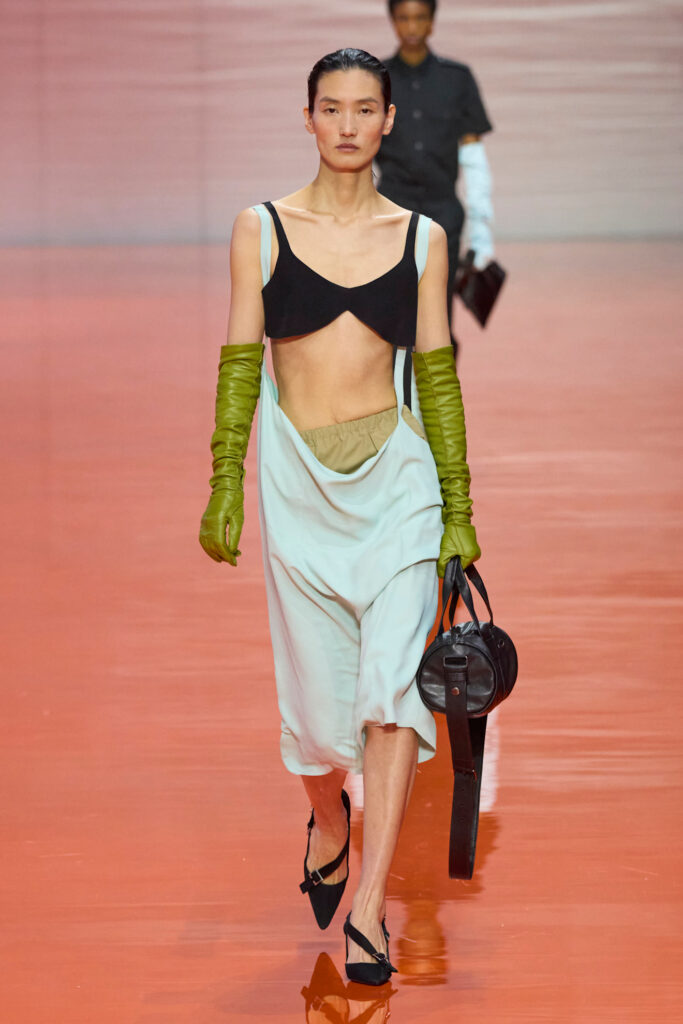
Prada’s Spring/Summer 2026 collection followed the same ethos, turning layering into an art form. Workman jackets over shift dresses, bubble-hem skirts under cardigans, pastel leather gloves paired with utility pieces, every combination felt like a choice made with intention. Prada proved that style isn’t just what you wear; it’s the conversation between pieces, textures, and eras.
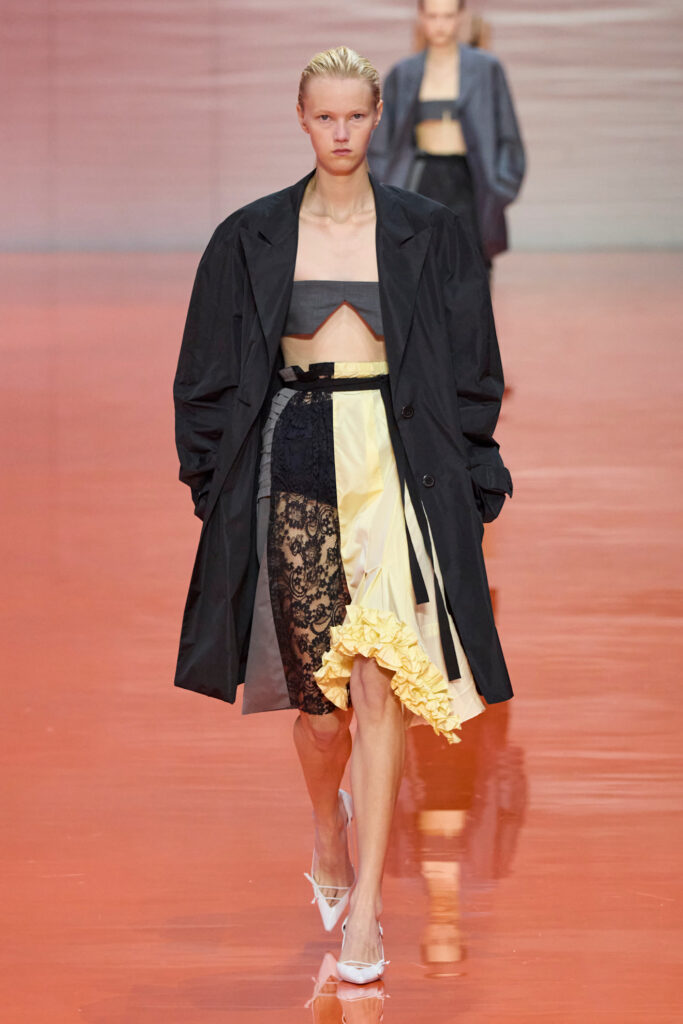
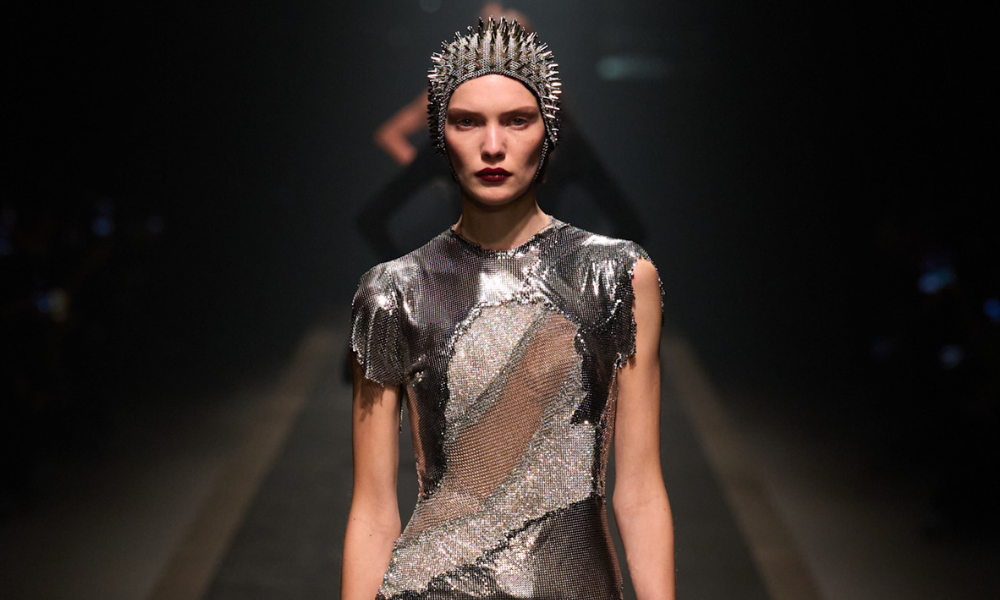
Even Versace’s Fall/Winter 2025 collection showcased how daring contrasts can speak louder than opulence. Leopard prints clashed with sharp tailoring, printed shirts met leather trousers, and studded accessories punctuated every look like exclamation points. Here, styling was confidence in motion — playful, fearless, and utterly modern.
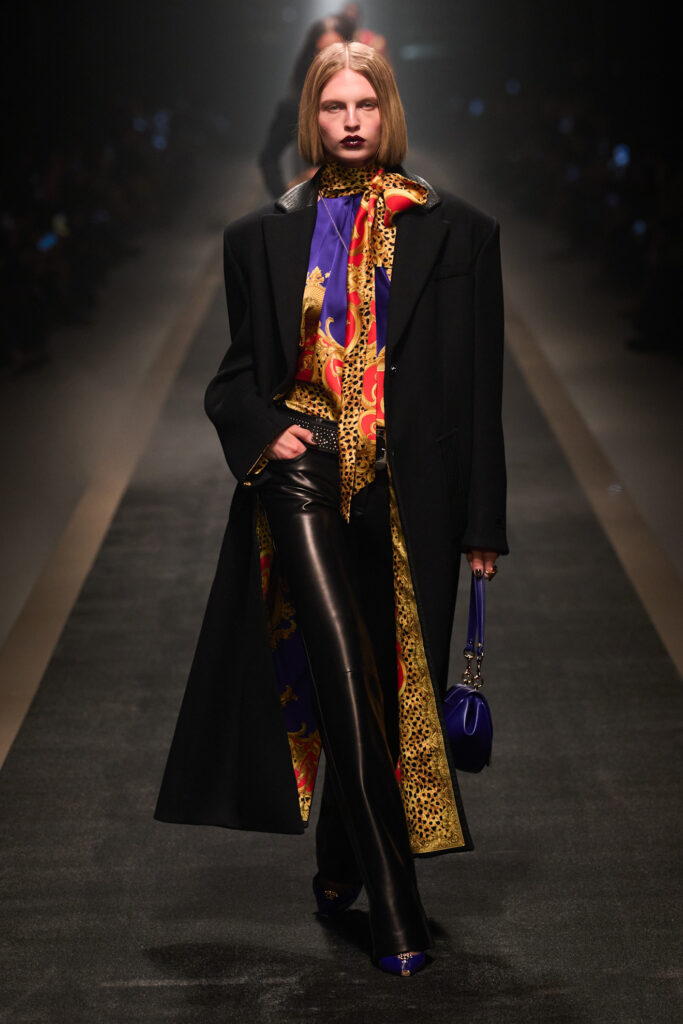
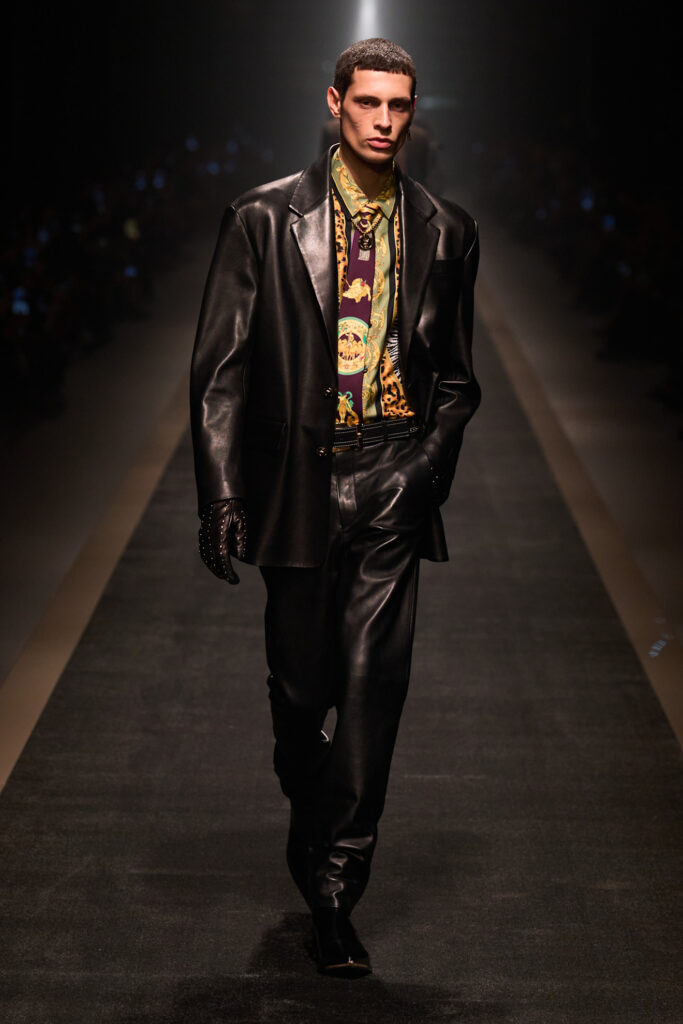
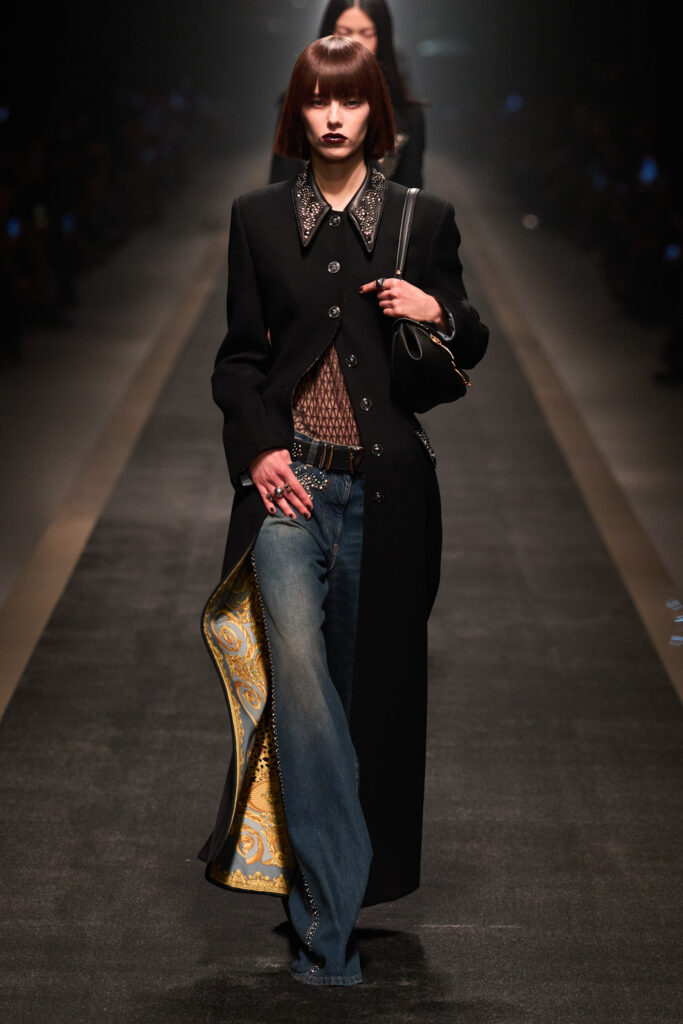
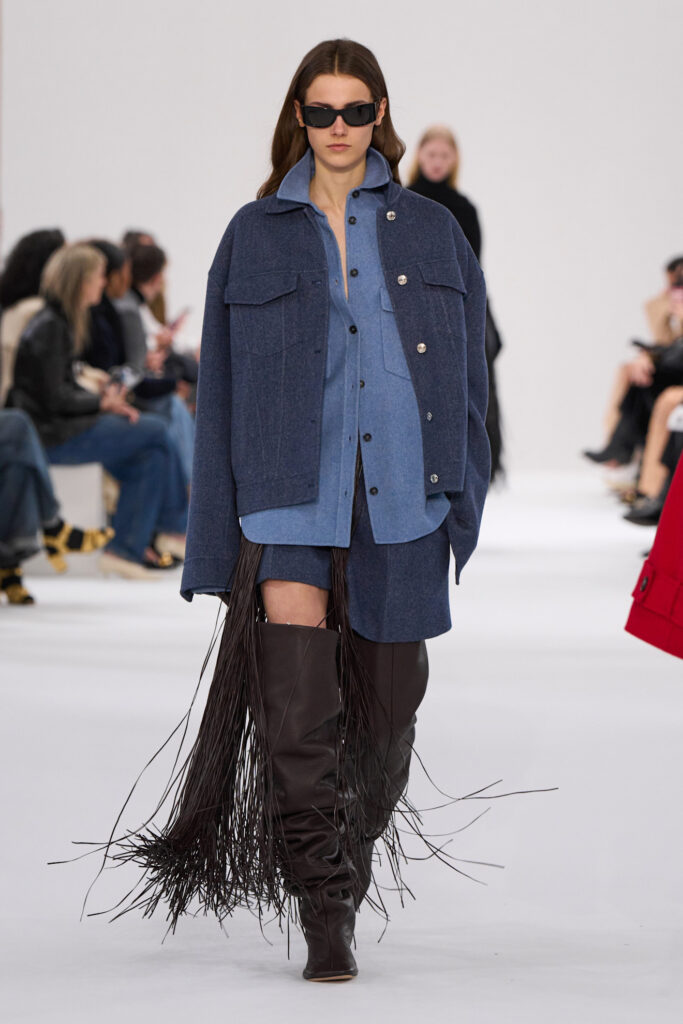
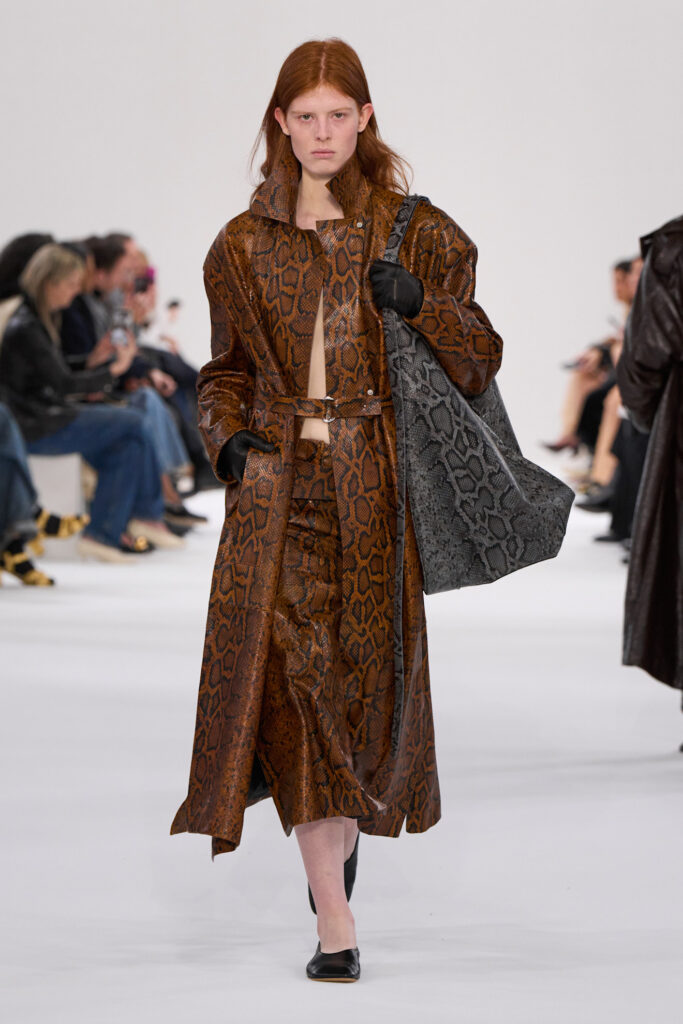
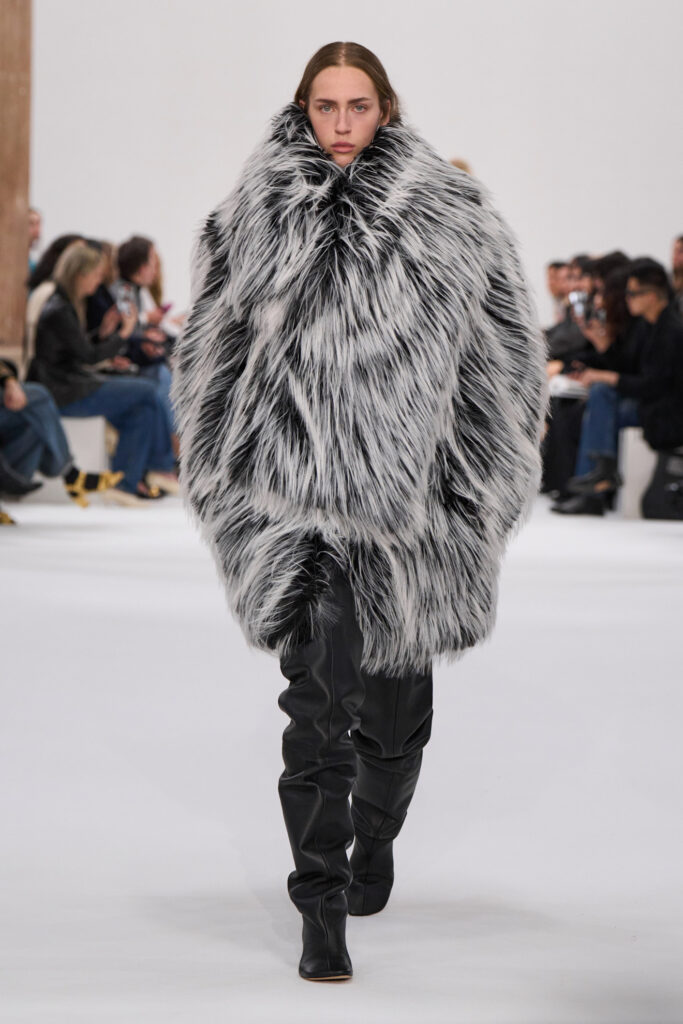
And then there’s Sportmax, Milan Fashion Week FW25, where subverted silhouettes turned minimal pieces into stories. Laser-cut fringes with knee-high boots, soft-structured bags paired with sculptural jewelry, it wasn’t just about clothes, it was about how the clothes were understood together. It reminded us that even the most essential garments gain power through styling.
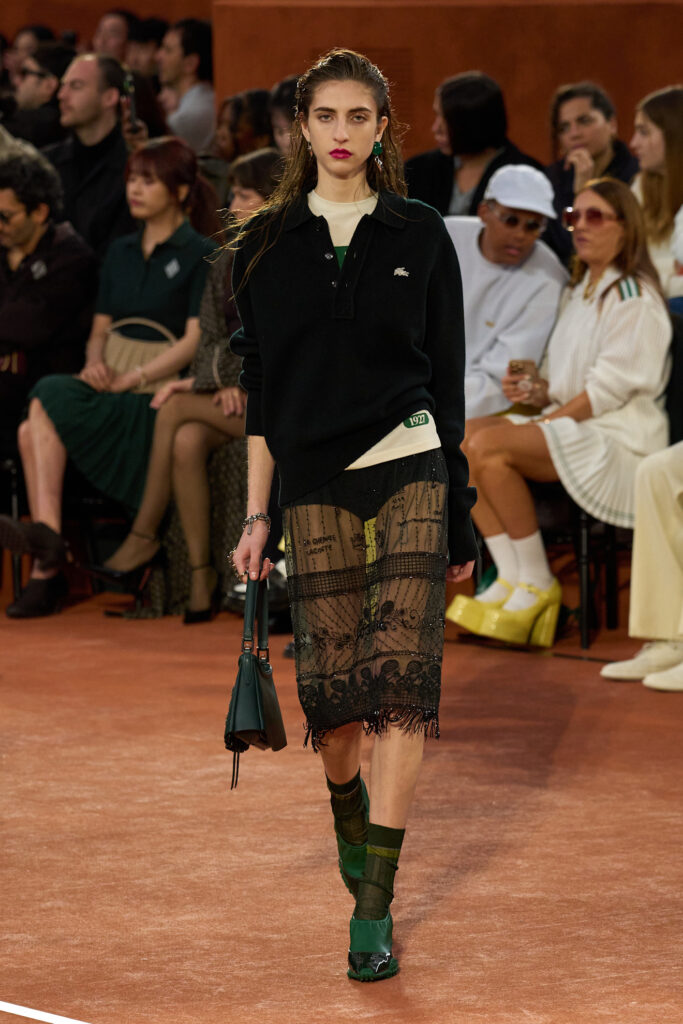
Even brands with a more understated DNA, like Lacoste, are proving the same point. At Paris Fashion Week FW25, Lacoste reimagined tennis heritage with puffed athletic uniforms, pristine white coats, and sparkling cardigans layered over silk dresses. Oversized headscarves and tennis racket-shaped bags turned utilitarian pieces into narrative statements. It was proof that styling can elevate the familiar into something luxurious.
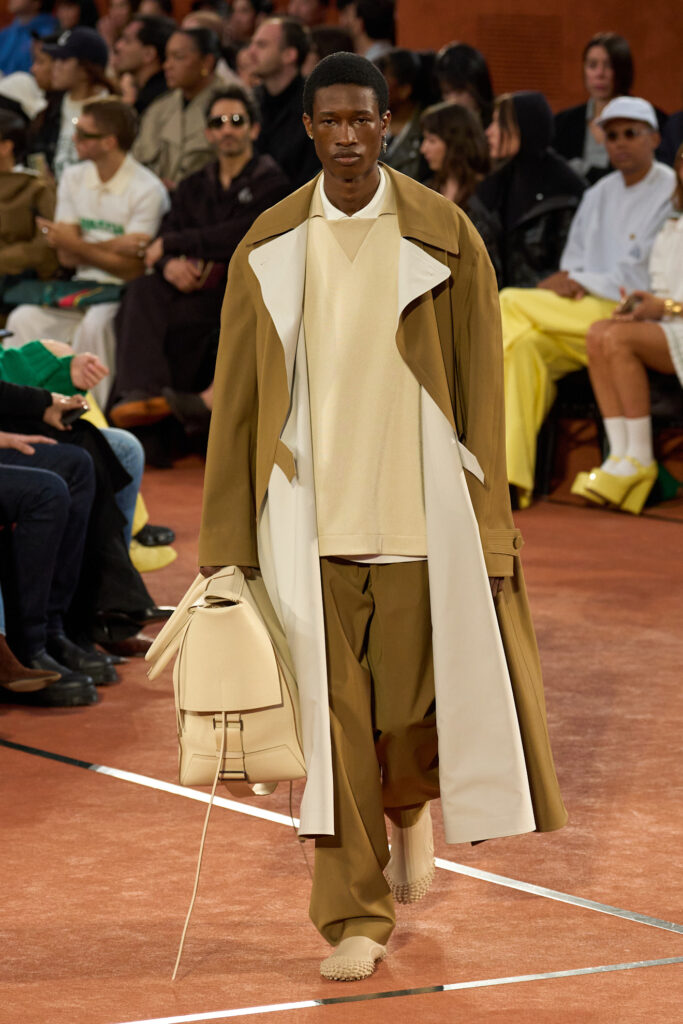
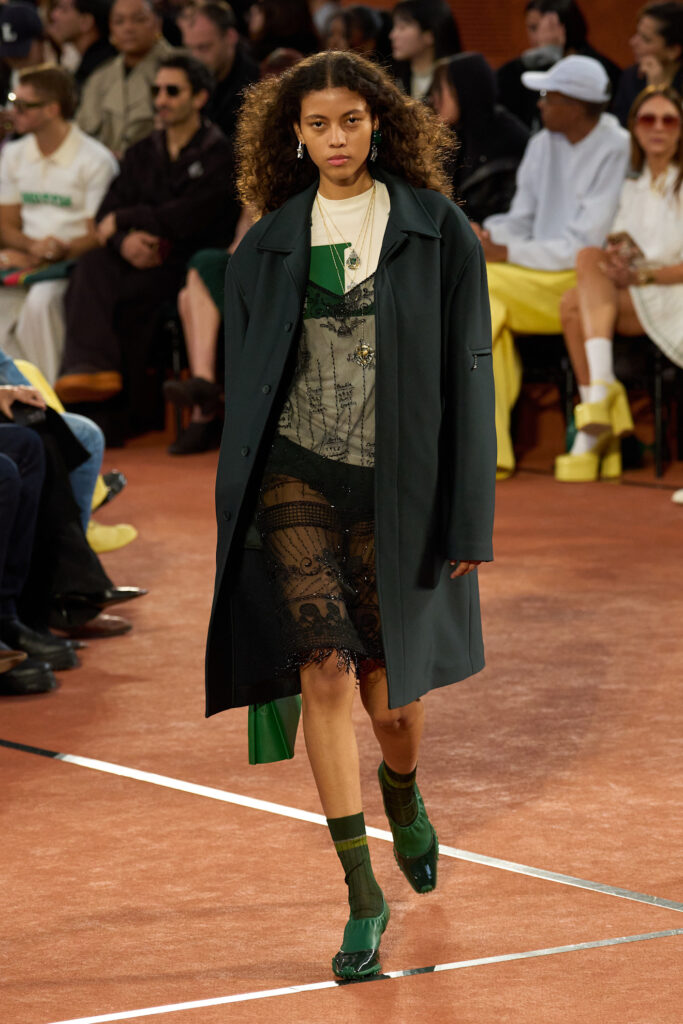
And let’s not forget the street. Today’s tastemakers don’t rely on the newest drop to define themselves. They remix, rewear, and reinterpret, layering vintage with current, mixing heritage pieces with modern silhouettes, stacking rings, scarves, and boots into personal hieroglyphics of style. In a world where trends are immediate and disposable, styling becomes the most enduring signal of taste.
This is why 2026 luxury is less about the price tag and more about authorship. It’s in the way you remix what you already own, the courage to clash eras, the intelligence to layer seemingly incompatible pieces. It’s in the subtle gestures, a scarf draped wrong, a jacket cinched over a bulky knit, boots that tell a story, and in the confidence to do it all without needing anyone’s approval.
So yes, luxury still exists. It just doesn’t shout. It doesn’t need to. And it isn’t measured by cost. It’s measured by how you wear it, how you stack it, how you make it yours.
Because the real flex in 2026? Knowing how to wear it.