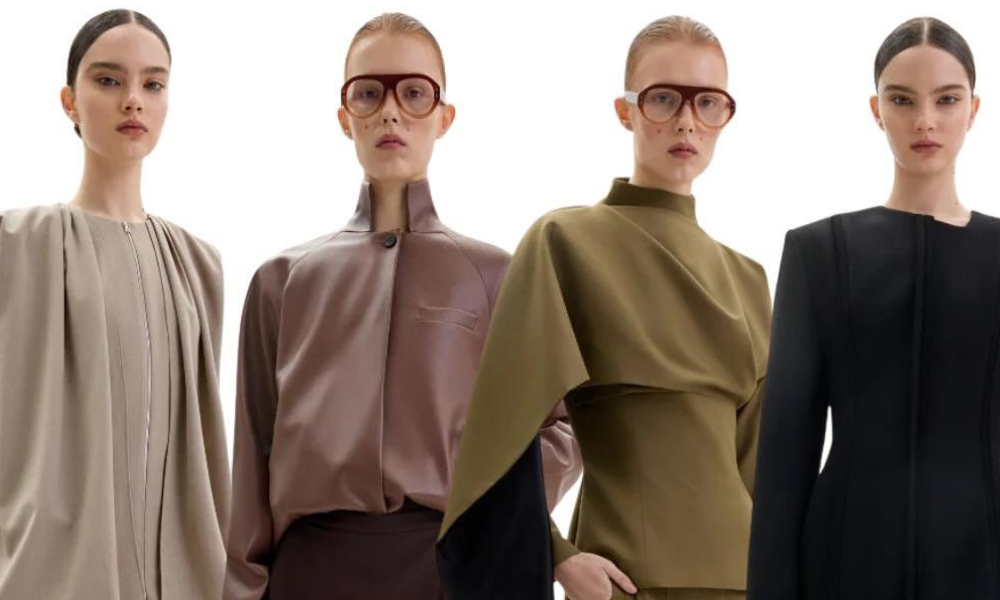
From scouting hidden fashion treasures to redefining modern luxury, Nina Briance, Founder and CEO of Cult Mia, is on a mission to make discovery the new status symbol. With Cult Mia officially expanding into the Middle East and hosting a regional event on February 2nd, there’s no better time to sit down with the woman who’s transforming the way the world finds, and loves, emerging designers. In this face-to-face interview, Nina shares the story of building Cult Mia from the ground up, her secret sauce for spotting the next generation of brands, and the bold strategy behind bringing the brand’s curated vision to the region.
CULT MIA STARTED AS A DIGITAL TREASURE HUNT FOR EMERGING DESIGNERS. AT WHAT POINT DID YOU REALIZE IT HAD BECOME A MOVEMENT RATHER THAN JUST A MARKETPLACE?
When I started six years ago, I noticed that 90% of luxury shelves, both online and physical, were selling identical assortments. People were starting to talk about it, and now the stat is that 70% of shoppers feel overwhelmed online but uninspired.
In a previous life, I worked at the United Nations in a team called Women and Trade, helping women-owned micro-enterprises scale. I focused on fashion and saw incredibly talented designers everywhere, but over 30 million of them made it extremely competitive. Only a few success stories existed, they were literally one in millions.
I felt we could do a lot to lift up the most creative people globally, the ones bringing real innovation and fresh design. Fast forward six years: we’ve worked with over 400 designers from around 45 countries, launching a new brand weekly on Cult Mia. But we remain selective. Last year, over a thousand designers applied, and we accepted just 8%. That’s when I realized we’d tapped into a movement: women want unique, distinctive fashion, and our definition of modern luxury is discovering the brands of tomorrow, not replicating logos.
YOUR SUCCESS LIES IN SPOTTING DESIGNERS BEFORE THEY HIT THE GLOBAL RADAR. WHAT DO YOU LOOK FOR FIRST, COMMERCIAL INSTINCT, CULTURAL RELEVANCE, OR THAT UNTEACHABLE ‘IT’ FACTOR?
We actually evaluate all three areas through a structured sourcing framework. First, alignment; second, commercial impact. We assess product quality, pricing, and whether it speaks to our luxury customer, who spends on average over $700 per order. We also consider trends, merchandising plans, and the overall brand fit.
Then we do a values assessment: sustainability, ethical practices, local community impact, and who runs the business. Over 90% of our brands are women-owned. We partner with Positive Luxury in the UK to assess brands against these criteria. Brands don’t have to be perfect, but there are clear standards they must meet. Once onboard, we advise them on improvements along these values.
HOW DOES THIS TRANSLATE INTO COMMERCIAL TRACTION? WHAT INDICATES THAT SHOPPERS CARE ABOUT THESE VALUES?
On Cult Mia, the best-performing content is never promotional. Promotions made up less than 6% of our sales last year, which is remarkable in a discount-driven world. What sells is the product story, why we selected a brand, the narrative behind the collection, and the designer behind it. Alignment, cultural relevance, storytelling, and exceptional product all drive engagement.
THE MIDDLE EAST IS A REGION WHERE LUXURY, CRAFTSMANSHIP, AND STORYTELLING RUN DEEP. WHAT MADE NOW THE RIGHT TIME FOR COLTMIA TO DEEPEN ITS PRESENCE HERE?
I grew up in Mexico, the U.S., and Switzerland, but I was less familiar with this part of the world. I’ve been wowed by the women here, their fashion-forwardness. Compared to the UK or the U.S., the Middle Eastern appetite for discovery, whether local or international, is remarkable. The region is now our biggest market, with growth above 600% over the last three years. Women here crave unique fashion and want to avoid looking like everyone else. The product-market fit has been extraordinary.
WHEN ENTERING A NEW MARKET, HOW DO YOU BALANCE STAYING TRUE TO CULT MIA’S DNA WHILE ALLOWING LOCAL CULTURE TO SHAPE THE NARRATIVE?
It’s the beauty of a two-sided marketplace. We bring hidden treasures from around the world but also discover local designers to lift them up. Customers can even share brands they find on their travels, and we’ll bring them home.
We maintain Cult Mia’s curated DNA while partnering with local authorities like the Arab Fashion Council. Currently, we have around 20 partnerships worldwide, giving us expert guidance on the most exciting emerging brands in each market.
WHAT’S THE BIGGEST MISCONCEPTION ABOUT SCALING A BUSINESS THAT PUTS SMALL DESIGNERS FIRST?
The biggest misconception is that volume equals scale. It’s tempting to add more designers constantly, but that dilutes the brand proposition. Depth of curation matters more than quantity. In a multi-brand environment, one off-brand product can break trust with the customer. Many platforms grew big but lost their DNA by becoming a catalog of every luxury product, rather than maintaining a clear point of view.
LOOKING BACK, WHAT DECISION FELT LIKE THE BIGGEST RISK WHEN BUILDING CULT MIA, AND WHAT ENDED UP CHANGING EVERYTHING?
The biggest risk at the start was our business model. We asked designers to send pieces directly to customers without buying stock or using consignment. At the time, this was foreign to them. But when COVID hit, we could instantly pivot to loungewear, sleepwear, and home, all without inventory risk. That flexibility became a huge advantage. Today, Cult Mia can generate 60% of a designer’s revenue, sometimes more than their wholesale business.
IF CUT MIA WERE FOUNDED TODAY IN 2026, IN A LANDSCAPE SHAPED BY AI, COMMUNITY-LED COMMERCE, AND CONSCIOUS LUXURY, WHAT WOULD YOU DO DIFFERENTLY AND WHAT WOULD YOU NEVER CHANGE?
AI is fascinating for removing operational noise, like producing high-quality product imagery or fast data analysis. We’d leverage AI even more but never replace the human touch in curation, which is invaluable.
We’d also be smarter about connecting with customers where they actually spend time, as social media dominance is shifting. The human point of view, depth of curation, and storytelling will always remain central to Coltmia.
ALSO READ: THE CELEBRITY RED CARPET LOOKS FROM THE 2026 GRAMMY AWARDS THAT DESERVE YOUR ATTENTION.