At Buro247 Middle East, we are committed to showcasing and celebrating the extraordinary talent in the Arab world. With our column, #BuroSpotlights, we bring you stories of pioneering artists, innovative designers, tech trailblazers, cinematic visionaries, sports stars, and more.
This week, #BuroSpotlights Saudi artist Rama Turki.
Saudi artist Rama Turki has a gift for slowing the world down. At a moment when the region is racing forward, her work feels like a steady inhale, the kind that brings the viewer back into a room, a memory, a face. Based in Riyadh, Turki moves between oil paint and digital media with a confidence that feels entirely her own. She approaches both with the sensitivity of someone who studies people not for spectacle but for truth. Her art is not concerned with grand gestures. It is concerned with what makes us pause.
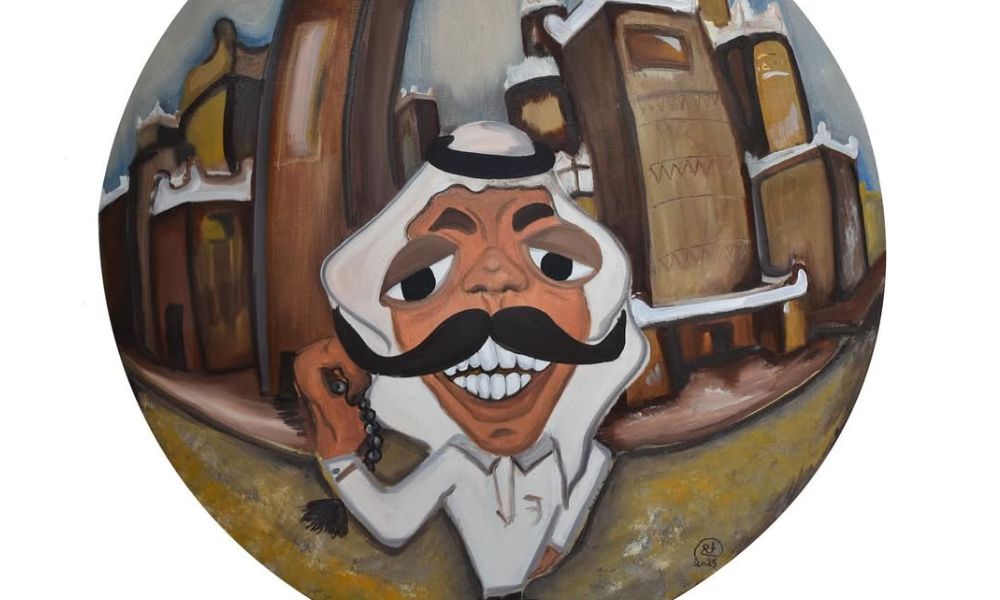
Turki’s latest body of work turns its gaze toward Saudi features and everyday scenes. What could be ordinary becomes deeply compelling in her hands. She paints characters with eyes that do not simply look at you but look into you. Their expressions hint at stories that sit just beneath the surface, unspoken but unmistakably present. These are portraits of a society seen from the inside. They feel lived in. They feel honest.
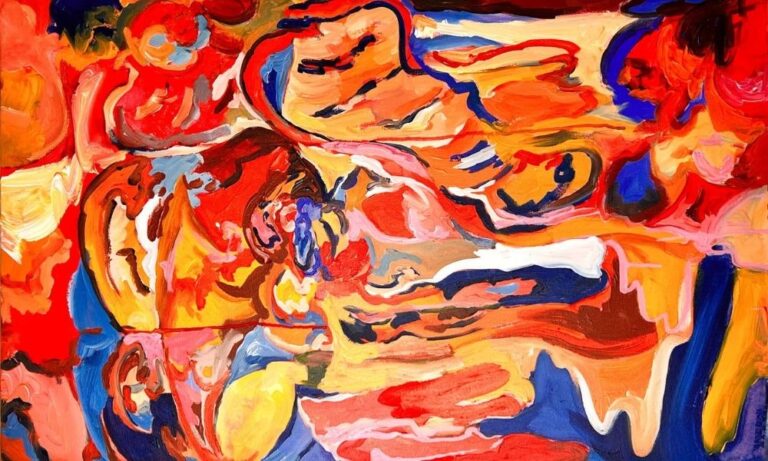
Her oil paintings often build emotion slowly. Thin layers of pigment collect into textured surfaces that seem to hum with interior life. The precision of her detailing is never ornamental. A crease in a brow, the tilt of a jawline or the slight softening of a shoulder becomes a clue about intimacy, tension or quiet resilience. Turki studies these nuances the way a novelist studies dialogue. Each element reveals something that cannot be summarised in language.
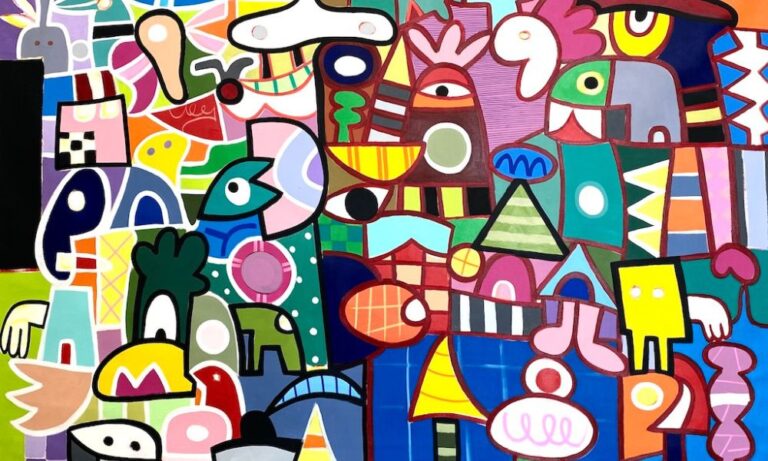
Her transition into digital media has expanded that vocabulary. Instead of replacing tradition, it complements it, introducing light, pattern and atmosphere in ways that challenge the expectation of what contemporary Saudi art should look like. Her digital pieces carry the same emotional weight as her paintings, but with a different rhythm. The brushstroke becomes a pixel. The canvas becomes a screen. Yet the intention remains unchanged. She is still asking the viewer to look closer.
What makes Turki’s work particularly compelling is the way she holds space for contradictions. Strength sits beside vulnerability. Familiarity sits beside ambiguity. Her characters appear grounded in their everyday environments, yet they also seem to drift slightly outside of them, as if aware of a world the viewer is not yet privy to. This tension gives her portraits a quiet intensity that lingers after you leave them.
More than anything, Turki’s art is a study of presence. She documents the textures of Saudi life not as spectacle but as lived experience. A shared glance in a market. A moment of stillness in a family gathering. The expressiveness of traditional features seen through a contemporary lens. It is the kind of work that encourages you to slow down, to meet the painting on its own terms, to trace the emotional architecture hidden inside its subtleties.
In an art landscape filled with noise, Turki offers something rare. She gives us silence that speaks. Her paintings and digital works become mirrors that reflect both personal and collective identity, reminding us that the most revealing stories are often the quietest ones. Through her eyes, Saudi Arabia is not a headline or a stereotype. It is human, intricate and full of life.
ALSO READ: WITH AN IPHONE IN HAND SAUDI WOMEN TURN THE CAMERA ON ONE ANOTHER TO BRING A NEW EXHIBITION TO LIFE.