Among its most cherished traditions is Iftar, the evening meal that breaks the fast. The art of hosting Iftar goes beyond preparing food; it is about creating an atmosphere of warmth, connection, and gratitude that guests remember long after the meal ends. But hey, don’t be overwhelmed! With thoughtful planning, simple touches, and genuine hospitality, you can create an inviting experience with ease.
The Meaning That Shapes the Experience
Iftar represents patience, gratitude, and connection. When hosting, these values should guide every decision. Guests usually seek comfort, calm, and sincerity after a long day. Instead of focusing on impressing others, attention can be placed on making everyone feel at ease.
Menu Planning with Balance in Mind
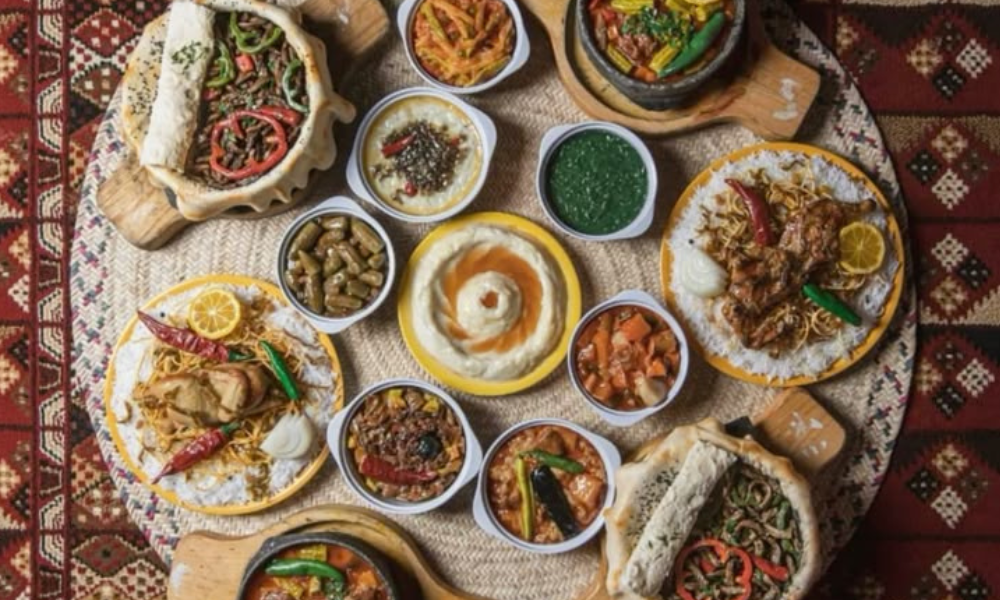
Food plays a central role in Iftar, yet simplicity often works best. Dates and water traditionally open the meal, followed by light starters such as soup or salads. Heavier dishes can be served in moderation to keep the meal enjoyable.
A balanced menu helps guests feel energized rather than overwhelmed. Homemade dishes, even if few, often feel more meaningful than an elaborate spread. For extra help, explore these Ramadan recipes for Iftar inspiration.
Suggestions to Elevate Your Iftar Gathering
Trust us when we tell you that small, thoughtful choices can elevate the entire experience:
- Prepare ahead of time: Chopping ingredients or setting the table early reduces last-minute pressure.
- Offer variety, not quantity: A mix of light and hearty dishes keeps everyone satisfied.
- Create a calm atmosphere: Soft lighting, simple decor, and uncluttered spaces make a big difference.
- Be mindful of guests’ needs: Dietary preferences and comfort should always be considered.
- Encourage connection: Keep distractions away and allow conversations to flow naturally.
Setting the Mood with Simple Decor
The ambiance does not need to be extravagant. Candles, lanterns, or warm lights often create a serene mood. Neutral table settings with small decorative touches can feel elegant without effort. Good timing adds to the comfort of the gathering. Food should be ready just before sunset, allowing guests to break their fast smoothly. Serving in stages keeps the evening relaxed. After the main meal, tea or light desserts can be offered. This encourages guests to stay, reflect, and connect.
Why The Art of Hosting Iftar Matters
At its heart, hosting Iftar is… Art. It is shaped by kindness, simplicity, and shared moments. When guests feel welcomed and cared for, the gathering becomes meaningful without excess. The most memorable Iftars are not defined by luxury but by warmth, sincerity, and togetherness.