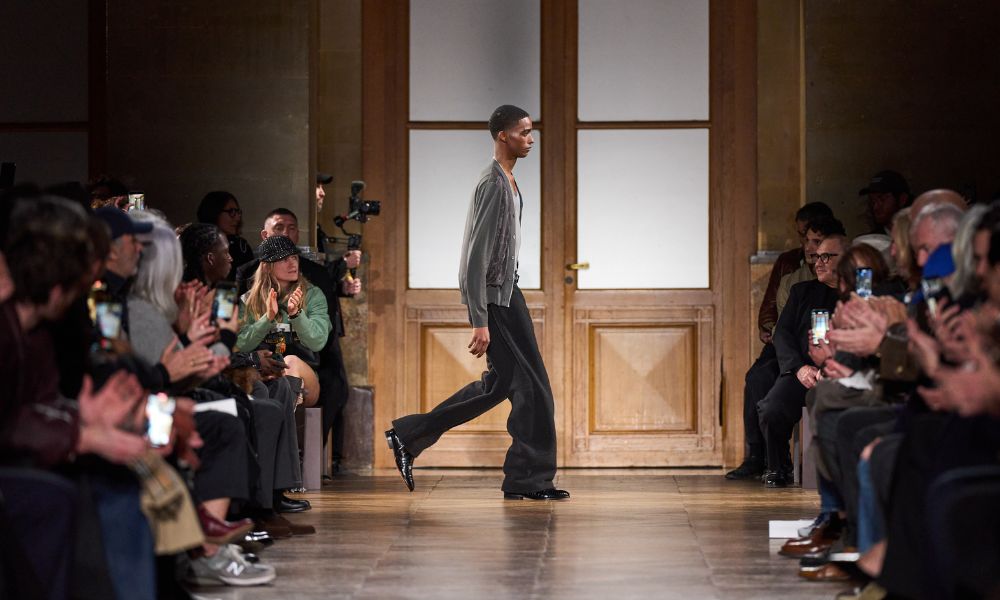
Paris did what Paris does best this season: it made menswear feel cultural, opinionated, and occasionally chaotic in the best way. Fall/Winter 2026 was less about chasing novelty and more about sharpening identity. Designers pulled from history, tech, craft, and pure instinct, often all at once, to answer a simple question: how do men want to look right now? The answers ranged from hyper-functional luxury to theatrical parody, with plenty of personality in between.
LOUIS VUITTON
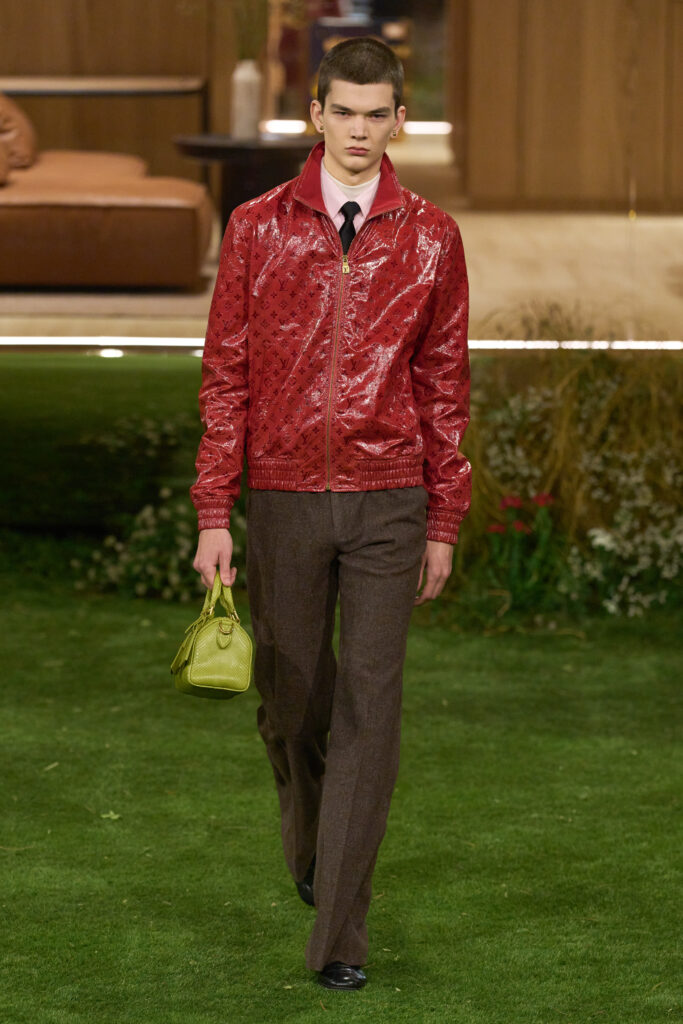
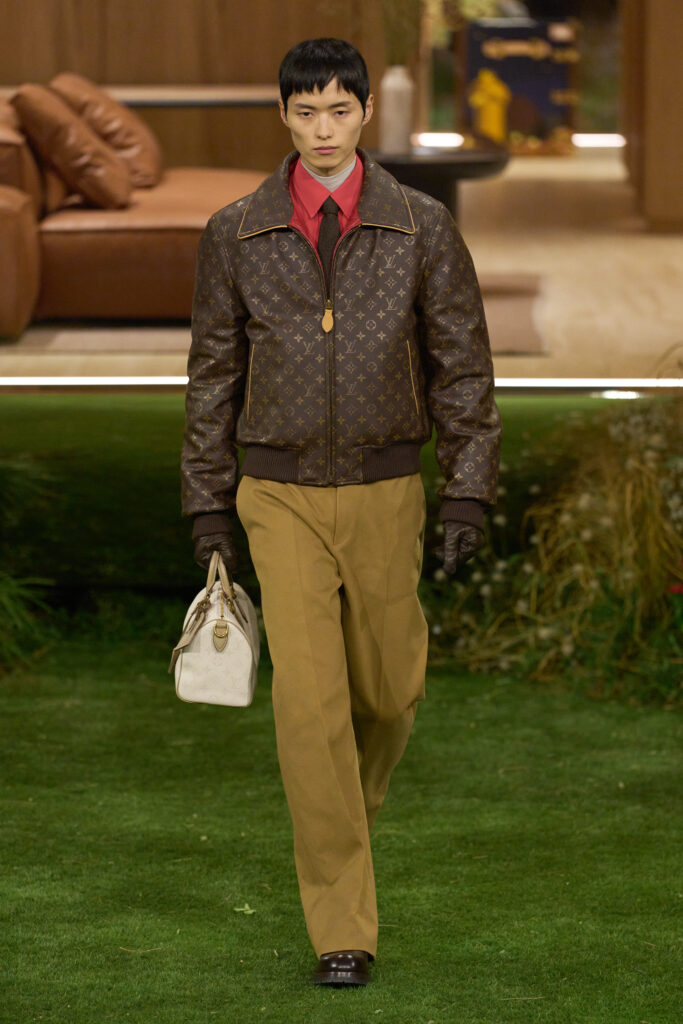
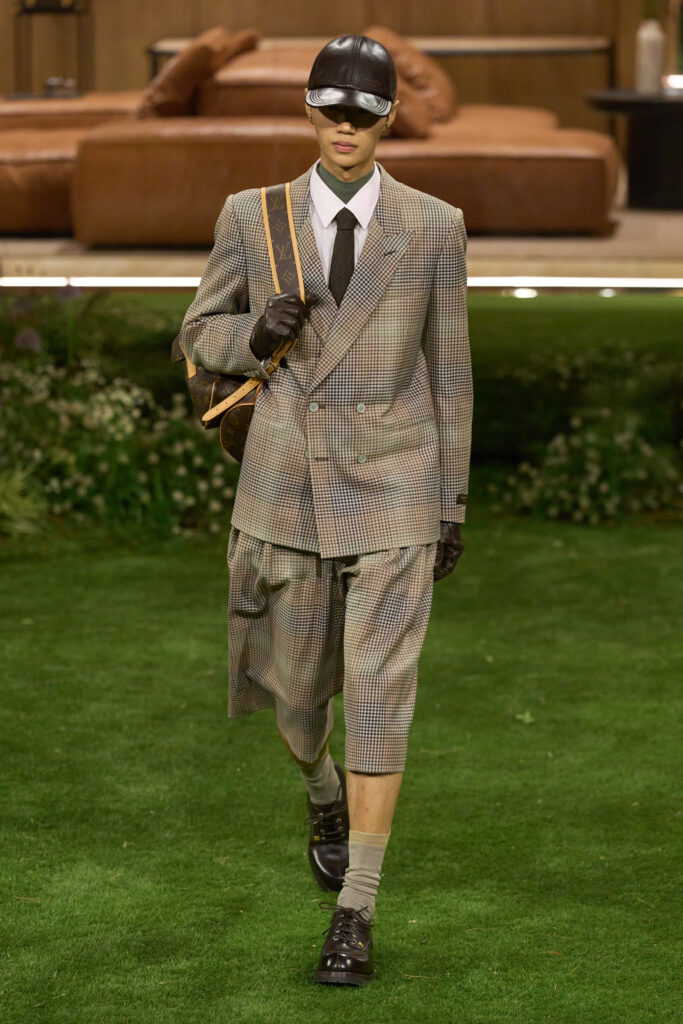
Pharrell Williams continued to future-proof Louis Vuitton by grounding it firmly in craft. His Fall/Winter 2026 collection imagined luxury as something active rather than precious, where performance fabrics, smart tailoring, and artisanal detail coexist without friction. Traditional checks and houndstooth were rewired with technical yarns, accessories glowed, reflected, or repelled water, and trompe-l’œil textiles blurred the line between leather, knit, and outerwear. Even the trunks leaned into storytelling, hand-finished with references to travel and heritage. It was futurism without sci-fi cosplay, built for a man who moves fast but values how things are made.
DIOR
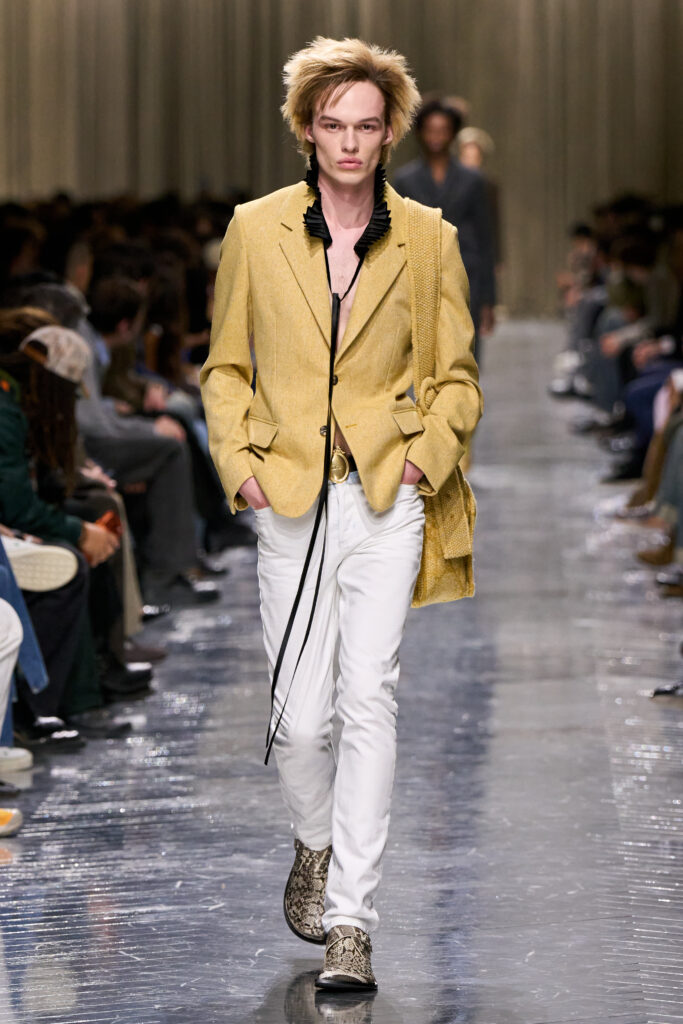
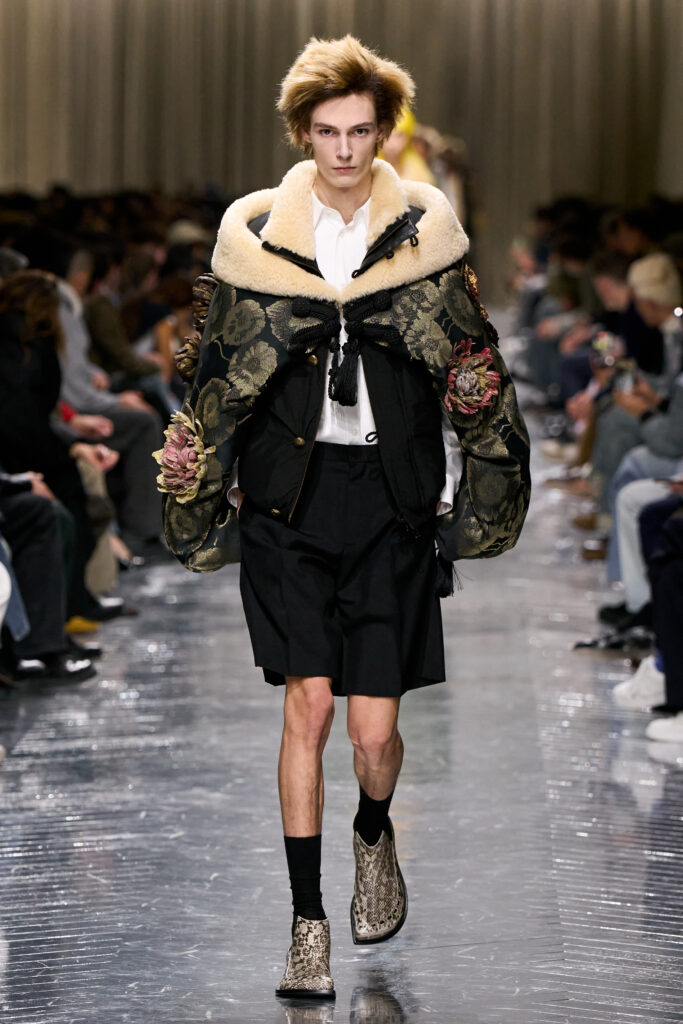
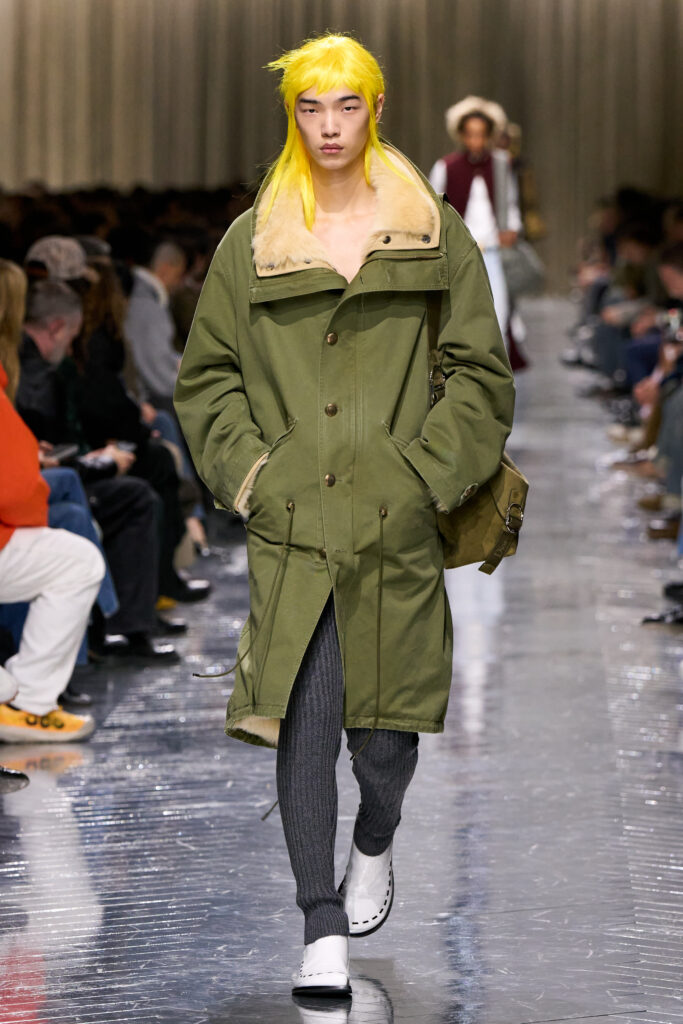
At Dior, Jonathan Anderson pushed his aristo-youth fantasy into bolder territory. The collection mixed historical references with street-level ease, letting sharp tailoring collide with denim, parkas, and playful styling. Slim jackets, cropped Bar shapes, and elongated trousers set a precise foundation, while outerwear swung between technical bombers and dramatic capes. Textures did much of the talking, from tweeds and velvets to intricate embroidery and fringing. The result felt deliberately eclectic, dressing as a form of personal expression rather than polished perfection.
RICK OWENS
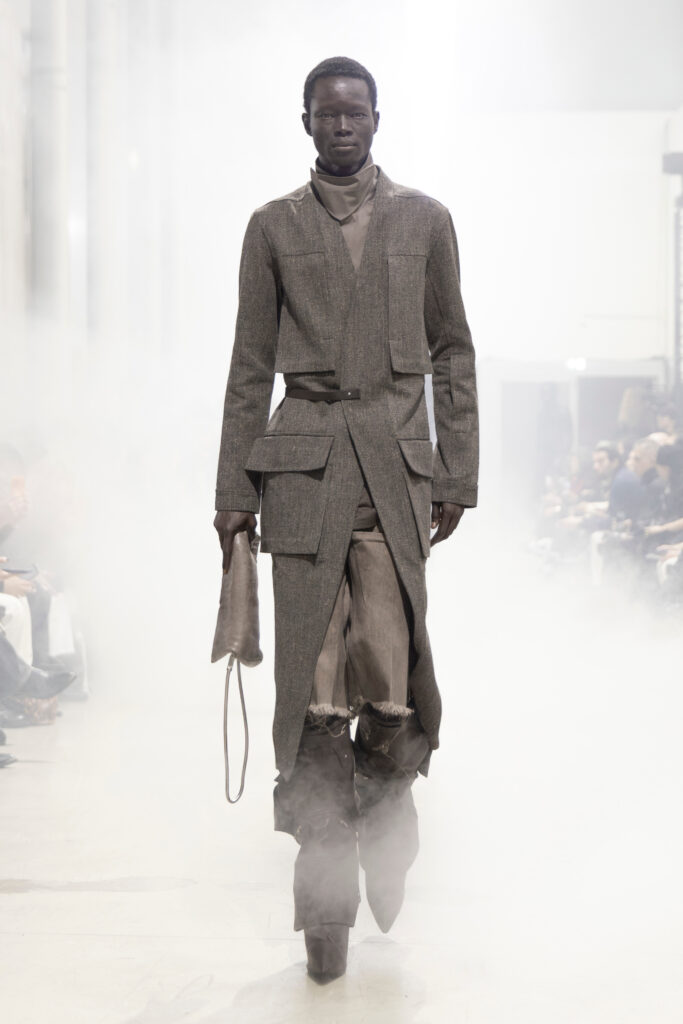
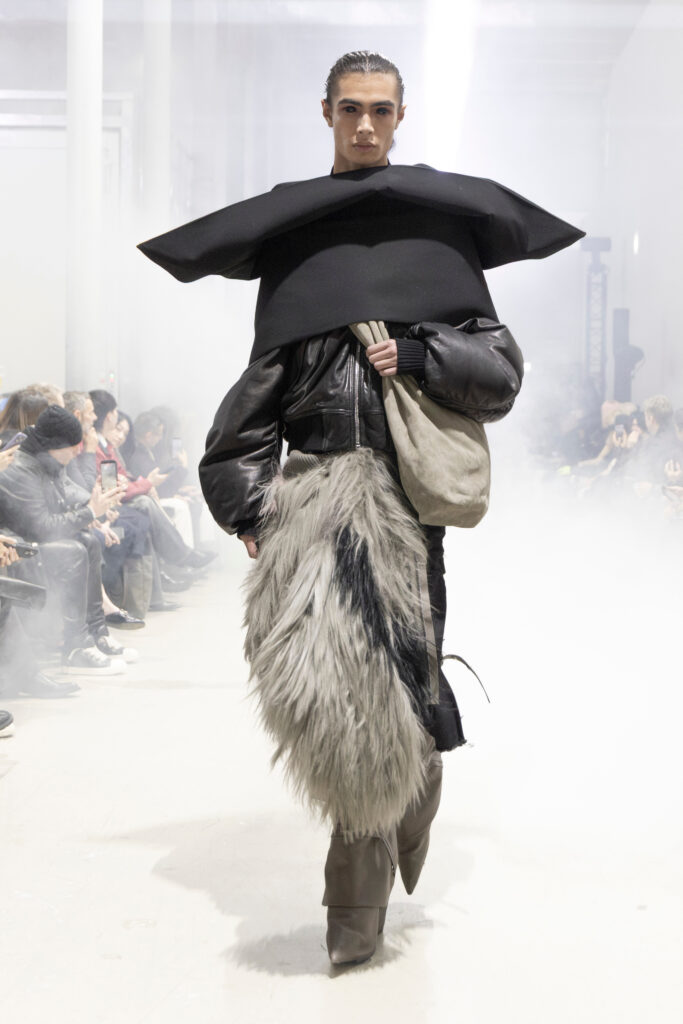
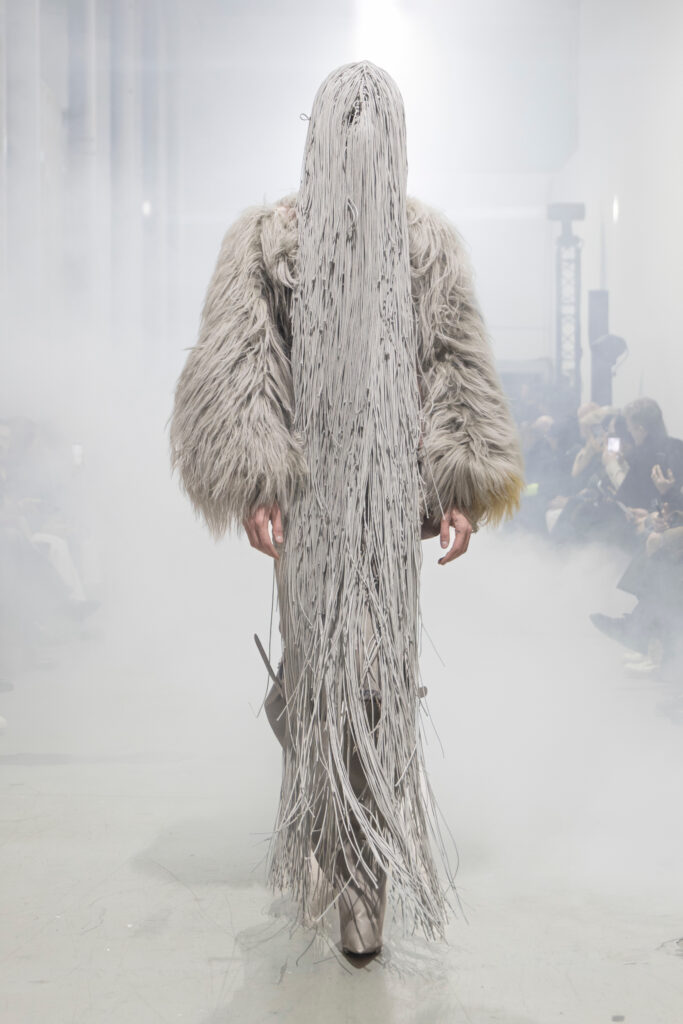
Rick Owens turned the Palais de Tokyo into a confrontation. His Fall/Winter 2026 collection treated authority as something to exaggerate, question, and quietly mock. Inflated boots, oversized epaulettes, and armor-like silhouettes transformed military codes into something theatrical and slightly absurd. Heavy-duty materials like Kevlar and thick leathers were offset by painstakingly handmade knits, wool coats, and intricate masks crafted by collaborators. It was tough, protective, and oddly tender, fashion as protest gear with a conscience.
HERMÈS
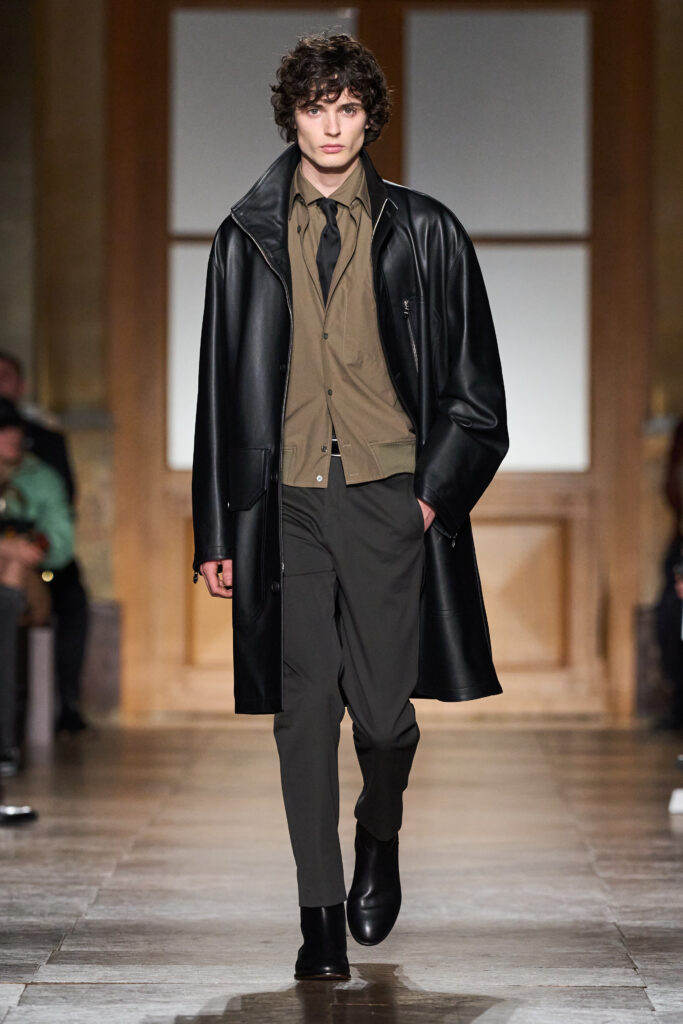
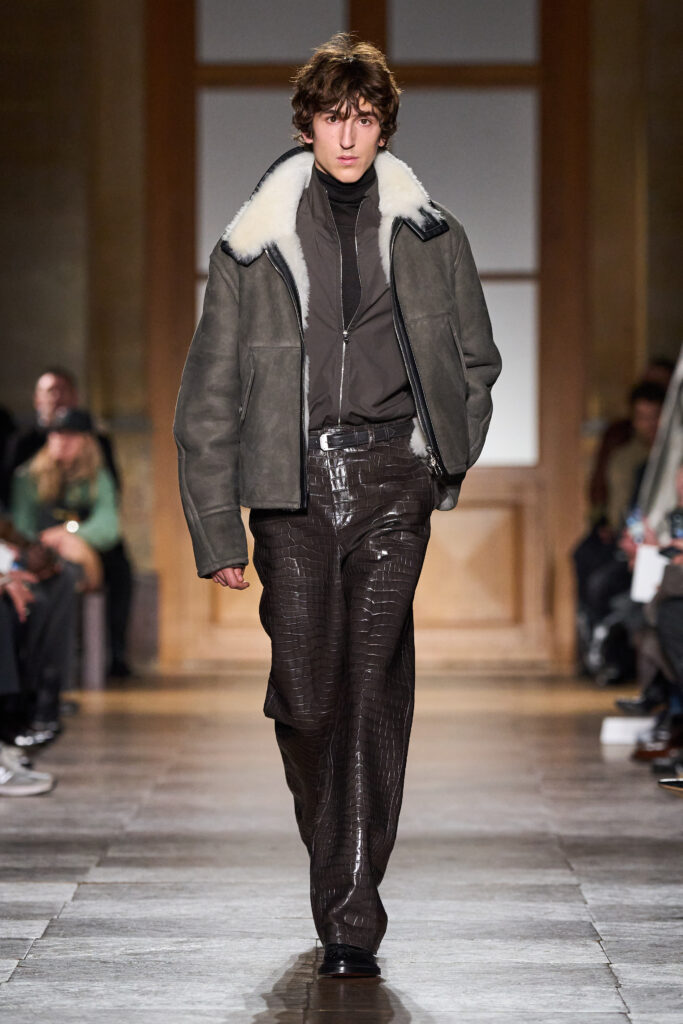
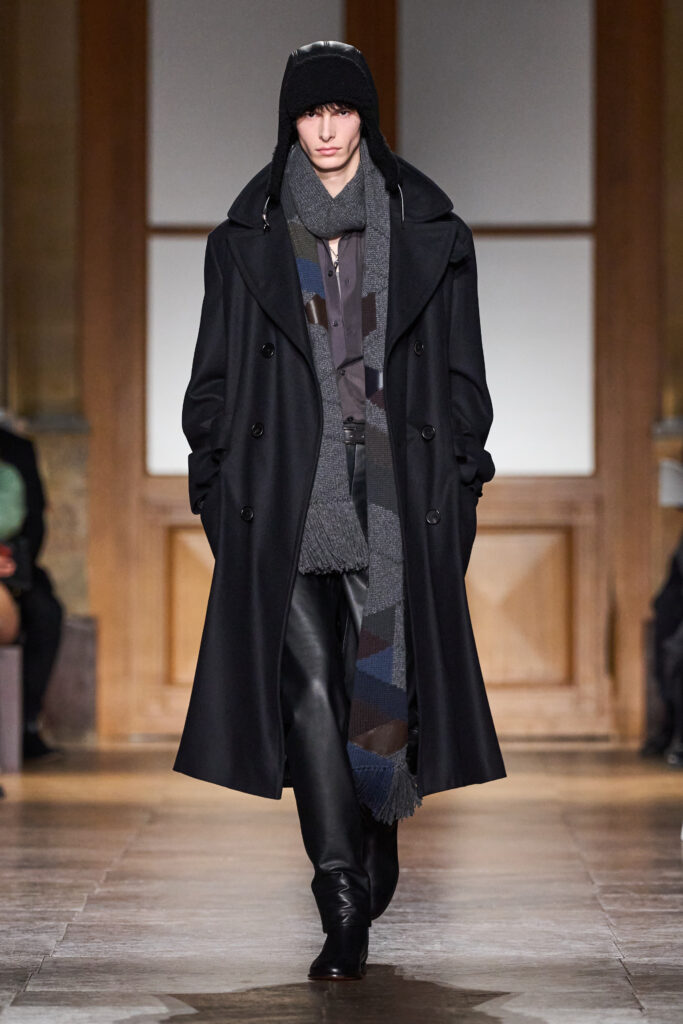
Hermès delivered an emotional farewell as Véronique Nichanian closed a defining chapter at the house. Her final men’s collection was confident, joyful, and deeply assured, showcasing Hermès at full strength. Shearling bombers, glossy leather suits, crocodile outerwear, and aviator-inspired pieces nodded to travel and adventure, while tactile scarves, knits, and subtle floral details softened the mood. It was elegant without stiffness, luxurious without effort, and a reminder that consistency, when done this well, is its own statement.
JACQUEMUS
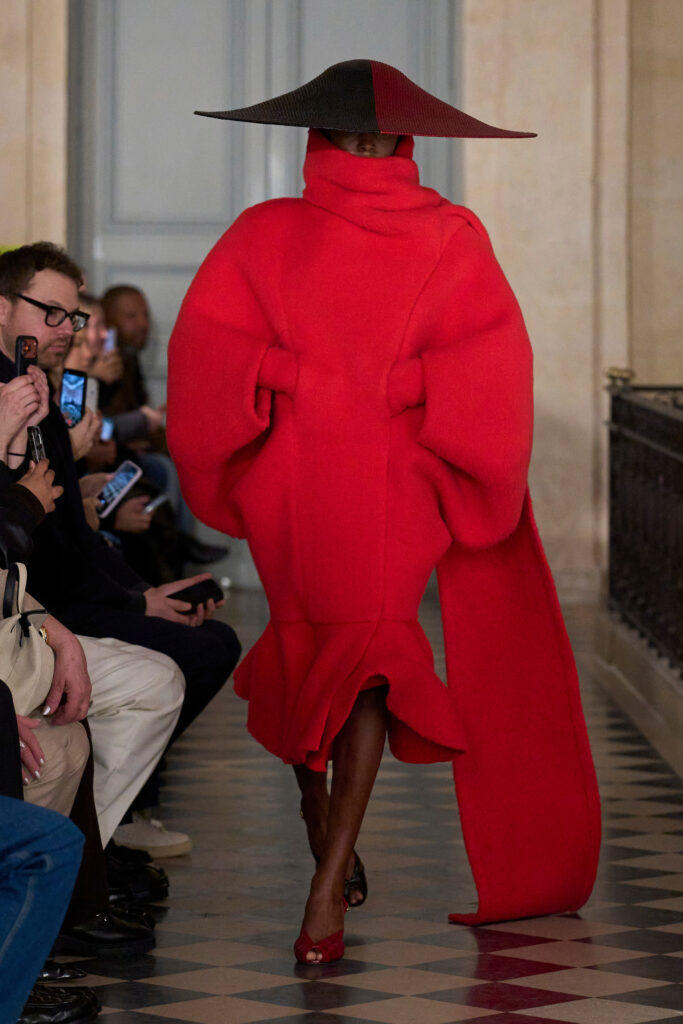
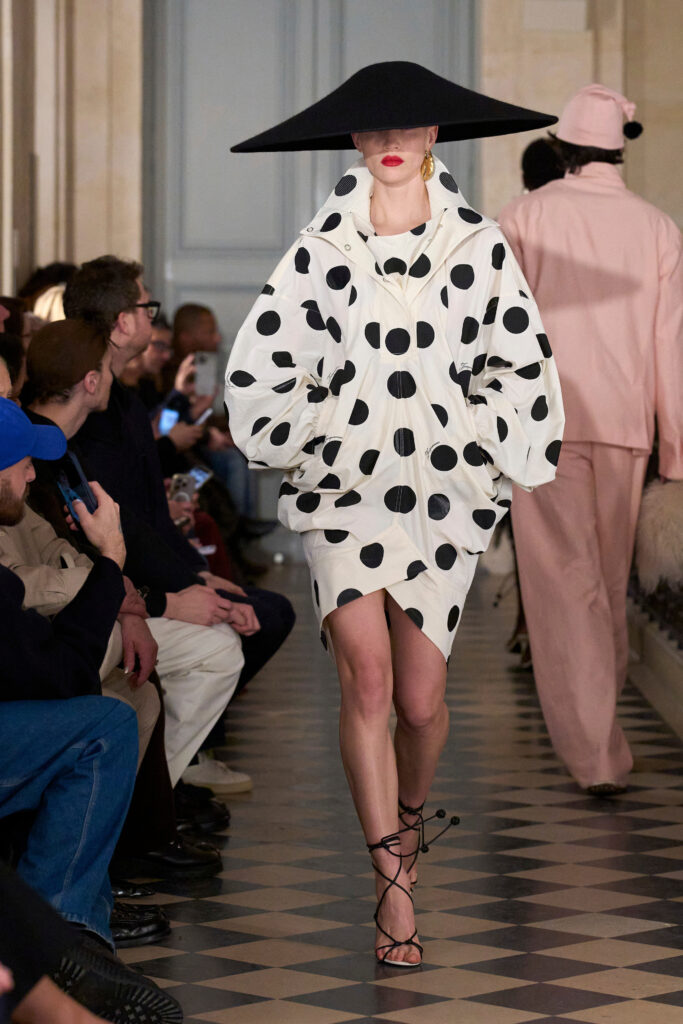
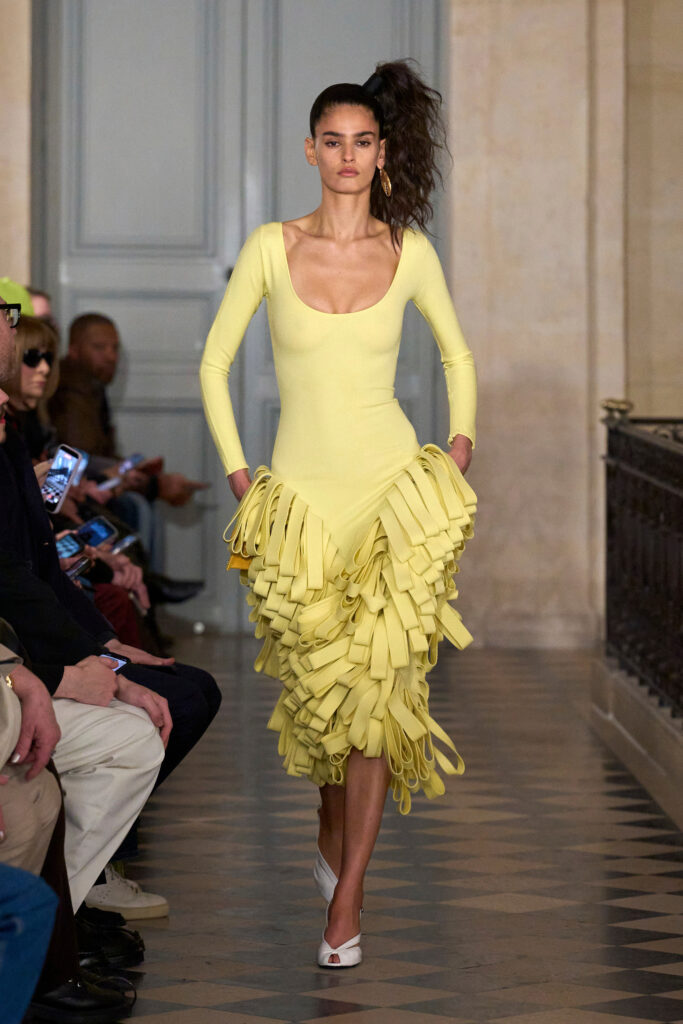
Jacquemus chose fun, loudly and unapologetically. Mining ’80s excess, Simon Porte Jacquemus served sculptural silhouettes, exaggerated proportions, and playful references that bordered on costume but never lost charm. The menswear leaned more confidently than the womenswear, especially in tailoring that twisted tuxedo conventions and embraced bold color. The show leaned into humor, nostalgia, and spectacle, reinforcing Jacquemus’s belief that fashion does not always need to behave, sometimes it just needs to enjoy itself.
CELINE
Michael Rider’s Fall/Winter 2026 collection for Celine quietly sharpened the brand’s menswear identity. Focused on clothes that feel lived-in rather than styled, the collection refreshed classic pieces with subtle tweaks: slightly altered proportions, unexpected textures, and a softened retro edge. From belted coats and boxy blazers to stacks of denim and knitwear, everything felt intentional but easy. Rider’s idea of “classics with bite” landed as understated confidence, the kind that does not need a runway moment to feel relevant.
ALSO READ: RUNWAY RECAP: ALL THE HIGHLIGHTS FROM MILAN MEN’S FASHION WEEK FALL/WINTER 2026.