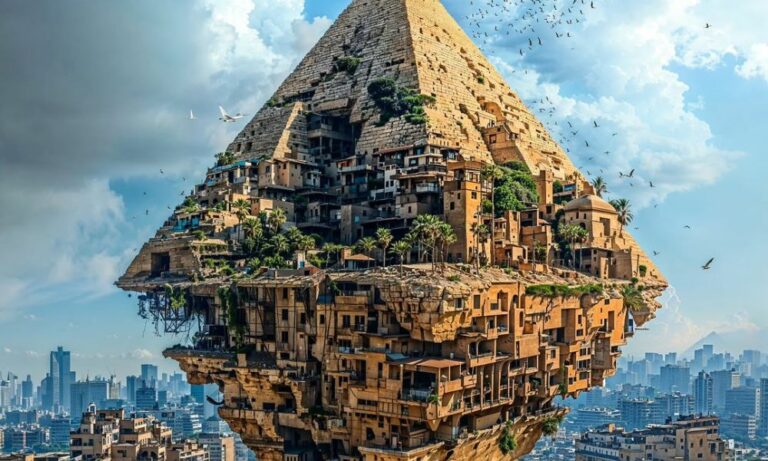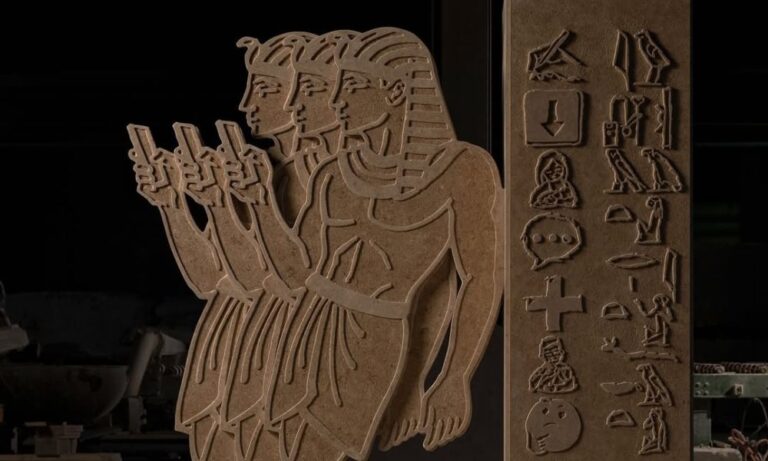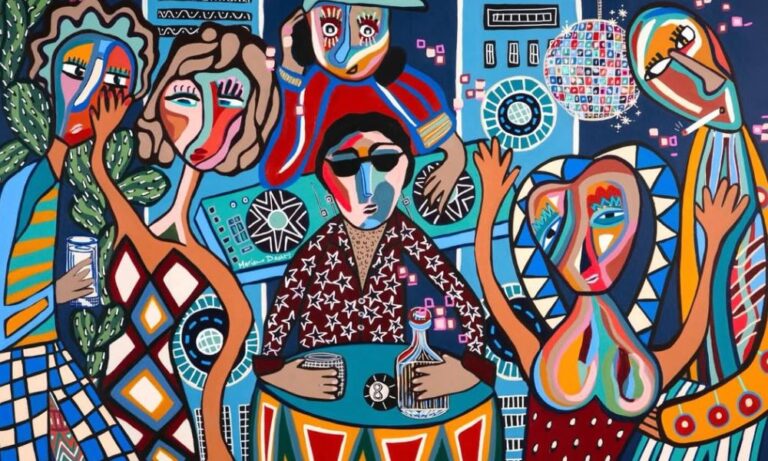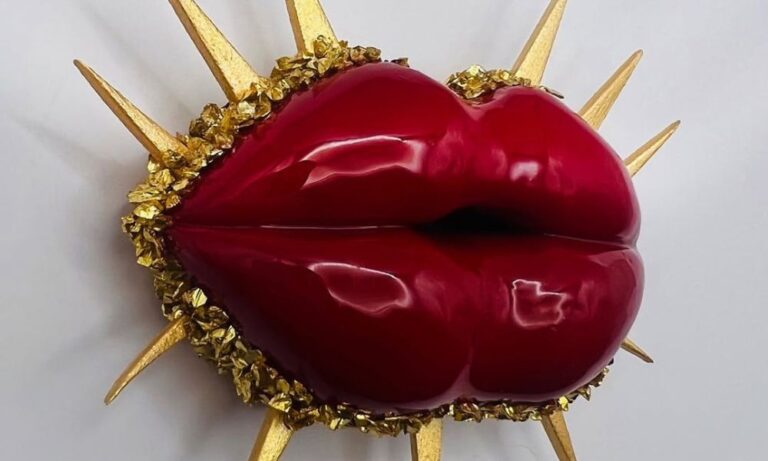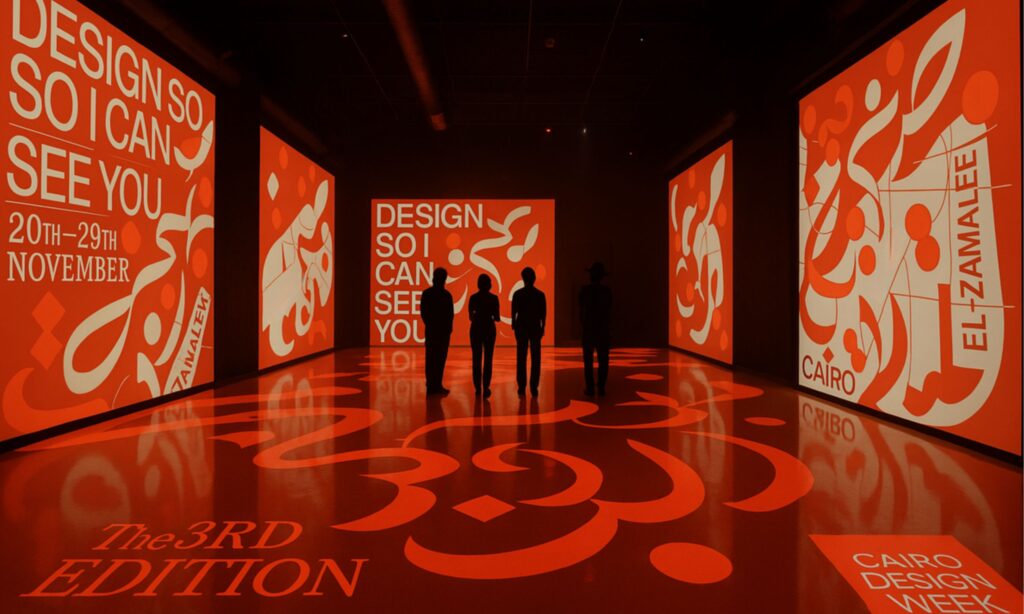
Cairo Design Week returned in 2025 with a renewed confidence that could be felt across the city. For ten days, Cairo’s most storied districts became sites of inquiry and imagination, where designers, artists, and institutions explored how memory, material, and place shape the language of contemporary design. The event encouraged visitors to slow down, to look closely, and to consider how heritage continues to inform modern creative practice. Buildings that have long witnessed the city’s cultural shifts were reactivated as spaces for dialogue, each offering its own reading of Cairo’s evolving identity. Rather than relying on scale or spectacle, CDW25 presented a thoughtful portrait of a city examining its past while looking firmly toward the future.
Scroll down to discover the most notable installations, exhibitions, and experiences across Heliopolis, Zamalek, and Downtown, highlighting the moments that defined this year’s edition.
HELIOPOLIS DISTRICT
FASHION DESIGN DISTRICT AT GHURNATA PALACE
The Fashion Design District’s move to Ghurnata Palace marked one of this year’s defining moments. Curated by Maison Pyramide and stylist Mai Galal, the district presented fashion as a cultural document rather than a seasonal offering. Visitors encountered installations that highlighted craftsmanship and personal narrative, while select pieces from the Grand Egyptian Museum’s opening reinforced the ongoing connection between Egyptian heritage and contemporary creativity.
CDD BY LMD AT GHURNATA PALACE
CDD by LMD offered an expansive journey through design’s sensory dimensions. The experience opened with a meeting of fashion and gastronomy, continued with a study of Khayamiyah textile traditions, and unfolded into a sound installation, a large scale sketching room, and an intimate design cinema. The visit concluded with a reflective moment that allowed guests to consider the progression of ideas presented throughout the palace.
KAHHAL 1871 AND MARMONIL AT HELIOPOLIS HQ
At Heliopolis HQ, the exhibition titled Brush It Under the Rug explored the emotional terrain that often underlies creative work. Seven designers translated vulnerability, cultural duality, internal pressure, and resilience into handwoven rugs crafted with the Kahhal 1871 atelier. The result was a deeply personal collection that viewed honesty as a dynamic force in design.
ZAMALEK DISTRICT
AISHA FAHMY PALACE: LIMINAL EXPERIENCE
The Liminal exhibition transformed the historic Aisha Fahmy Palace into a study of memory and place. The journey began with a shell inspired pavilion that reflected centuries of cultural exchange along the Nile. Additional installations, including a felucca anchored within the garden and glass structures shaped to echo shifting riverbanks, bridged the surrounding landscape with the palace’s interiors. Botanical interventions threaded through the architecture, reinforcing Zamalek’s relationship to its natural environment.
QATARI DIAR PAVILION: PEARLS REIMAGINED
Qatari Diar introduced an installation centered on the symbolism of the pearl as a vessel of memory and exchange. The pavilion’s layered and translucent structure captured light in a way that suggested movement and continuity, while its form referenced the journeys that have long connected Egypt to the wider region.
DR. GREICHE: WHEN THE NILE TAKES SHAPE
Dr. Greiche presented an installation that used glass and stone to evoke the gentle rhythm of the Nile. The composition of rising translucent planes created a meditative environment that highlighted the technical and artistic possibilities of working with glass on a sculptural scale.
KOOK: STORIES START HERE
Within one of the palace’s historically significant rooms, KOOK introduced the Amber kitchen, a contemporary interpretation of spaces traditionally meant for gathering and cultural exchange. Warm resin surfaces, metal details, and carefully selected objects created an atmosphere that honored the room’s past while offering a modern expression of intimacy and communal life.
SHEWEKAR: SANDOUQ EL DONIA
Shewekar reimagined her Zamalek showroom as a series of thematic rooms inspired by mechanical storytelling boxes once used in Egyptian folk culture. House of Mirrors, Theatre, Shadow Play, and Carousel each examined a different facet of narrative and heritage, resulting in an experience that blended design with playful cultural memory.
SAMIHA’S LIVING SALON AT THE GREATER CAIRO LIBRARY
The Greater Cairo Library opened with the debut of Samiha’s Living Salon. The former palace, once owned by Samiha, daughter of Sultan Hussein Kamel, was reinterpreted as a contemporary gathering space that encourages conversation, cultural engagement, and community building. The design preserved the character of the original interiors while introducing a program suited to present day audiences.
NUMERO CINQ: THE ARCHITECTURE OF SCENT
Numero Cinq hosted a collaboration between perfumer Mariham Habashy and interior designer Yasmina Makram. The installation examined how scent can behave as an architectural element. Visitors moved through a presentation of raw fragrance materials arranged as sculptural studies before reaching a final chamber that revealed Makram’s signature scent. The experience linked atmosphere, materiality, and olfaction into a cohesive narrative.
ISLAMIC CERAMICS MUSEUM
The Islamic Ceramics Museum offered a curated selection of contemporary and traditional Egyptian craft. The exhibition highlighted the diversity of the country’s artisanal practices and their continued relevance within modern design. Ceramics, textiles, and other handmade works were presented as living traditions shaped by both history and innovation.
DOWNTOWN DISTRICT
CAFÉ RICHE
Café Riche served as a collective platform for multiple design perspectives. Society of Play introduced a flagship concept that examined social interaction through design. Ellie created a sensory environment focused on grounding and stillness. SAM contributed a sculptural light installation rooted in rural memory. Cairopolitan presented an early preview of its Gizapolitan line, incorporating ancient motifs through a contemporary urban lens. Together, these works activated the historic building as a vibrant cultural forum.
TAMARA HAUS
Tamara Haus transformed a Renaissance Revival mansion into a House of Stories. The installation examined how design intersects with daily life through scent, craft, taste, and hospitality. Referencing the golden era of department stores and the legacy of Omar Effendi, the project offered a nuanced dialogue between nostalgia and contemporary reinterpretation.
C REALITY: THREADS OF EGYPT
Threads of Egypt presented an interior landscape shaped by the country’s regional identities. Each area was expressed through its own material and formal language. The Delta appeared through ordered grids. Alexandria through softened forms shaped by light and stone. Cairo through structural and industrial cues. Upper Egypt through textured surfaces and sculptural silhouettes informed by Talli craft. Siwa through muted earth tones and essential geometry. The installation provided a layered understanding of how geography influences design.
MAZEEJ FASHION: TWIN SERVICE
Mazeej Balad introduced Twin Service, a collaborative project by MODH and MAYKA. The designers transformed a hotel into a combined fashion and spatial installation that reflected their shared creative approach. The result resembled a large scale mood board that brought together color, movement, and narrative to create a unified statement.